
Here’s what OpenAI’s Disney deal means for Hollywood.
Photo: Lucasfilm Ltd.
This story has been updated with new reporting.
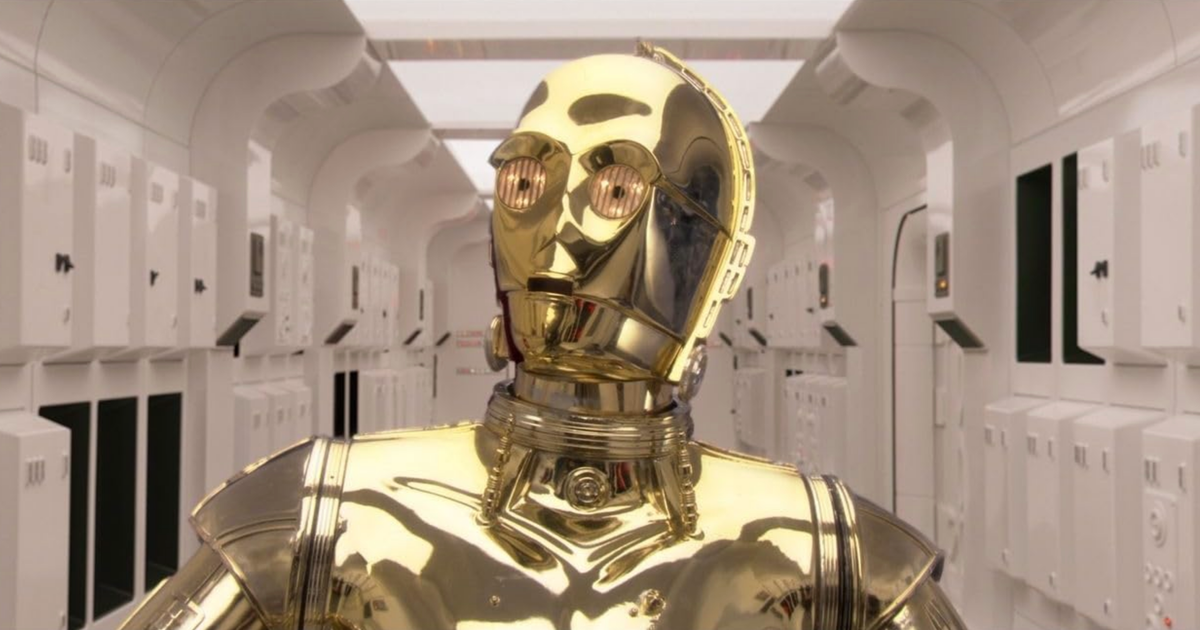
May the Force be with Sora, because the app is getting all the crown jewels of Star Wars, Marvel, and Disney. In a new deal, the Mouse has agreed to invest $1 billion in OpenAI in exchange for a three-year license to its intellectual property that would allow Sora users to make videos with Disney-owned characters, as well as proprietary models for stuff like the X-Wing and the Death Star.
Under the terms of the deal, more than 200 characters will be unleashed onto Sora from the Marvel, Star Wars, and Disney vaults, and a feed of Sora-generated videos will be added to Disney+. Additionally, the companies said, Disney will become a “major customer of OpenAI,” meaning all Disney employees will get access to ChatGPT, and that it will use the tech company’s APIs to create its own new “products, tools, and experiences, including for Disney+.” (Disclosure: Vulture and New York Magazine are owned by Vox Media, which has its own “strategic content and product partnership” with OpenAI.)
The move will shake the ground in Hollywood thanks to what it indicates for IP holders like Disney. It’s a major entertainment company choosing to play ball instead of fighting over the rules of the game. Disney undoubtedly looked at it as an opportunity to control its AI future — rather than see unauthorized versions of its IP run amuck online and issue takedown notices or fight lawsuits ad infinitum, as it has done against another AI player, Midjourney. Part of CEO Bob Iger & Co.’s calculus is probably that a presence on Sora will amount to organic marketing for its characters for a generation to come, some content restrictions aside. The agreement doesn’t include the use of talent voices and likenesses and will enforce “robust controls to prevent the generation of illegal or harmful content, to respect the rights of content owners in relation to the outputs of models.”
Will that be enough for the AI doomers and Disney creatives out there? Probably not. “It’s pretty baffling,” says Danny Lin, a storyboard artist for Disney and the president of the Animation Guild, for a brand known to be aggressively protective of its characters to hand them off to a third-party AI tool. The guild later expressed concerns with the deal on social media. “It feels like Disney throwing in the towel, rather than competing with these tech companies,” Lin tells Vulture. She adds: “Our members, the artists, technicians, and animators who created these iconic characters, are not being included in the conversation in terms of licensing compensation.”
You don’t have to go far on Bluesky or X to find the critics among those same animation professionals, either. The Writers Guild of America put out a statement of its own denouncing the move: “Disney’s announcement with OpenAI appears to sanction its theft of our work and cedes the value of what we create to a tech company that has built its business off our backs.” Beyond the predictable backlash, however, the deal raises several questions about the possible future it may portend for Hollywood and its relationship to AI.
➼ Will other entertainment companies make similar deals, now that Disney has forged this new partnership? How long will it be before IPs like Harry Potter, Bluey, Barbie, Shrek, and more are officially added to the Sora library? And it’s notable that Disney chose to invest and partner with OpenAI — raising the ascendant tech company’s value further — rather than extract a simpler licensing fee. Would a Netflix or Paramount (one of them fresh off a Warners acquisition, perhaps) make a similar bet? It may have been a surprise in 2023 when OpenAI first started making content deals with news publishers, but in 2024, the company struck 11 such deals. This could very well kick off a similar wave.
➼ Are Sora and OpenAI making a play for Hollywood? Sam Altman wouldn’t be the first tech mogul to try to shake up Tinseltown with a radical new product or business model, and a Disney partnership feels like a major inroad. And what could that mean for Hollywood production? If Sora can generate look-alike renderings, drawings, or sets, what will that do to the livelihoods of tens of thousands of employees?
➼ Will the bet on Sora — which feels a lot like a play for Gen Z and Gen Alpha — actually pay off? Lin pointed out that the restrictions Disney and OpenAI will have to impose on the use of its characters will be strict, possibly strict enough that they’d be a turnoff for their target audience. “They’ve spoken about having these kinds of safeguards that will prevent any sort of disturbing or terms-of-service-violating content from being made,” she says. “But to me, that limits sort of what the novelty of this technology was about in the first place. If you can only generate things that are company approved, I don’t see what the purpose of investing in this technology is.”