
Just as loneliness sends Carol to her very lowest, an unlikely ally joins her cause.
Photo: Copyrighted
The fourth panel in Matt Bors’s comic “Mister Gotcha” has become a go-to meme in political culture since it was published in September 2016. The gist is that the smug dork of the title pops up to point out the supposed hypocrisy of those who, say, express their misgivings about Apple’s labor practices on an iPhone or own a car despite calling for seat belts. The final panel features a medieval peasant saying, “We should improve society somewhat,” as Mister Gotcha pops out of a well, saying, “Yet you participate in society! Curious! I am very intelligent.”
That meme sprang to mind during this exceptional episode of “Pluribus,” which ends with Carol finally conceding to her long stand-off with the Others, who had been keeping their distance from her in the wake of the grenade explosion and her subsequent effort to pry the truth about reversing the “joining” out of Zosia. What we have witnessed from Carol so far in the show is her fervent and steadfast rejection of the Others on mankind’s behalf. (And on her partner Helen’s behalf, too, given that Helen’s conscience has been absorbed by the collective while her body has been buried in the backyard.) It has not been an easy path for Carol to say the least: Not only has she mostly turned down the make-a-wish indulgences embraced by Diabaté, she has also alienated herself from the dozen other souls on the planet who’ve proven immune to the alien virus. The cost is steep.
Yet she participates in this society, despite her desire to improve it somewhat. She wants to cook for herself, so she accepts the spectacle of an entire grocery store restocked for her exclusive benefit. She wants to keep hungry wolves from invading her yard, so a drone is summoned to haul her trash away. And in this episode, she stops for gas in the middle of the desert between Las Vegas and Albuquerque, so she calls up the Others’ answering service and gets “Pump One” turned on. Down that same slippery slope, she goes ahead and summons an “ice cold” red Gatorade, only to complain that they screwed up her order. (“I didn’t say tepid. I didn’t say lukewarm. I didn’t even say cold. I said ice cold. Do better next time.”) Her pettiness and contempt over the Gatorade will surely leave a dent, right?
The trouble is that the Others already have her on the line, which this episode emphasizes with heartbreaking clarity. She had recognized right away, for example, that Zosia looks like the woman she originally had in mind for her fantasy novels and that she’s damnably attractive. Carol had scolded Diabaté about John Cena not being John Cena, but she treats Zosia differently than John Cena, even though Zosia is and isn’t John Cena, too. The Others have offered Zosia as a devastatingly effective long-term play to win Carol over, and the plan works because they’re a composite of humanity itself. Strike that: They’re an optimization of humanity, each the most intelligent and compassionate person possible. How could Carol be expected to resist that, especially given her profound loneliness? She participates in the society that they’ve radically reordered.
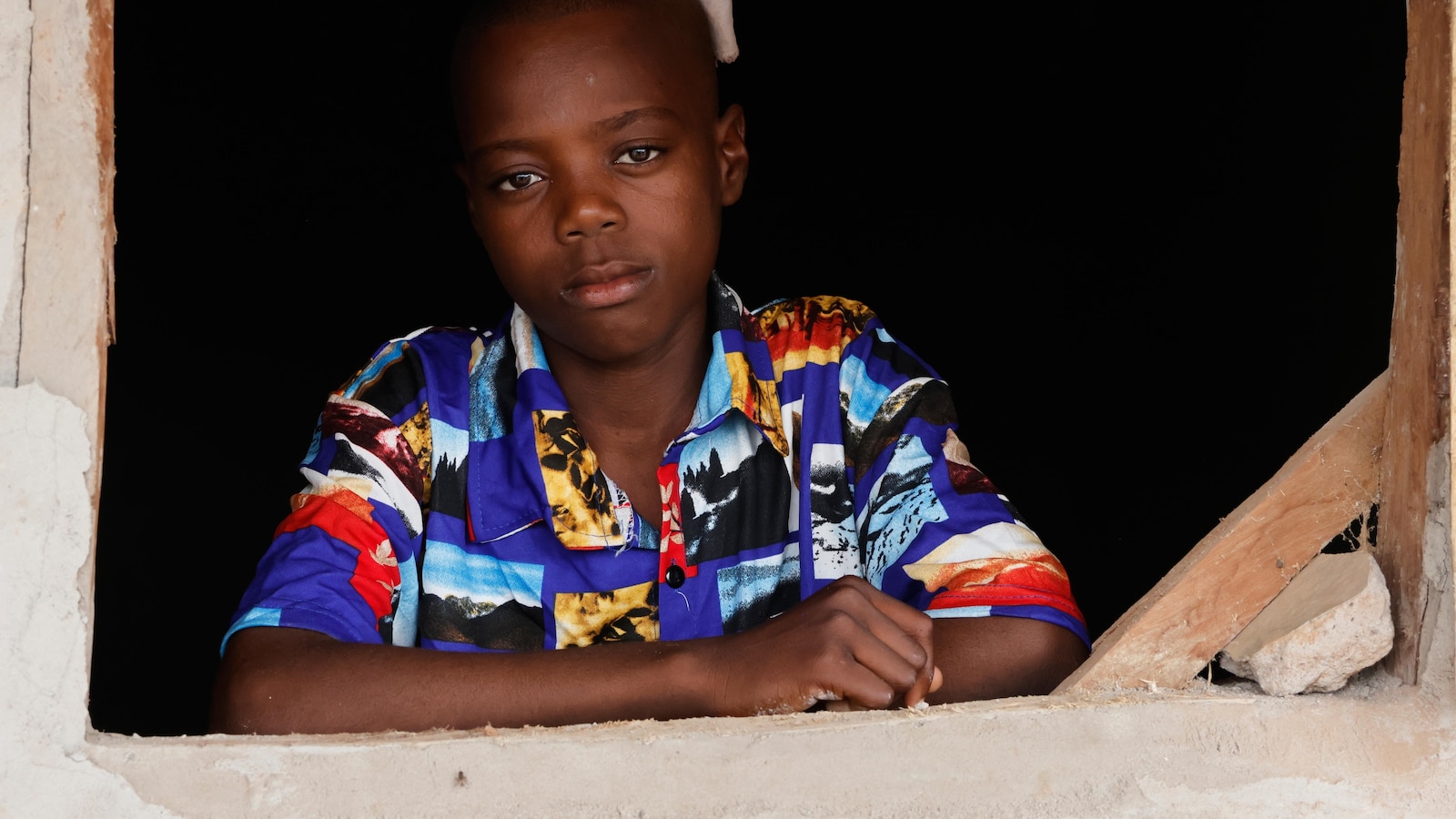
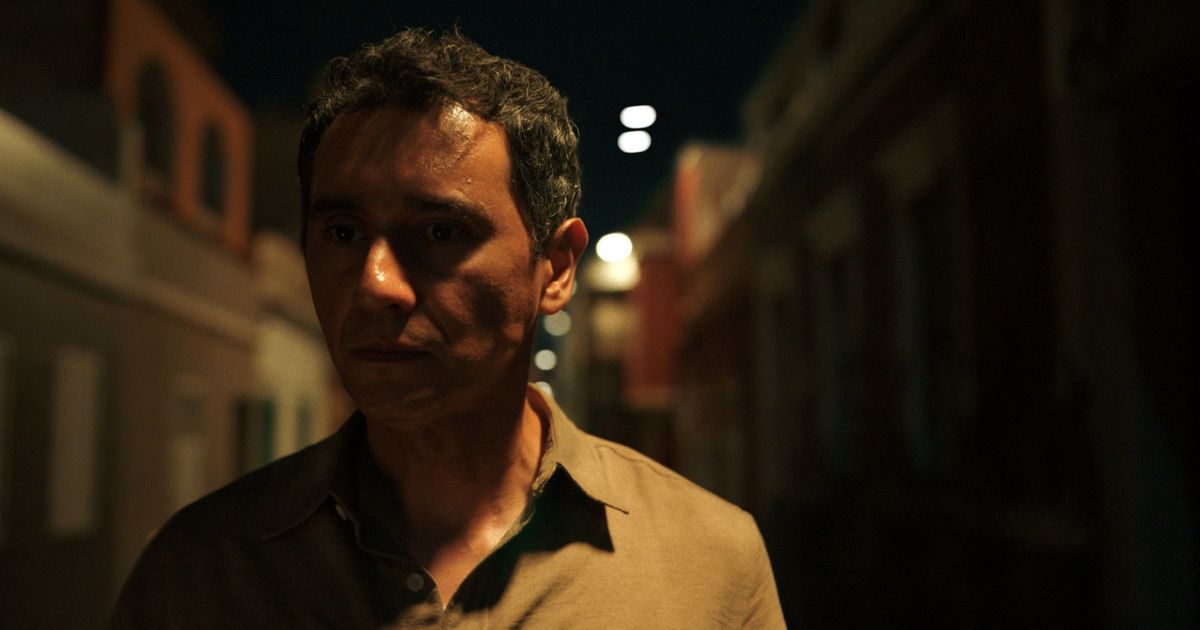
Manousos does not, at least not yet. With a masterful sense of symmetry, Pluribus juxtaposes Carol’s lonely days in Albuquerque with a leg of Manousos’s arduous journey from Paraguay to New Mexico, in which he refuses the Others’ attempted interventions at every turn. Carol goes golfing. Carol has a day at the hot springs. (Better Call Saul will pour one out for Werner Ziegler on that one.) Carol treats herself to an evening out. She even trades out her busted squad car for a fully loaded Rolls-Royce at the country club. Manousos has never allowed for any intervention from the Others, as evidenced by the canned goods that grew successively more disgusting as he was holed up in the storage facility. Now he’s putting himself at even greater risk, and nothing has changed.
There’s some symbolic value to the fact that Manousos turns down water, recalling the moment when Carol poured the Aquafina in her backyard, despite assurances from the collective about the who, when, and where of it was bottled. Maybe this is the beginning of Manousos’s own contamination of sorts, but he’s still determined to hold out as long as physically possible. As he sputters his way north through the staggering South American topography, occasionally passing through villagers where residents greet him in a vaguely creepy chorus, Manousos doesn’t ask the Others to turn out Pump One at the gas station. He hauls around a can and siphons gas where he can find it, leaving cash under each windowpane. The human race has been almost entirely conquered, but through gestures like this one, he’s touchingly committed to keeping civilization alive.
Carol has no idea Manousos is coming, but she could not imagine a more committed disciple, especially given how thoroughly the other immune survivors have rejected her. As Manousos slowly closes the gap between them, he’s working to bridge the communication barrier, too, teaching himself English through cassette tapes and constant repetition. (Crossing my fingers that “To whom do the coats belong? The coats belong to them” comes up in casual conversation at some point.) But it’s his walk through the Darién Gap where his integrity and devotion are most striking. The show has been as sparing in its scenes with Manousos as he’s been in interacting with them, which makes it all the more powerful when they try to talk him out of the dangerous 100-kilometer hike.
“Nothing on this planet is yours,” he tells the Others. “Nothing. You cannot give me anything, because all that you have is stolen. You don’t belong here.” There’s a particular poignance to Manousos giving this speech — an honest-to-goodness monologue by his standards — at the Darién Gap, amid the detritus of migrants who have shed their belongings to take this path from South to Central America. He is aligning himself with human beings at their most desperate and determined, and he refuses to take the easy way out. It seems inevitable that the Others’ warnings about obstacles like the Chunga palm will finally bring him to heel against his will, but his Inigo Montoya–esque refrain throughout the trek stands out: “My name is Manuosos Oviedo. I am not one of them. I wish to save the world.”
Meanwhile, our beloved world saver has raised the white flag. In retrospect, the Others’ wanting “a little space” from Carol seems like a ploy rather than some more genuine rejection of her behavior. Being alone is hard. And as much as Carol likes to challenge and rebel against Zosia and the Others, that tension is a form of companionship, and its absence has clearly exacted a huge emotional toll on her. Presuming that she finally meets with poor Manuosos face-to-face, it remains to be seen whether she’ll be emboldened by a new (and thus far, only) ally or weakened by compromise. She may or may not be capable of saving humankind, but her vulnerability and need at the end of this episode makes her achingly human.
• What is the apocalypse but a chance to sing to yourself in the largest shower in the universe? The playlist of singles Carol belts out here makes a fine substitute for dialogue.
• Another small echo between Carol and Manousos: When he siphons gas, he leaves a bill under a windshield wiper. When she’s at the gas station, she throws a coin into the “take a penny, leave a penny” tray.
• Note the effective use of the time stamps in this episode. It has taken Carol less than 12d 20h 42m 53s to develop an emotional attachment to Zosia. She spends over a month (48d 16h 57m 13s) alone before calling on the Others to come back.
• Breaking Bad fans will note the return of the Georgia O’Keeffe Museum in Santa Fe, which helped cement the relationship between Jesse (Aaron Paul) and his girlfriend, Jane (Krysten Ritter). Jesse and Jane discuss the “My Last Door series,” in which O’Keeffe painted multiple abstract renderings of a black door in her home over and over again. Carol’s favorite, Bella Donna, does not carry the same dark portents. It’s just really pretty and looks great on her wall.
• To get personal for a second, my family had an old player piano that was my favorite toy as a kid. Before I could even read, I knew exactly which roll in which box would play, say, “The Entertainer” or “Tie a Yellow Ribbon Round the Ole Oak Tree.” Watching those rolls bring the keys to life was like a magic trick, whereas seeing that old analog machine replaced by an tablet triggering “I Will Survive” is bleak stuff.
• In the time between these recaps, please remember to stay hydrated, folks.