
Some of the most brutal parts of Alexandria Stapleton’s new four-part Netflix documentary Sean Combs: The Reckoning have little to do with the music mogul’s misdeeds — his alleged physical and sexual assaults, among other purported shady business dealings and connections to deaths. The worst parts, however, are the most anodyne: clips of Combs on talk shows (Ellen, Rosie), in commercials, or at awards shows, feigning a kind of amiability that many of those closest to him never experienced beyond their initial meeting. What’s harrowing to realize more than a year after his initial arrest is that Combs was everywhere. He was enmeshed in just about every facet of culture in a way that made it increasingly difficult to hold him responsible. Part of what Stapleton’s series excels at is showing that the money Combs made from his various appearances and products and clients was enough to buy his public innocence — until it wasn’t.
In the music mogul’s trial, he was acquitted of sex trafficking and racketeering but found guilty on two counts of prostitution-related offenses under the Mann Act, resulting in him being sentenced to 50 months in prison. But per the series’s title, who should be reckoning with Combs’s behavior? Is there a kind of public culpability that ought to be acknowledged? While most of The Reckoning goes over longtime information surrounding the case, the vast portrait it paints is of a man for whom everything was never enough. Here are five of the biggest takeaways.
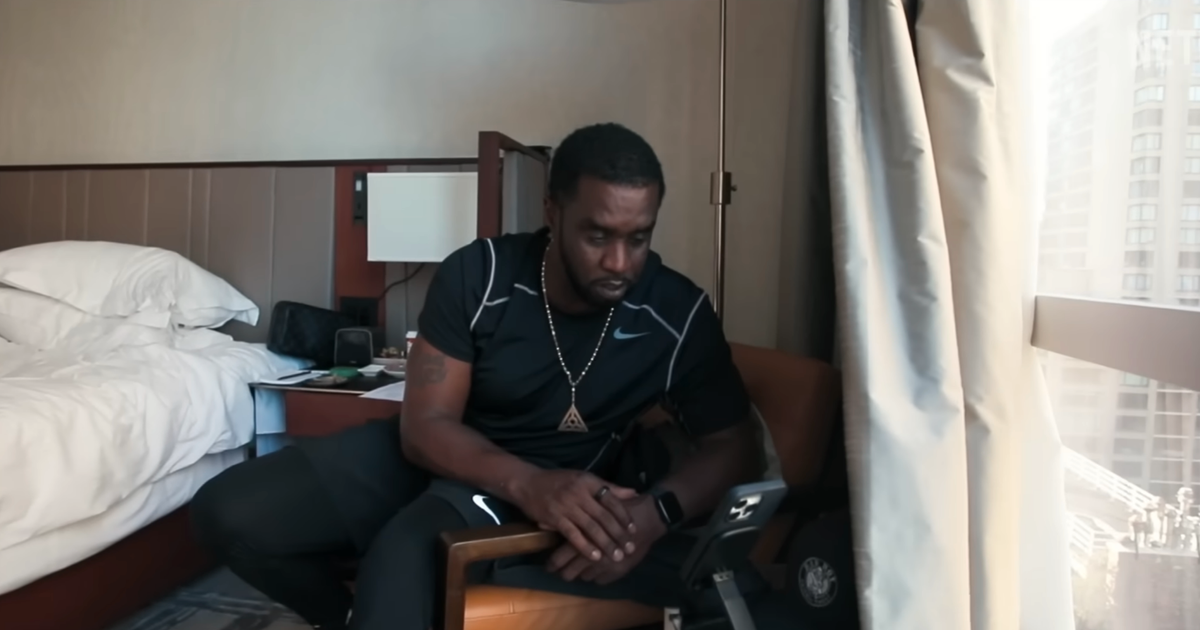
In September 2024, Combs hired a videographer to take some footage ahead of his arrest. These scenes include Combs berating lawyer Marc Agnifilo on the phone ahead of his arrest for their strategy “not working,” getting dressed, and biking through Manhattan. A spokesperson for Combs alleged that this footage was “stolen” ahead of the film’s release, but Netflix and Stapleton have said otherwise. “It came to us, we obtained the footage legally and have the necessary rights. We moved heaven and earth to keep the filmmaker’s identity confidential. One thing about Sean Combs is that he’s always filming himself, and it’s been an obsession throughout the decades,” Stapleton told Tudum.
That kind of outsize reaction from Combs’s team suggests that the somewhat dull footage is significant in some way. Salacious? Revealing? Ultimately, it’s not much of either. If it’s true that Combs spent much of his life being filmed, then he knows exactly how much of himself to reveal when he’s on camera. His conversations with Agnifilo are most telling because it feels like he knows he’s at the end of the line.
If there’s anything even remotely “lighthearted” about Sean Combs: The Reckoning, it’s listening to former Bad Boy associates and clients reflect on Combs’s desire to be a rapper himself without having any natural talent for it. “Can you talk about his skills as a rapper?” Stapleton asks “Bad Boy for Life” rapper Mark Curry. “Sucks,” he answers concisely. R&B artist Al B. Sure! reiterates this right after, saying: “[Combs] has zero talent musically. Nothing. He don’t know nothing about R&B. None of that stuff.” Curry explains his reasoning a little further by sharing memories of their time together in the recording studio. “He used to ask me to always be there in the sessions because I would tell the truth,” Curry says. “I’d be like, ‘That’s not it. That sucked. It doesn’t sound good, and it makes no sense.’”
In the second episode, “What Goes Up Must Come Down,” a significant amount of time is spent breaking down the deaths of both Tupac and Biggie Smalls and discussing whether Combs had involvement, direct or otherwise. Former LAPD detective Greg Kading, who was on the task force to investigate Shakur’s death, details how and why it’s been so difficult to nail down one responsible party for the murder.
“Gang crimes are often difficult to solve because you don’t get cooperating witnesses,” he says. Kading, however, had long conversations with Duane Keith Davis, also known as Keffe D, who has been charged with Shakur’s death. Davis alleged he’d spoken to Combs multiple times, including on one occasion where Combs apparently said he’d give “anything” for “those dudes’ heads,” referring to Shakur and Suge Knight. Combs has never been charged with anything in connection with Shakur’s death, and Davis now alleges the proffer conversation he had with the LAPD was under duress, inviting doubt into the little we know about this case.
In May 2025, Combs was acquitted of two charges and found guilty of two others, and it appears as though members of this jury — including two who spoke to Stapleton for the series — are still unsure of how they feel about the mogul and his actions. “I know the jury didn’t believe anything that day,” former Combs employee Capricorn Clark argues. “It’s hard to believe,” one of the jurors corroborates. Another juror alleges that a lot of members of the jury took a liking to Combs. “They were starstruck,” Clark says. One of the jurors adds that because many of these events took place so long ago, the jury started to doubt key witnesses like Clark and Cassie Ventura. It’s a harrowing and frustrating part of the viewing experience, difficult to balance with the obvious trauma that Clark relives in recounting her time at the trial, but it gets at how and why the decisions that were made happened.
Curtis Jackson, otherwise known as 50 Cent, pops up in the credits of every single episode. “If I didn’t say anything, you would interpret it as hip-hop is fine with his behaviors,” he told ABC News ahead of the series’s release. Jackson and Combs, however, have been feuding since 2006, when the former alleged the latter had a role in Biggie Smalls’s death. In October 2024, Jackson said he’s been fighting this fight against Combs for a decade. To see his name on the credits as an executive producer of the project goes to show how the world finally caught up.