The Dark Side of South Africa’s Electric Minibus Taxi Revolution
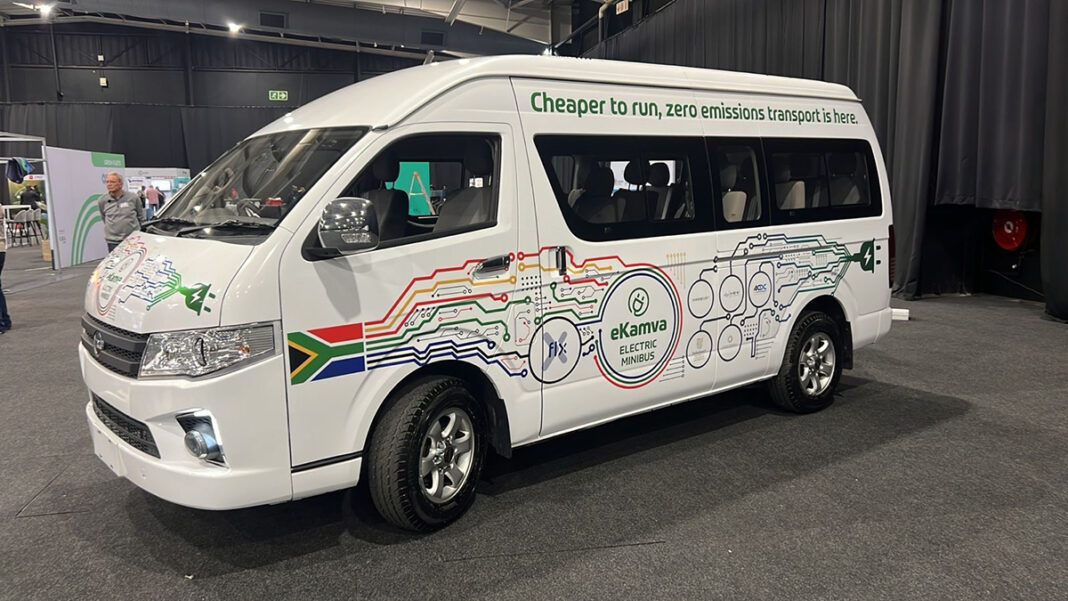
In a shocking turn of events, a consortium led by GoMetro has launched South Africa’s first electric minibus taxi, the eKamva. But is this innovative solution a blessing or a curse for the country’s struggling taxi industry?
While the eKamva boasts a range of 200km and cost savings of up to 70% compared to traditional vehicles, critics argue that it’s just a Band-Aid solution for a industry plagued by corruption, crime, and poor working conditions.
GoMetro CEO Justin Coetzee claims that the eKamva is the future of minibus taxis, but opponents say it’s just a way for the company to cash in on government incentives and subsidies. "It’s all about lining their pockets with taxpayer money," said one taxi operator who wished to remain anonymous.
Moreover, the eKamva’s reliance on leasing batteries and charging infrastructure has raised concerns about the true cost of ownership. "It’s like renting a car, but without the freedom to drive wherever you want," said another frustrated taxi owner.
But GoMetro is undeterred, touting the benefits of its electric minibus taxi as a game-changer for the industry. "We’re not just building a vehicle, we’re building a movement," said Coetzee.
However, some experts question whether the eKamva is truly a game-changer or just a flash in the pan. "It’s a niche product that will only appeal to a select few," said one industry analyst. "The majority of taxi operators will stick with what they know and love: diesel-powered vehicles."
Despite the controversy, GoMetro is pushing forward with its plans to roll out the eKamva across the country. But with the taxi industry already on shaky ground, it’s unclear whether this electric revolution will be a blessing or a curse for South Africa’s commuters.