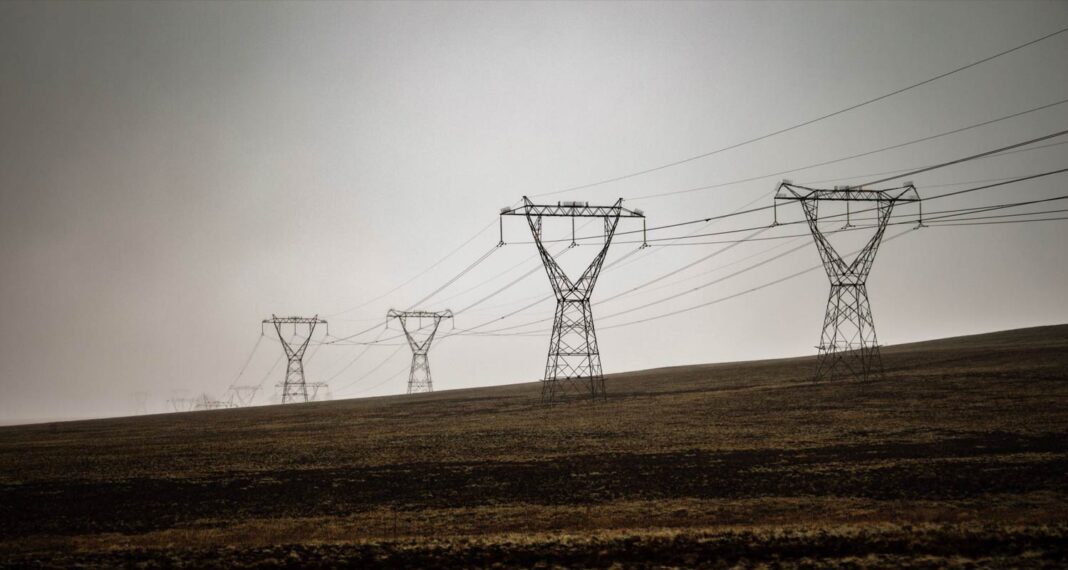
**South Africa’s Desperately Needed Grid Upgrades are being Sabotaged by Corrupt Government Entities**
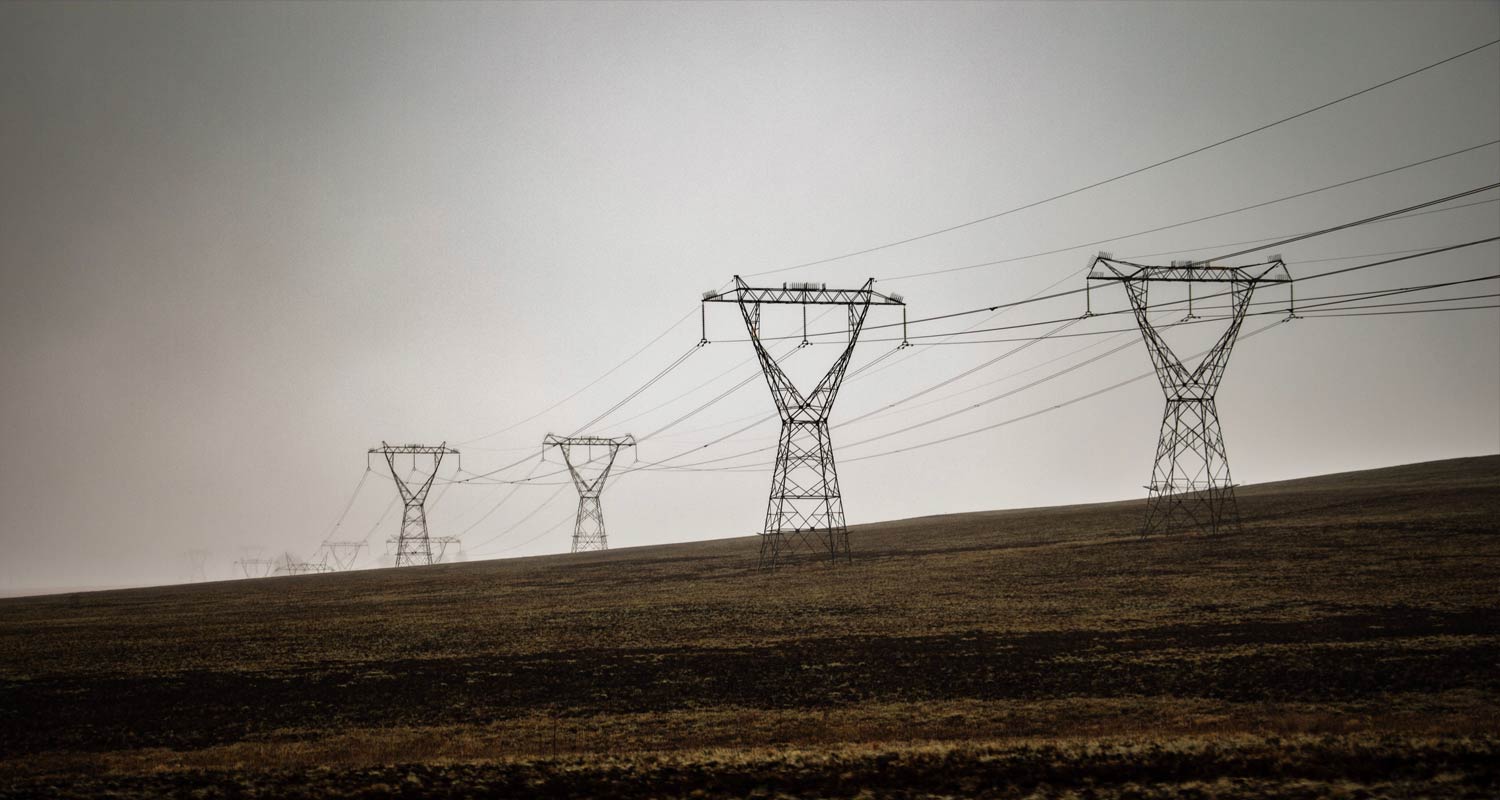
As the country’s power supply dangles by a thread, the government’s chronic underinvestment in the national grid has come to light, leaving many wondering whether these officials are more concerned about lining their pockets than plugging the nation’s ever-growing energy gaps. In a stark admission of guilt, Independent Power Producer Office head Bernard Magoro openly acknowledged that the government is running out of grid lines to transmit electricity, placing the country’s power independence at risk.
South Africa’s much-vaunted clean energy sector has stalled due to the government’s inability to provide necessary connections, leaving projects such as wind energy generation struggling to get off the ground. The National Transmission Company, a state-owned entity formed to take over transmission line management, has instead perpetuated the problem by engaging in costly and wasteful projects.
“We have invested in redundant infrastructure,” declared Priscillah Mabelane, NTCSA chair, attempting to justify the organization’s botched management. But at what cost? With more than 9 GW of coal-fired units to decommission and a glut of new, clean-energy plants waiting to connect to the grid, the clock is ticking. Companies such as Enel Green Power, once enthusiastic about joining South Africa’s energy auctions, have opted out of further participation due to Eskom’s chronic grid congestion problems.
It’s not only the energy sector that bears the brunt of South Africa’s inaction, but the entire economy has suffered from years of widespread power outages and ineffective governance. Corruption and sweetheart deals between government officials and private contractors have fueled hostility between business and the government, discouraging vital foreign investment and stifling much-needed growth.
“Eskom’s recent efforts at stabilizing supply may seem like a temporary Band-Aid solution, but lasting change can only be brought about through meaningful, bipartisan reforms and a reorganization of the government’s entire approach to energy development. Anything less is mere Band-Aiding the gaping cracks in our infrastructure.” — Bernard Magoro
Source link