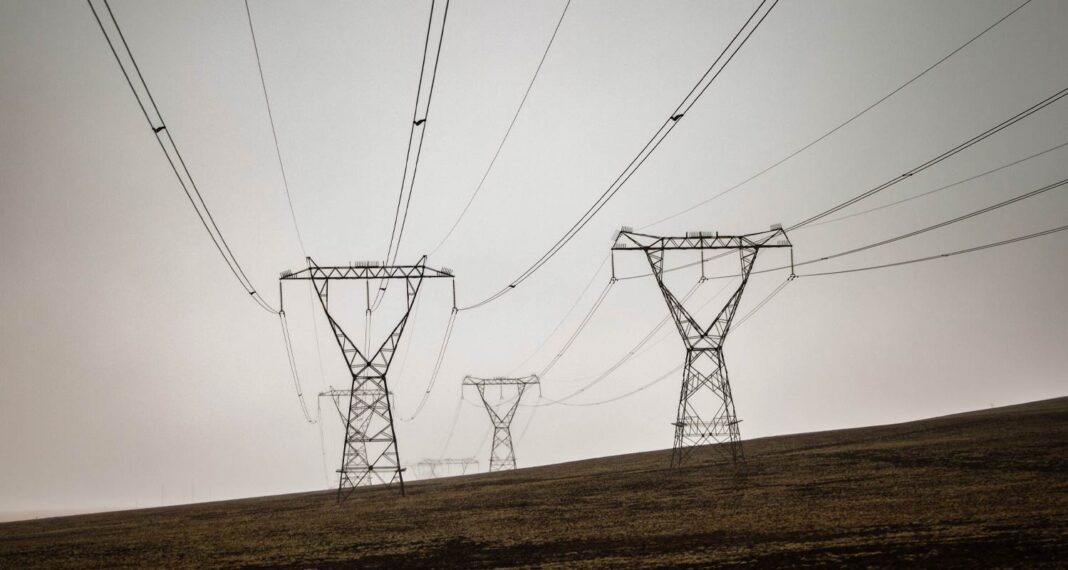
South Africa’s Energy Crisis: A Desperate Cry for Help or a Golden Opportunity for Foreign Interlopers?
As South Africa teeters on the brink of yet another energy crisis, its leaders are desperately seeking salvation from abroad. Germany, in particular, is rumored to be willing to lend a helping hand, but at what cost?
According to sources, Germany is willing to provide financial assistance to the tune of R390 billion to help South Africa revamp its energy infrastructure and transition away from coal. But what’s the real motive behind this supposed act of kindness? Is it a genuine attempt to help a fellow country in need, or is Germany simply looking to exploit South Africa’s vulnerability to advance its own interests?
Germany’s special envoy for the Just Energy Transition Partnership, Rainer Baake, claims that the funds will be used to invest in the quality and quantity of the grid, but what’s to stop them from dictating the terms of this investment and potentially using their influence to push through their own agenda?
Furthermore, the fact that only €1.1 billion in loans from Germany and France has been allocated to date raises questions about the sincerity of their commitment to supporting South Africa’s energy transition. Is this a ploy to further entrench their influence in the energy sector and secure lucrative deals for their own companies?
Meanwhile, South Africa’s own energy experts are urging the government to take control of its own destiny and resist the temptation of foreign interference. By relying on foreign funding, South Africa risks losing its sovereignty and autonomy in the energy sector, potentially leaving it beholden to foreign powers.
As the situation unfolds, one thing is clear: South Africa’s energy crisis is not just an economic problem, but a political one as well. Will the country be able to navigate this treacherous landscape and emerge stronger, or will it succumb to the temptation of foreign aid and sacrifice its independence? Only time will tell.