The Space Industry’s Dirty Little Secret: How a Rogue Startup is Disrupting the Status Quo
The space industry is all about innovation, right? Wrong. Behind the scenes, a bloated and inefficient supply chain is holding back progress. And one startup, Gimbal Space, is about to blow the lid off this mess.
Founded by mechanical engineer Dhaval Shiyani, Gimbal is on a mission to revolutionize the production of components for rockets, satellites, and other spacecraft. And they’re not just talking about incremental improvements – they’re talking about a complete overhaul of the supply chain.
Shiyani’s background is impressive, to say the least. He’s worked with Tesla, Ethicon, and even the electric propulsion startup Apollo Fusion. But it’s his experience in the space industry that’s given him a unique perspective on the problem. "I’ve seen the same pain points over and over again," he says. "High cost, long lead times, and a general lack of innovation in the supply chain."
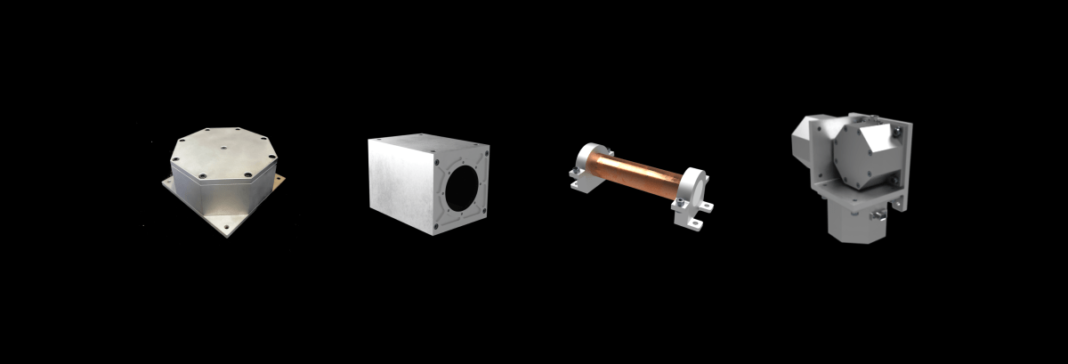
So, what’s the solution? Gimbal is starting by targeting the attitude determination and control system (ADCS), a critical component that enables spacecraft to orient themselves in space. And they’re not just building a better mousetrap – they’re building it faster and cheaper.
The company has already identified a manufacturing partner in India that can deliver reliable hardware at a fraction of the cost of legacy suppliers. And they’re not just stopping at ADCS – they plan to expand to other components of the system, like magnetometers and rate sensors.
But here’s the thing: Gimbal’s approach is not just about efficiency – it’s about disruption. They’re taking aim at the established players in the industry, who have been milking the market for years. "There’s a need and a demand that has not been satisfied through the existing providers," Shiyani says. "These components are almost always secondary revenue streams. They can pretty much charge extremely high premiums on some of these components because they can most likely get away with it."
Gimbal has raised $1.2 million to get their components in orbit and build out their manufacturing capabilities. And they’re not just talking about getting their products to market – they’re talking about revolutionizing the industry.
So, buckle up, space enthusiasts. Gimbal Space is about to shake things up in a big way.