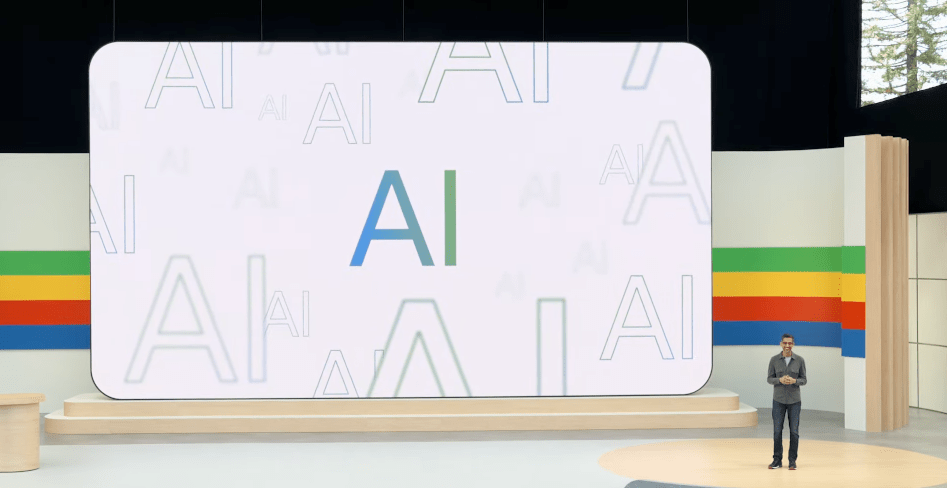
Google’s Ai Overviews: A Recipe for Disaster in India
In a glaring example of tech arrogance, Google recently rolled out its AI overviews feature in India, thinking it could deliver accurate results to the country’s digitally-savvy population. But after testing the feature, we uncovered a multitude of errors, inconsistencies, and just plain absurd answers that would embarrass even the most amateur of language platforms.
Take, for instance, their answer to "What is a substitute for sugar in tea?" which translates to "Cheeni ki jagah chai mai kya daal sakte hai?" The result showed a GIF answer, but when the words were rearranged, Google came up empty-handed. This inability to handle basic linguistic nuances betrays the company’s claims of "complex" language processing capabilities.
Even more alarming is the feature’s capacity for translating English words literally in Hindi. For example, when users asked about "What kind of food can we eat during summer?" the overview suggested "Sticky things." Yes, you read that correctly: "sticky things." This may not seem like a major oversight, but when it comes to matters related to food, nutrition, and dietary habits, such a lackadaisical approach can have serious repercussions.
And don’t even get me started on their response to questions involving menstruation and pregnancy. One might expect some degree of sensitivity in addressing such sensitive topics, but Google went ahead and provided answers that verge on being irresponsible. When asking about food to eat during menstruation, the overview suggested "Drinking milk with many things" and "Lemon for mood swings." Is this the quality of information that Google wants to export to the rest of the world?
Beyond the obvious linguistic and cultural complexities, there are more insidious flaws in the system. For instance, our testing revealed that Google’s AI overview fails to account for context, opting instead for shallow summaries that merely scratch the surface of the topic. If the user asked about food in Delhi, the AI overview would suggestBangla Sahib Gurudwara as a 24-hour eateries spot, without warning the user that the snacks are located outside the worship site.
Google vs. The People
In India, where more than 830 million users rely on the internet, the stakes couldn’t be higher. When Google announces its AI overview feature, it behooves the company to ensure a much higher level of accuracy, sensitivity, and cultural awareness. The company’s defensiveness only underscores the pressing need for better performance.
Update: Google’s Response
When questioned by TechCrunch, Google attributed these issues to their AI overview algorithms sometimes misinterpreting web content or reflecting inaccuracies on the web. The company claimed these examples would be used to improve future algorithm updates.
We say: Baloney. If Google’s AI oversight feature can’t deliver accurate answers in Hindi, then perhaps this "disappointing endeavor" wasn’t ready for primetime yet. Until they step up their game, it’s time to re-write the rules for what constitutes a robust language platform.
**Get ready for a wild ride of controversy, as we revisit the top 5 most cringeworthy examples of Google’s AI overviews disaster in India…