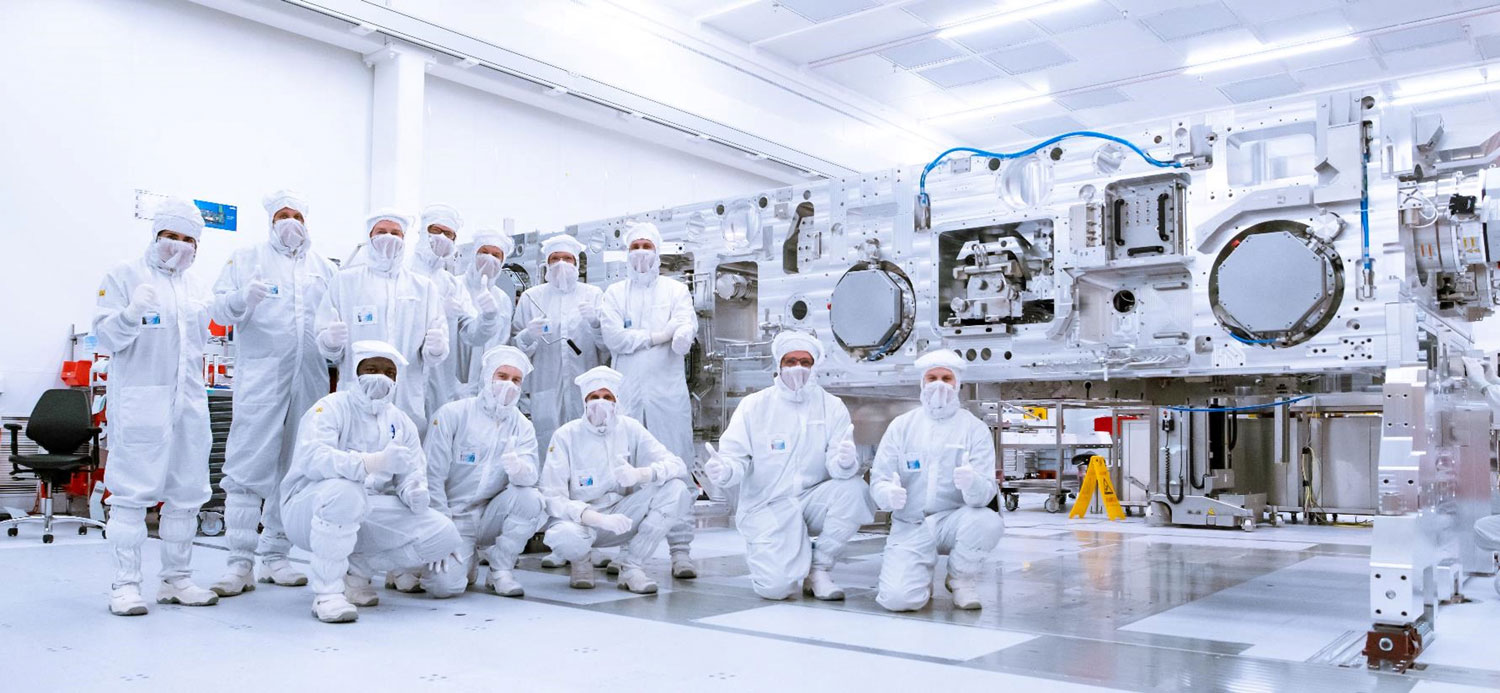


FORGET NVIDIA. Forget Taiwan’s TSMC. A DUTCH MONOPOLY you’ve NEVER heard of is the TRUE puppet master of the AI revolution—and they are holding the entire global economy HOSTAGE. ASML, a company shrouded in relative obscurity, manufactures the ONE machine on Earth capable of printing the advanced chips that power everything from your smartphone to the Pentagon’s AI war simulations. Without them, technological progress GRINDS TO A HALT.
This is not competition; this is a GLOBAL STRANGLEHOLD. ASML’s “extreme ultraviolet” machines are so complex, so proprietary, that NO NATION—not the U.S., not China—can replicate them. A single machine costs HUNDREDS OF MILLIONS and uses lasers that fire 50,000 times a second to etch circuitry smaller than a virus. The company’s market dominance is not just impressive; it’s TERRIFYING. They control a staggering 90% of the lithography market, making them the de facto gatekeeper for the future of computing, defense, and intelligence.
This monopoly has created a staggering dependency. The world’s tech giants—Apple, Google, Qualcomm—and even rival nations are forced to BEG at ASML’s door, fueling a corporate empire now valued at over HALF A TRILLION DOLLARS. Analysts whisper about “the only game in town,” but this is no game. It’s a high-stakes global crisis where one company’s production schedule can trigger worldwide shortages, skyrocketing prices for consumer electronics, and potentially decide the winner of the U.S.-China tech cold war.
The chilling reality? The entire semiconductor industry has placed a bet amounting to HUNDREDS OF BILLIONS of dollars on ASML’s roadmap. As one expert starkly warned, changing vendors now would be like “swapping a Formula One engine mid-race.” Are we really comfortable with ALL OF HUMANITY’S technological advancement resting on the output of a single factory in the Netherlands? One geopolitical incident, one catastrophic supply chain failure at ASML, and the digital world as we know it could simply FALL APART.
We have willingly handed the keys to our collective future to a corporate overlord whose power is absolute and whose failure would be unthinkable. The question is no longer about stock prices or earnings reports—it’s about whether we have just engineered our own irreplaceable point of failure. One company now stands between modern civilization and a new dark age.
Edited for Kayitsi.com

Author: Kayitsi.com