"Telecoms and Data Centres: The Great Disparity"
The tech world is abuzz with excitement over the latest innovations in 5G, virtual reality, and the Internet of Things (IoT). But behind the scenes, a stark reality remains: the vast disparities between the tech industries in the US and Africa. In a provocative and controversial article, we’re about to blow the lid off the shocking truth.
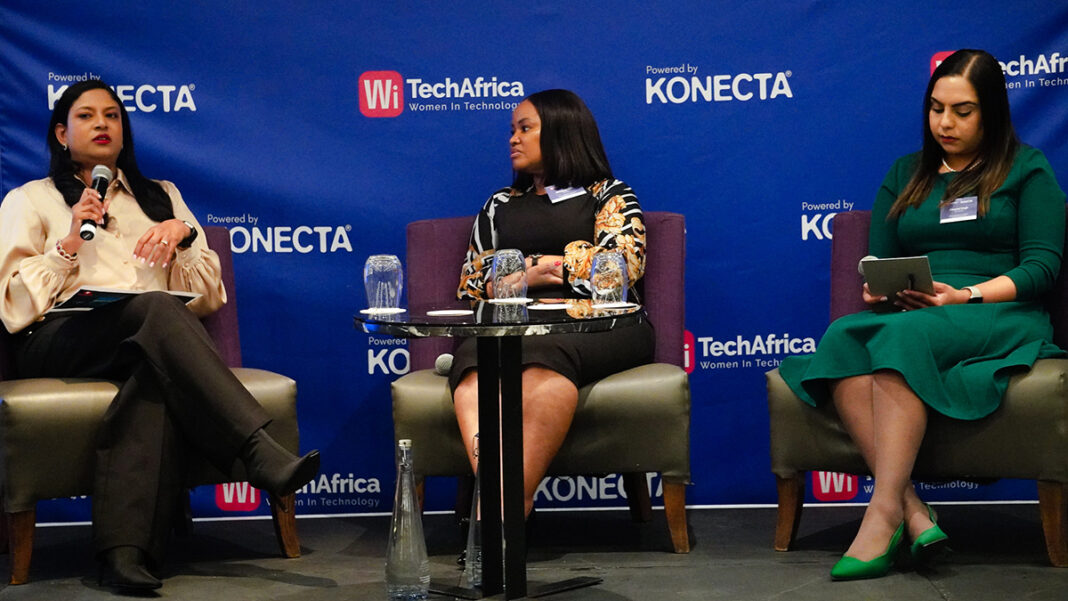
The event, WiTechAfrica: Telecommunications and Datacentre Summit 2024, was held in Sandton, South Africa, under the theme "Unlock Opportunities, Empower Women, Shape the Future." The conference aimed to facilitate collaboration between industry leaders, innovators, and entrepreneurs to drive progress in Africa’s tech sector. But the real story is not about the tech innovations or the conference itself, but about the gaping chasm between the US and Africa’s tech industries.
The US tech startups have received a whopping $160 billion in investment in 2023, while Africa has managed a paltry $6.5 billion – a mere 1/125th of the US total. The disparity is not just in funding; it’s also reflected in the lack of women in leadership roles in Africa’s tech industry. In fact, only 20% of African tech startups have women in leadership positions, compared to 40% in the US.
In a panel discussion, Wabo Majavu, executive strategy and business operations at Africa Data Centres and co-founder of WiTech Africa, urged the audience to innovate and make do with limited resources. She emphasized the importance of public-private partnerships to address the challenges faced by SMMEs (Small, Medium, and Micro Enterprises) in the telecoms and data centre sectors.
Mmapula Kgari, acting executive for broadband at Sentech, shared insights into the company’s efforts to incubate women-led SMMEs. She highlighted the need for sustained commitment to supporting female entrepreneurs, from capacity building to active stakeholder engagement.
The event was marked by a sense of urgency and frustration among the attendees. Many expressed concerns about the lack of access to funding, infrastructure, and market opportunities for SMMEs in the telecoms and data centre sectors.
The panellists agreed that continued investment in digital infrastructure, skills development, and supportive policies will be essential to sustaining growth in the telecoms and data centre industries. But the reality is that Africa’s tech industry is facing a crisis of confidence, and the gap between the US and Africa’s tech industries is widening by the day.
As Yandisa Sokhanyile, CEO of Konecta and co-founder of WiTech Africa, said in a video interview for ITWeb’s On The Road platform, "We need more women in tech leadership roles. We need to amplify women’s voices and give female-led startups a platform to learn and grow."
But is it too late for Africa’s tech industry to catch up? The answer lies in the willingness of policymakers, investors, and industry leaders to take bold action and bridge the gap. The clock is ticking, and the future of Africa’s tech industry hangs in the balance.