
Billion-Dollar Consequences of SpaceX’s Obsession with Big Rockets
The space industry is about to be revolutionized by SpaceX’s behemoth Starship and Blue Origin’s New Glenn, but at what cost? These massive rockets are going to change everything, including the size of spacecraft, but the current testing regime is woefully unprepared to handle the likes of Gravitics’ massive 8-meter diameter space station modules.
NASA’s Complacency Spells Disaster for New Space Station Entrepreneurs
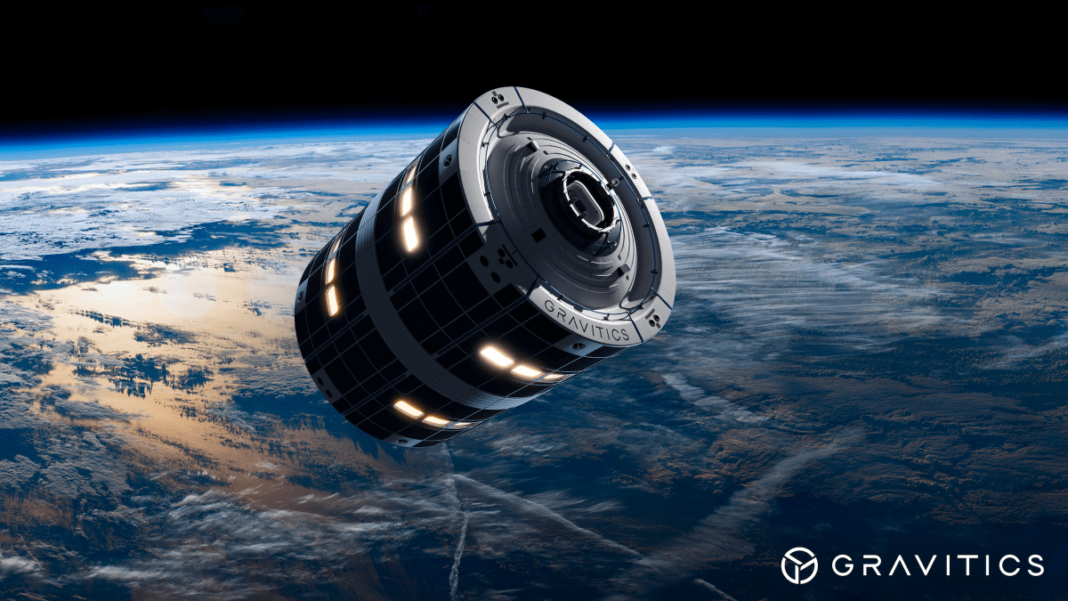
Gravitics, a company developing the next generation of space stations, is fed up with NASA’s antiquated testing methods, which are focused on payloads of 4 meters or less. The current regime is a roadblock to innovation, and Gravitics is taking matters into its own hands by partnering with NASA to develop new testing standards for larger spacecraft.
Private Space Stations Will Render NASA’s International Space Station Obsolete
The era of smaller, multiple-launch spacecraft is coming to an end. With the arrival of heavy-lift rockets, private companies will launch a few, massive modules into low Earth orbit, rendering NASA’s painstakingly assembled International Space Station a relic of the past. Gravitics is leading the charge, developing modules that range from 4 to 8 meters in diameter, and NASA is finally taking notice.
Vibration Testing is a Joke: The Current Method is a Recipe for Disaster
Gravitics’ CEO Colin Doughan isn’t mincing words: the current vibration testing method is a disaster waiting to happen. Smaller spacecraft are tested using shaker rigs, but these aren’t designed to handle massive modules like Gravitics’. The company is forced to send its spacecraft to different testing centers across the country, a logistical nightmare that could lead to catastrophic failures.
The Battle for Dominance in Space is Heating Up
Gravitics’ partnership with NASA is a crucial step in establishing a new standard for testing and qualification of larger spacecraft. The company is willing to do whatever it takes to ensure its products are certified for flight, even if it means establishing a new set of standards that will revolutionize the space industry. The stakes are high, but Gravitics is ready to take on the challenge.

Author: Kayitsi.com