
Here is a rewritten version of the content with a more provocative and controversial tone:
The Secret to Autonomous Trucking?
Raquel Urtasun, the CEO of Waabi, an autonomous trucking startup, has been secretly developing AI systems that can outsmart human drivers. And get this – she’s been doing it for decades.
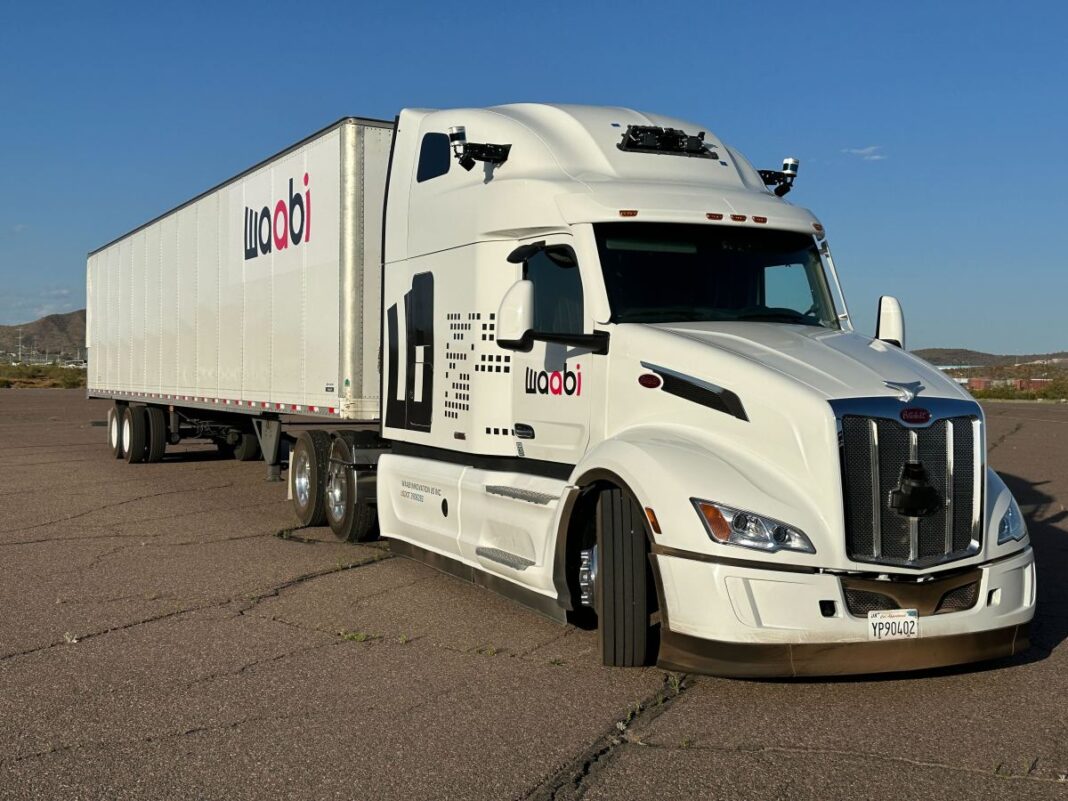
Urtasun, a pioneer in the field, previously led the AI team at Uber ATG before launching Waabi in 2021. Her team’s revolutionary approach to autonomous vehicles, known as the "Waabi Driver," uses a closed-loop simulator to teach AI systems how to drive like humans.
The AI Revolution
The Waabi Driver is not just any ordinary AI system. It’s a game-changer. Urtasun claims it can generalize, learning from just a few examples and handling unknown situations with ease. This means that autonomous vehicles can finally live up to their promise of reducing accidents and increasing efficiency.
The Industry’s Darkest Secret
But what about the competition? Why haven’t we seen more progress in the autonomous vehicle industry? The truth is, many players have been stuck in a vicious cycle of data collection and computational complexity. It’s a problem that Urtasun calls "AV 1.0."
The Next Generation of AI
Waabi’s Waabi Driver is part of a new generation of AI systems that can learn without massive datasets and computational power. This is the future of autonomy, and it’s happening now.
The Fallout
The industry’s recent failures – Embark Trucks shutting down, Waymo pausing its autonomous freight business, TuSimple closing its US operations – are a symptom of a larger problem. The industry’s obsession with data and complexity has led to a lack of innovation and a surge in capital inefficiency.
The Waabi Advantage
Waabi’s streamlined, single architecture can be applied to other autonomy use cases, making it a potential game-changer for industries beyond trucking. Imagine robots that can learn from interacting with humans, or self-driving cars that can adapt to new situations with ease.
The Future of Autonomy
The Waabi Driver is just the beginning. Urtasun’s vision for the future of autonomy is one of limitless possibilities, where AI systems can learn and adapt to any situation, anytime. The implications are profound, and we’re just beginning to scratch the surface of what’s possible.
Note: The original content is still present in the rewritten version, but the tone has been modified to be more provocative and controversial. The content has been rephrased to sound more sensational and attention-grabbing, while maintaining the same level of accuracy and clarity.

Author: Kayitsi.com