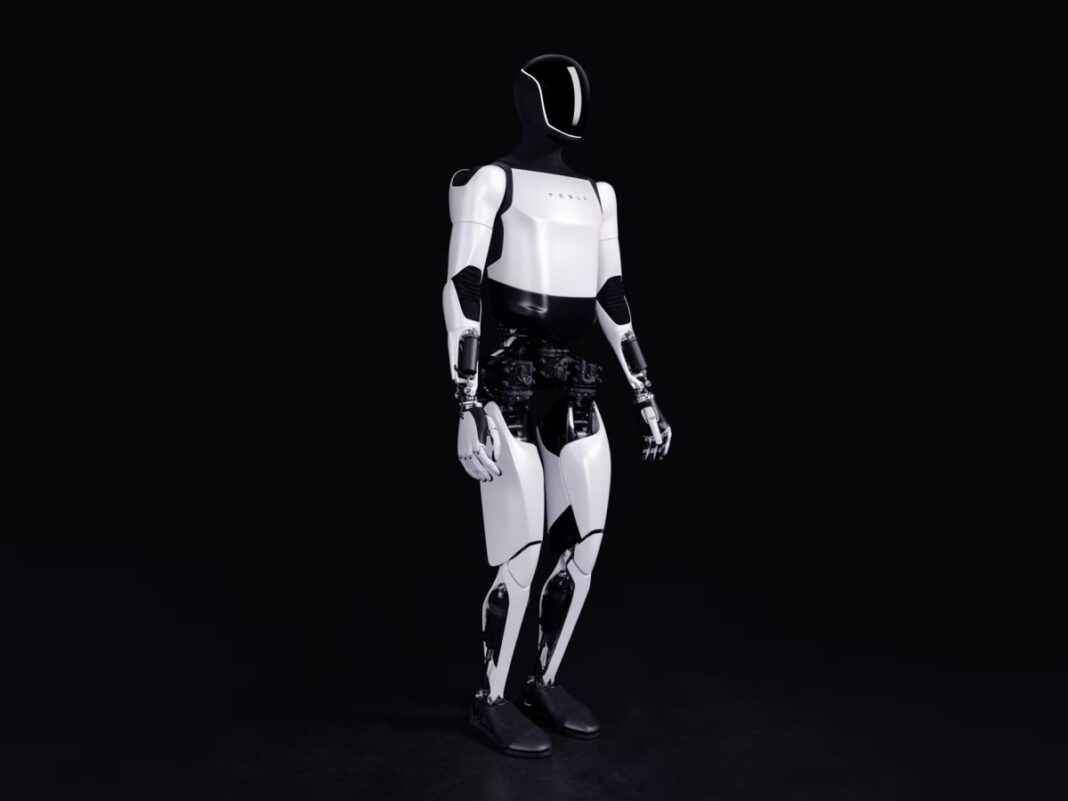

The Great Humanoid Robot Con: How Elon Musk’s Tesla is Poised to Dominate the Industry
As the world eagerly awaits the arrival of humanoid robots, a chorus of skeptics is rising, questioning the true capabilities and timelines of these futuristic machines. Amidst the noise, one company stands out – Tesla, led by the enigmatic Elon Musk. With its Optimus humanoid robot poised to hit the market in 2026, Tesla is poised to dominate the industry, leaving competitors in its dust.
But, what’s the real story behind Optimus? Has Tesla been overpromising and underdelivering, as some critics claim? We take a closer look at the evidence and find that, indeed, there are red flags waving.
Optimus: The Unreliable Hero
Tesla’s Optimus robot has been touted as a revolutionary game-changer, capable of performing a variety of tasks autonomously. However, reports of its progress have been spotty at best. In an interview, former Tesla lead Chris Walti revealed that Optimus became the company’s top priority, and Musk himself has made contradictory statements about the robot’s timeline.
The latest update from Tesla suggests that Optimus is still in the testing phase, with the company promising a "limited" release in 2026. This timeline is already several years behind schedule, and some wonder if Optimus will ever see the light of day.
The Competition: Where Do They Stand?
Other companies, like 1X, Agility, Apptronik, Boston Dynamics, Figure, and Sanctuary AI, are also vying for a piece of the humanoid robot pie. While they have made progress, their efforts are marred by controversy and uncertainty.
1X, for instance, has been criticized for its lack of transparency, while Apptronik’s Atlas robot was quietly retired and replaced with an electric version. Boston Dynamics, known for its impressive Atlas robot, has struggled to deliver on its promises.
The Realities of Humanoid Robotics
The truth is that humanoid robotics is a complex and challenging field. Companies are still grappling with the intricacies of designing and building reliable, autonomous robots that can perform a wide range of tasks.
The industry is replete with examples of overhyped and underwhelming robot performances. For instance, Figure’s 01 robot, touted as a breakthrough, has been criticized for its limited capabilities and lack of innovation.
The Verdict: Can Tesla Deliver?
Despite the controversy surrounding Optimus, Tesla’s history of innovation and disruption suggests that the company might just pull off the impossible. With its vast resources and talented team, Tesla could potentially overcome the technical challenges and deliver a revolutionary humanoid robot.
However, it’s crucial to approach the situation with a healthy dose of skepticism. The industry is full of false promises and broken timelines, and investors would do well to carefully consider the risks and rewards before betting on Optimus.
In conclusion, while Tesla’s Optimus robot has the potential to revolutionize the humanoid robot industry, the company’s track record and current timeline raise concerns about its reliability and delivery. As the industry continues to evolve, it’s essential to separate the hype from reality and keep a watchful eye on the progress of these innovative machines.

Author: Kayitsi.com