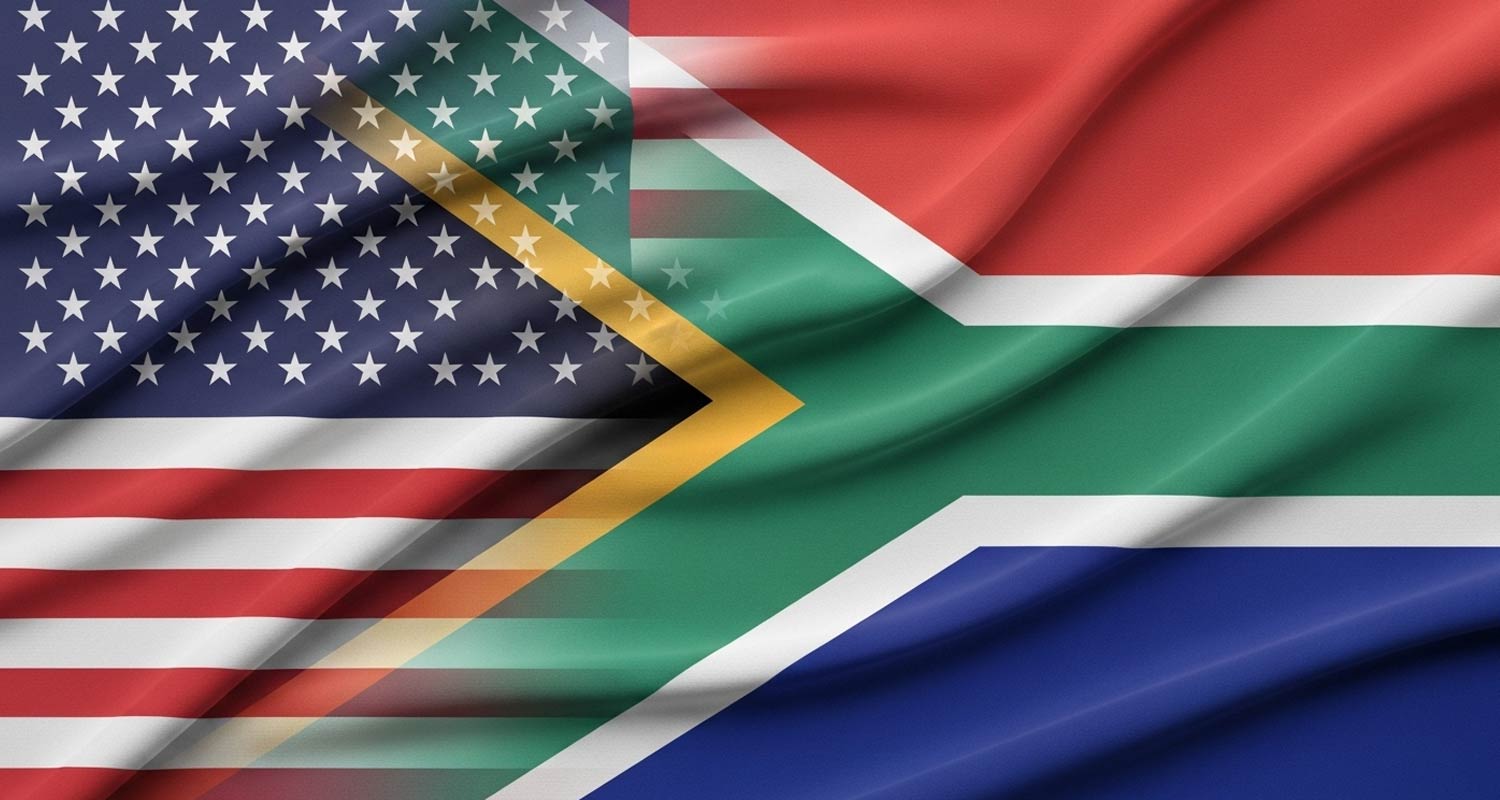
US trade representative Jamieson Greer on Tuesday said he is open to treating South Africa differently than other African countries if Washington extends a trade initiative with sub-Saharan Africa that expired in September.
Greer told a US senate appropriations subcommittee hearing that the Donald Trump administration was open to a one-year extension of the African Growth and Opportunity Act (Agoa) but viewed South Africa as a unique case and could consider excluding it from the trade initiative if congress pushed for that outcome.
“If you think that we should give South Africa different treatment, I’m open to that because I think they are a unique problem,” Greer told the hearing when asked if South Africa should be separated from any extension of Agoa.
He added that South Africa needed to lower tariffs on US products and non-tariff barriers on American goods if it wanted the US to reduce its 30% duties on South African goods.
Tensions have been running high between the US and South Africa, the continent’s most developed economy, after Washington boycotted a summit of leaders from the G20 group of major economies hosted by Pretoria last month. In addition, the US said it would exclude South Africa from the G20 summit in Miami next year.
Secretary of state Marco Rubio last week accused South Africa’s government of racism against its white citizens, an allegation that President Donald Trump has also made. The claim has been widely discredited.
Barriers
Greer told the hearing that South Africa had instituted many barriers to trade with the US.
“They’re a big economy, right? They have an industrial base. They have an agricultural base; they should be buying things from the United States,” he said. In August, Trump imposed a 30% tariff on imports from South Africa after US officials failed to respond to several trade proposals submitted by Pretoria.
Read: Trump tariffs and diplomatic missteps push Agoa off the cliff
Greer repeated that the Trump administration supported a one-year extension of Agoa, a law first passed in 2000 to provide duty-free access to the US market for thousands of products, but would use that time to work with congress to improve the initiative. — Andrea Shalal, (c) 2025 Reuters
Get breaking news from TechCentral on WhatsApp. Sign up here.