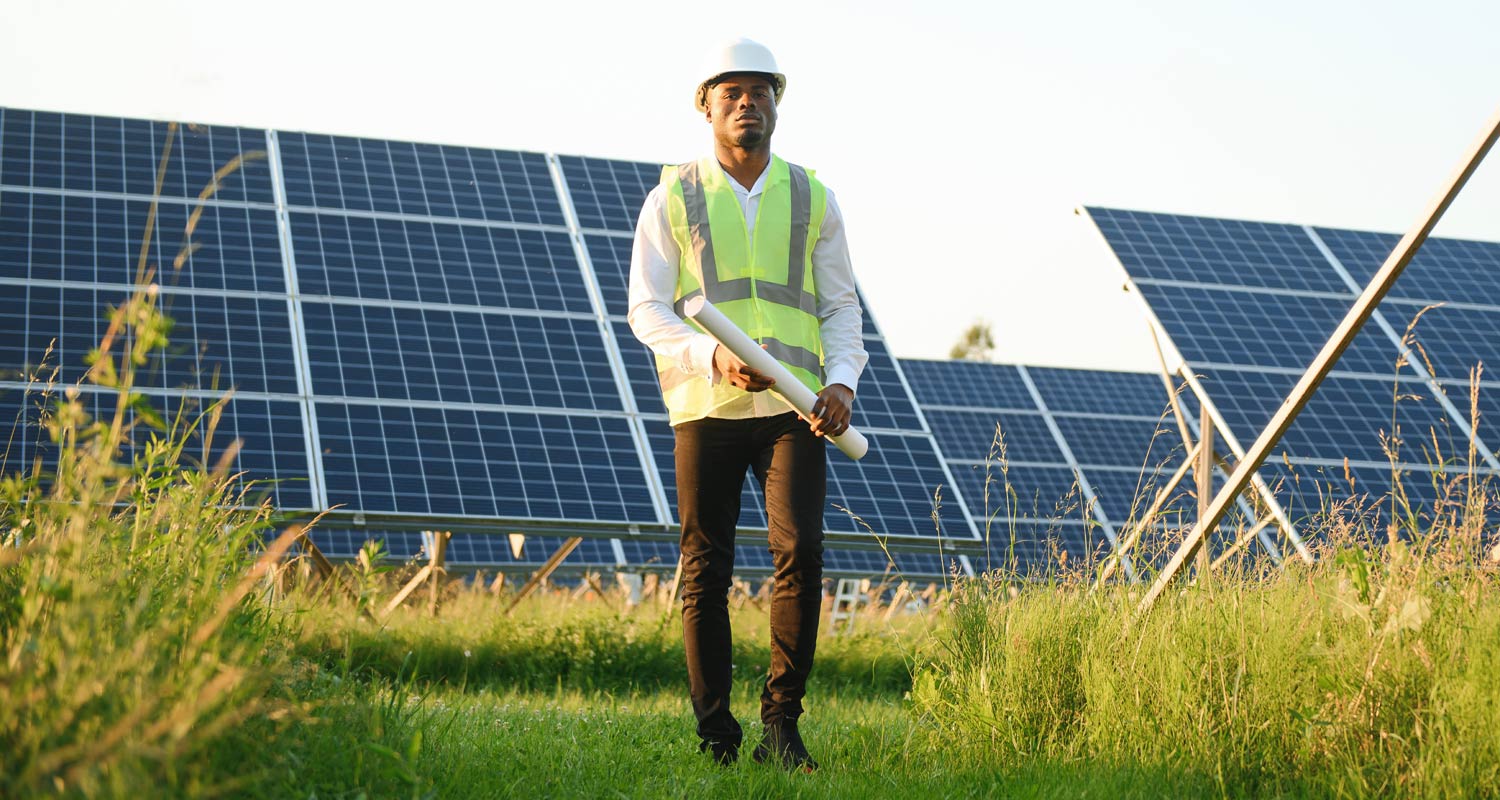
Solar industry body Sapvia has said the maturing of South Africa’s renewable energy sector brings with it many opportunities for the local manufacture of solar PV components. But swapping out manufacturing for the current import and assemble model threatens to slow job creation.
“Manufacturing in this space is important. The industry is finding those spaces where manufacturing makes sense. But we want to do manufacturing that creates jobs as well and one of the big challenges with solar modules, particularly with the large factories in China, is that they actually turn the lights off during the day because it is all robots doing the production,” said Sapvia spokesman Frank Spencer.
Spencer said competing with the economies of scale in the Chinese solar PV manufacturing sector is difficult, even though there are niche areas where South African companies are creating value, such as in the assembly of components and downstream installations, especially on large-scale solar farm projects.
“What is happening in the South African market is assembly, not manufacturing in the strict sense,” said Rethabile Melamu, Sapvia CEO, at a media briefing on Tuesday.
“All the various components are imported from China and then assembled here. All the upstream activity happens elsewhere and is then imported into South Africa.”
Sapvia data shows that around 75% of the world’s PV modules are manufactured in China. Vietnam is second at 6.8% and Malaysia third at 3.7%. Europe, once a frontrunner in the space, only produces 0.9% of the world’s solar PV modules.
Melamu said that for South Africa to develop a competitive local manufacturing sector, it must institute incentives like those China has put in place over the past 20 years. These include low-cost or free land for solar PV manufacturing facilities, subsidies and tax exemptions, lower electricity prices for the industry, preferential loans, and anti-dumping duties on foreign-made competing products.
Not feasible
But trying to compete across the entire value chain may prove difficult. Sapvia suggests focusing efforts on areas where South Africa already has proven capability and where other local industries, such as the automotive sector, will serve as accessible markets. This includes the manufacturing of inverters, electrical cabling, surge protection devices and switchgear.
The manufacturing of PV cells, ingots and wafers, backing sheets, and copper wiring is excluded from these “low hanging fruit” as competing with the investment and scale of manufacturing in China is not feasible. However, the recycling of solar PV panels is another part of the value chain that can also be localised.
Read: One of South Africa’s largest private industrial solar projects takes shape
According to Sapvia chairman De Villiers Botha, South Africa should not focus too much on the manufacturing portion of the solar PV value chain, especially since more jobs are created in the deployment and installation phase of most projects.
Botha explained that the localisation of the solar PV value chain has been attempted in South Africa before but failed. He said part of the reason companies that focused on local manufacturing failed is that the embedded generation market was in its infancy and not large enough to support those factories sustainably.
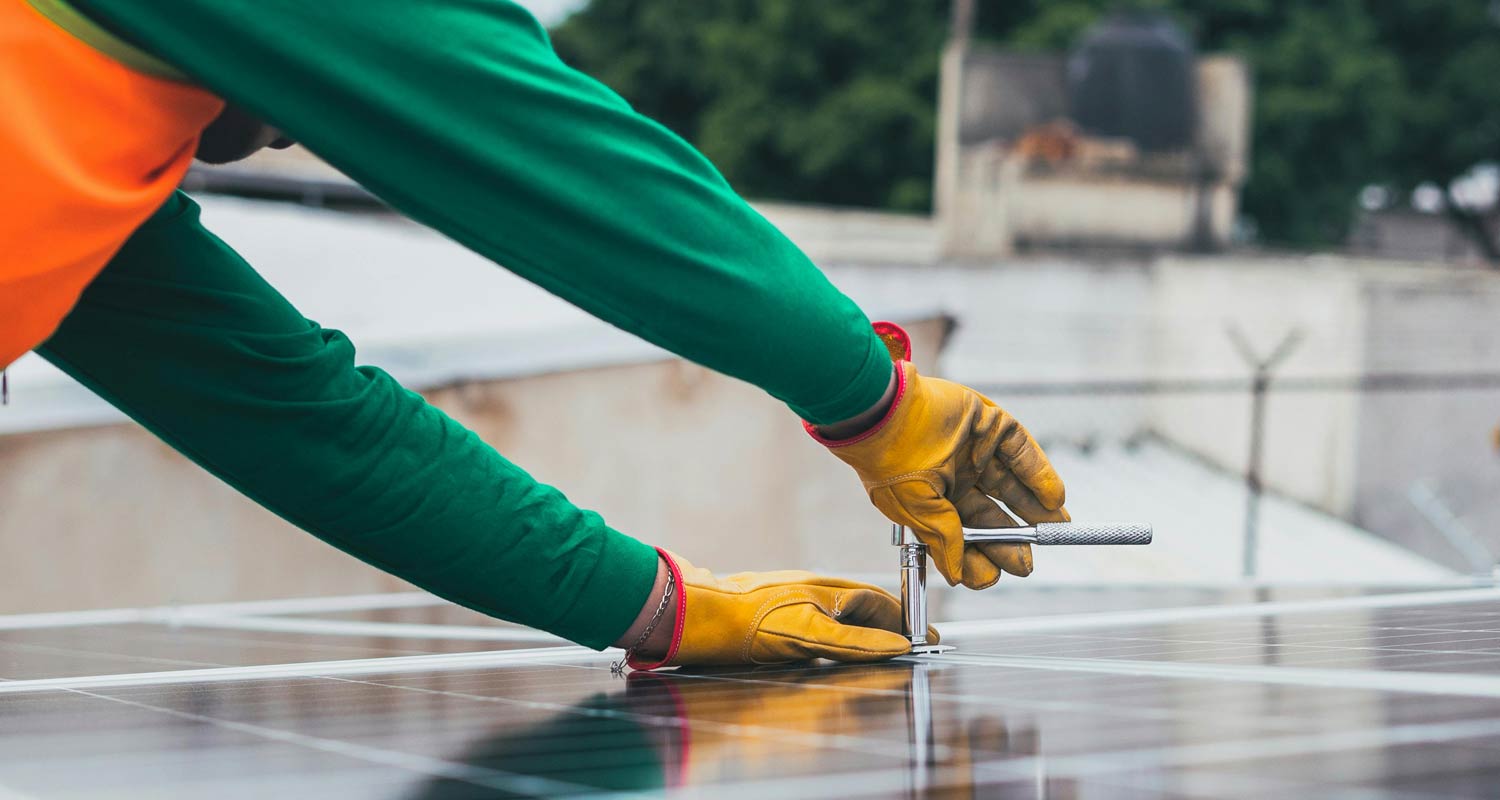
Although the market has developed since then, Botha argued that installation still has the potential to create more jobs than manufacturing.
“These factories are often mechanised, so yes, they will attract investment into the country, but the reality is that only around 60 jobs are created in an inverter factory and around 140 in an assembly factory. If we compare that to a 100MW [solar farm installation], that creates some 1 500 for an 18-month period. During operation, that same plant creates 10 permanent jobs,” said Botha.
Read: Wind, solar and gas take centre stage in South Africa’s future energy mix
“There needs to be a balanced approach. Yes, we need industrialisation, and there needs to be investment in the country, but we also then need the jobs flowing from that,” said Botha. – © 2025 NewsCentral Media
Get breaking news from TechCentral on WhatsApp. Sign up here.