
Photo-Illustration: Vulture; Photos: Developers
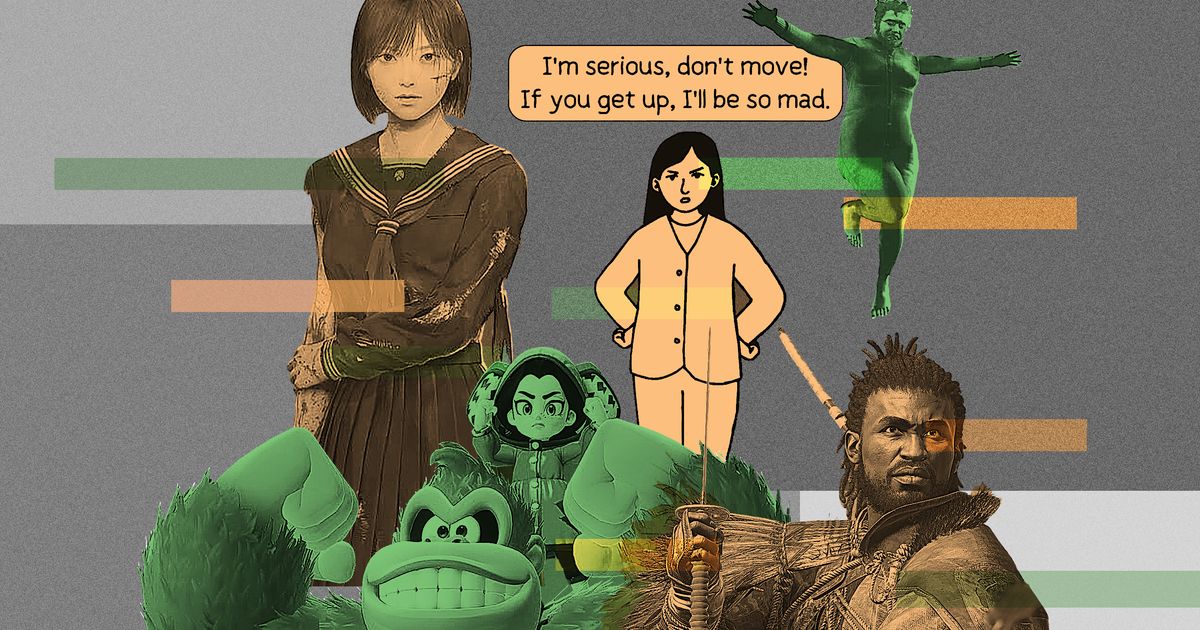
Like the TV and movie industries, video games navigated choppy waters in 2025. There were yet more immiserating layoffs amid painful, executive-led pushes for AI. Yet the games themselves bore few traces of such hardship, sparkling from our screens — quite literally in the case of Donkey Kong Bananza, which saw its simian star unearthing diamond bananas. Banaza arrived on the new Nintendo Switch 2 console that itself launched to record-breaking sales figures, a financial shot in the arm for the industry in which some analysts had expressed grave concern about following an ostensible post-pandemic downturn.
The long-awaited release of the Switch 2 also epitomized one welcome trend: a deluge of titles with massively protracted productions (over seven years in some cases) finally seeing the light of day. We got to enjoy action-platformer Hollow Knight: Silksong after what felt like an age of gags, memes, and internet speculation. It arrived alongside personal soccer odyssey Despelote, calorie-counting life simulator Consume Me, and many more. Who cares that Grand Theft Auto 6 slipped from 2025 into 2026 (and then further) when such bounties are readily available right now. The fact that games take so long to make speaks to a truism of the medium that synthesizes all others: They are miracles of code, art, music, and writing. And that’s without considering the most capricious element of all: their interactivity. That video games should make it to our devices at all, amid any kind of turbulence, is a cause worth celebrating.
The long-awaited return of the ape-starring franchise has one almighty trick up its sleeve: destructible environments. It sees our lovable muscle head — now accompanied by a teenage singing sensation called Pauline — smashing through the 3-D levels that make up Ingot Isle. Dirt; rock; precious minerals: D.K. carves through it all in a state of coin-clinking abandon while attempting to recover stolen banana diamonds from a group of villainous monkeys. But the destruction isn’t merely a novelty: It rewrites Nintendo’s action-platformer rule book. Now you need not hop over obstacles; you can burrow around or below them, likely also discovering many fossilized secrets scattered about the substrata. If Mario Kart World was a good reason to get a Nintendo Switch 2, then Donkey Kong Bananza is an even better one. It is a smile-inducing, undeniably cathartic platformer of 24-carat quality.
“Just think of dieting like a video game,” goes one early line in Consume Me. That’s the genius of this quasi-autobiographical life simulator from Jenny Jiao Hsia and her development partner, AP Thomson. Meal times play like Tetris (don’t eat too little or too much) and entire days must be efficiently organized around calorie counts, grueling workouts, and anxiety-filled weigh-ins. The game is also part Tamagotchi-like (Jenny’s mood mustn’t drop to zero) and part madcap WarioWare collection of mini-games (to earn money, our star must walk the dog and clean the bathroom). Functioning as both a satire of obsessive dieting and a portrait of a stressed-out teen, the game will likely make you laugh and cry on your way to completion: Actually, Consume Me is the very thing its protagonist is looking to avoid — a feast.
Final Fantasy Tactics is a PlayStation 1 classic for good reason: Shakespearean dialogue; turn-based battles that play like chess; a tale steeped in class conflict. The Ivalice Chronicles — which is neither remake nor remaster but something in between — refreshes the game where it matters, notably the addition of delightfully hammy voice acting. Indeed, you can practically feel the spittle on your face as one of the game’s monarchist villains delivers yet another incandescent tirade against the common folk. But there’s plenty from the original that didn’t need updating: The brilliantly flexible job system still rips (want to create a gun-toting mage? No problem!); the diorama levels remain gorgeously elegant. It’s easy to think of Final Fantasy as just that, a fantasy — but in the year of No Kings protests, Yasumi Matsuno’s stirring story of inequality, division, and pig-headed elites found an all-new resonance.
Let me say this with my whole chest: Lumines is a better puzzle game than Tetris. There’s no denying this lesser-known block-builder took a great deal of inspiration from Alexey Pajitnov’s arcade classic: Cubes fall onto a grid, and it is up to you to align them in such a way that the screen clears. But where Tetris only ever speeds up, Lumines ebbs and flows, dialing up the tension before letting you enjoy a few minutes of relative serenity. Lumines Arise may be the definitive version of the game that was originally released in 2004. Like 2021’s Tetris Effect, this is both a kaleidoscopic and symphonic reimagining of the base title, adding psychedelic visuals and gorgeously intricate electronic music to the experience. One moment, blocks are ghostly abstractions of light and shadow controlled by robot hands; the next they are apples and tomatoes exploding as effervescent color. The result is beautiful and hypnotizing: a techno-hippie fantasia that tickles practically every neuron in your brain.
Assassin’s Creed Shadow sees Ubisoft at the height of its world-building powers. This is a frankly majestic imagining of 16th-century feudal Japan filled with paddy fields, winding valleys, windswept plains, and teeming towns all knitted together into a virtual tapestry of striking geographic verisimilitude. Not all of Shadows lives up to its transcendent setting: For a start, the story, focused on spunky shinobi Naoe and stoic samurai Yasuke, is too long (totaling more than 50 hours). Combat, despite being flashy and brilliantly gruesome, is still disappointingly clunky (as per the franchise’s history). Yet these are relatively minor gripes in a game that otherwise lets you appreciate its setting in more coherent, imaginative ways than ever: You’re able to meditate in the mountains, pray at shrines, and even paint the abundant wildlife. Amid a glut of historical games in 2025, Shadows did it best: This blockbuster romp through feudal Japan felt like actual time travel.
Certain esteemed figures have long made the argument that the single-biggest barrier to entry into gaming is the modern, multibutton game pad: Its complexity is an instant turnoff for newbies! So how refreshing it is to play a title that simply asks you to look at a webcam, blink, close your eyes, and turn your head to interact with it. Even better: You do so playing as a 6-month-old baby with psychic abilities. Goodnight Universe beautifully marries its accessible control scheme with a bighearted, unashamedly broad story that feels as if it’s been sprinkled with vintage Brad Bird magic. There are deftly observed family dynamics (a precocious yet cynical teen; two frazzled parents) and a deluge of sci-fi references that somehow become more than the sum of their parts. Whether you’re telekinetically changing TV channels, folding clothes, or doing something more destructive, you play this narrative adventure game with your eyes. You feel it through them, too: They will widen and maybe even dampen.
Touch grass: It feels like only Hideo Kojima, one of gaming’s few household-name directors, could create a soul-stirring 40-hour meditation whose core message can essentially be boiled down to this meme. Yet that is precisely what Death Stranding 2: On the Beach is. Once again, you play as stoic courier Sam Porter Bridges (Norman Reedus), tasked in this lavish sequel with connecting Australia to a spooky, supernatural internet known as the chiral network. But as Sam lugs packages around beautiful yet treacherous terrain populated by [checks notes] robo-samurais and bandits rocking fresh techwear, a skepticism of his mission sets in. This is arguably a less radical, more action-packed take on the original’s desolate hiking adventure, yet there’s no denying Kojima’s audacity in using a video game to implore players to log off. The timely message is told in a frequently absurd yet affecting style, including through the assiduous mo-cap of its A-list cast (which includes Léa Seydoux, Elle Fanning, and George Miller). For all the new emphasis on guns, here is a rare blockbuster video game chiefly about hugs, kisses, and holding hands — the joys of physical, rather than digital, connection.
Video-game soccer tends to stick pretty closely to the broadcast version of the sport: photorealistic graphics; a zoomed-out stadium perspective; nerdy statistical breakdowns at the end of each half. None of this is present in the heartwarming and gently form-busting Despelote, which sees you play as a soccer-obsessed child in Ecuador’s mountainous capital, Quito. Akin to interactive auto-fiction, this first-person adventure deftly folds early life details about one of its makers, Julián Cordero, into a game about mischief-making in dusty parks. The 3-D world is made from photographs of actual Quito neighborhoods, rendered in a dreamy impressionistic style; the bustling, excitable sounds that waft through these settings are actual field recordings. Eventually, the game builds to its own metafictional deconstruction, albeit in a way that lands as an emotional gut punch rather than smarty-pants twist. Of course sport has the capacity to move us: Despelote explores how with no shortage of invention or magic.
The return of the venerated survival-horror series begins in slow, sinister fashion, then reveals itself to be something far more heavy metal: a beastly action romp. As teenage schoolgirl Hinako Shimizu, on the cusp of an arranged marriage by her abusive, alcoholic father, we navigate a relentlessly foggy mountain village in rural Japan. As per franchise traditions, this terrifically evocative setting is crawling with manifestations of Hinako’s mind: living dolls and creatures made entirely out of swollen, pregnant abdomens (which recurrently give birth to more dolls). But a bracing and wince-inducing mid-game twist shakes up this familiar cadence. It’s here that Silent Hill f quite literally bears its teeth (and claws, for that matter), spiraling into maniacal and oh-so-satisfying bloodshed. With an inventive, empathetic story penned by renowned manga author Ryukishi07, the game offers a brilliant depiction of what happens when bottled-up female rage can no longer be contained: The patriarchy had it coming.
Baby Steps is the year’s crowning achievement: an absurdist hiking simulator through a secret-filled wilderness that doubles as both send-up of, and love letter to, video games themselves. You play as Nate, a 30-something couch potato who, one day, finds himself thrust into a magical mountain realm. But here’s the rub: In order to make Nate move, you must manually lift and plant each leg. What occurs is both maddening and genuinely profound: a painstaking step-by-step ascent that calls on you to meticulously study the virtual landscape (for gradient and slipperiness), lest Nate fall flat on his bulging ass. One of the game’s makers, Bennett Foddy, has long been making these kinds of punishing interactive obstacle courses (see QWOP and Getting Over It With Bennett Foddy). Baby Steps is that idea presented in baroque, quasi-blockbuster form (replete with talking donkeys). Really, it’s contradictions that elevate this masterpiece, the balance of wide-eyed wonder and gonzo stupidity. When you do finally make it to the top, despair makes way for a full-body flood of emotion: pure joy.
(PC and Xbox Series S/X)

Photo: Double Fine Productions
San Francisco studio Double Fine has been creating wonderfully offbeat experiences for decades: Its beloved Psychonauts series sees players spelunking into the subconscious rendered as Mario-esque platforming challenges; Brutal Legend, starring Jack Black, is a rock odyssey through the underworld. But Keeper is arguably its weirdest game yet, a puzzle-platformer in which you [checks notes] play as a walking lighthouse. The protagonist’s shining beacon is the key to advancing through the vibrant far-future setting: Light causes life to accelerate and the flow of time to go loopy. But these puzzles aren’t especially challenging; they exist simply as something for you to do while you take in the wild, vivid spectacle of the game’s teeming, miraculous ecosystems. The star of Keeper, then, is less the lighthouse than the world — it looms from the screen like a dream colored by magic mushrooms.
(PlayStation 5)

Photo: Sucker Punch
What a difference a switch in protagonist can make: 2020’s Ghost of Tsushima was a beautiful yet dour open-world adventure starring a samurai who only begrudgingly wielded his sword. In the follow-up, Ghost of Yōtei, you play as Atsu, a middle-aged woman who is unashamedly enjoying her mission of steel-tipped vengeance through rural northern Japan. The change is emblematic of broader shifts in tone: Earnestness makes way for pulp; the score and cinematography borrow heavily from spaghetti westerns; our hero comes to resemble a 17th-century version of the Bride from Kill Bill. But as you slice, dice, and gallop your way across this ravishing depiction of Japan’s northernmost island of Hokkaido, a thoughtful exploration of the land’s colonization at the hands of southern shogunate forces unfolds. It gives this crowd-pleasing romp a distinct flavor: gleefully violent yet wistful and, as per its title, somewhat haunted.
(PC, Nintendo Switch/2, PlayStation 4/5, Xbox One, Xbox Series S/X)

Photo: Team Cherry
It finally happened. After years of gags, memes, and internet speculation, Hollow Knight: Silksong is actually here. This sequel to the 2017 original does not reimagine its forebear’s 2-D action-platformer formula so much as it smartly revises and expands it. You play as Hornet, quick and agile, capable of diagonal down-thrust attack and nippy dodges that she’ll need to get through this adventure. She explores the underground realm of Pharloom, starting in the aptly named Moss Grotto (verdant and friendly!) before making her way to the also aptly named Bilewater (oppressive and gross!). Like the first game, Silksong is punishingly difficult, but the difficulty here is not without merit or reward. Along this underground odyssey, you discover bugs who have been toiling in the metal mines of Pharloom for eternity. What hardship they have endured and what hardship Hornet must endure! This is a cruel game for a cruel world yet one that offers strange comfort.
(PC, PlayStation 5)

Photo: Giant Squid
With a capacious sense of wonder, Sword of the Sea — a hover-boarding jaunt through a mystical realm from California studio Giant Squid — demonstrates something powerful: a deep reverence for nature. This is a brisk adventure of beautiful and poetic ecological imagery: Upon hitting a button in a desert that roils like the ocean, the sand transforms into jade-green water teeming with aquatic life. We experience this magical place of many heart-wrenching vistas almost in fast-forward, cavorting about dunes, sand waterfalls, and, later, snowy mountains while getting big air and pulling grab tricks. It’s easy to see how the snowboarding exploits of its creative director, Matt Nava, served as inspiration for Sword of the Sea’s gameplay. But this is not your typical extreme-sports game: The vibe is dreamy, New Age, and, oftentimes, jubilantly psychedelic.
(PC, PlayStation 5, Xbox Series S/X)

Photo: Hangar 13
Mafia: The Old Country does not possess innovative gameplay nor an especially original story. But that hardly matters: This is one of the year’s most enjoyable, rip-roaring adventures. The year is 1904, and young Enzo, our charismatic star, is working down the Sicilian sulfur mines. A knife fight later, he’s ushered into the ranks of the local mafia family. So begins a game of car chases, idyllic horse rides, booming shoot-outs, and tense, cat-and-mouse stealth sequences, all in a variety of ravishing, picture-postcard locales: lemon groves, village markets, opulent mansions. Every mechanic is solidly executed; the narrative is relayed with panache (these virtual faces definitively step beyond the uncanny valley). And, where class politics simmers in the background of much gangster fiction, here it is pushed to the fore: Our protagonist emancipates himself from the shackles of indentured servitude through a skull-cracking mafiosa career. Mercifully, this is no 50-hour, open-world epic but a taut ten-hour snapshot of both Enzo’s life and the turbulent society he must navigate as a man from the humblest of means.
(PC, PlayStation 5, Xbox Series S/X)

Photo: Messhof
Chic is not a word typically used to describe video games, but that is precisely what Wheel World is. You play as Kat, a young woman cycling about a Mediterranean island. Cypress trees line the road, the beaches are white and sandy, and a Sega-blue sea stretches out in the far distance. But this is a game with more than an evocative setting; the actual cycling action is also excellent. You’ll feel each shift in terrain through the controller (tarmac, gravel, dirt), and freewheeling down a massive hill is never less than a delight. There are races, but the real joy lies in simply ebbing and flowing across this gorgeous, sun-kissed land. So immaculate are Wheel World’s summer vibes you may wish to sip on a glass of chilled vermouth as you play.
(Nintendo Switch 2)
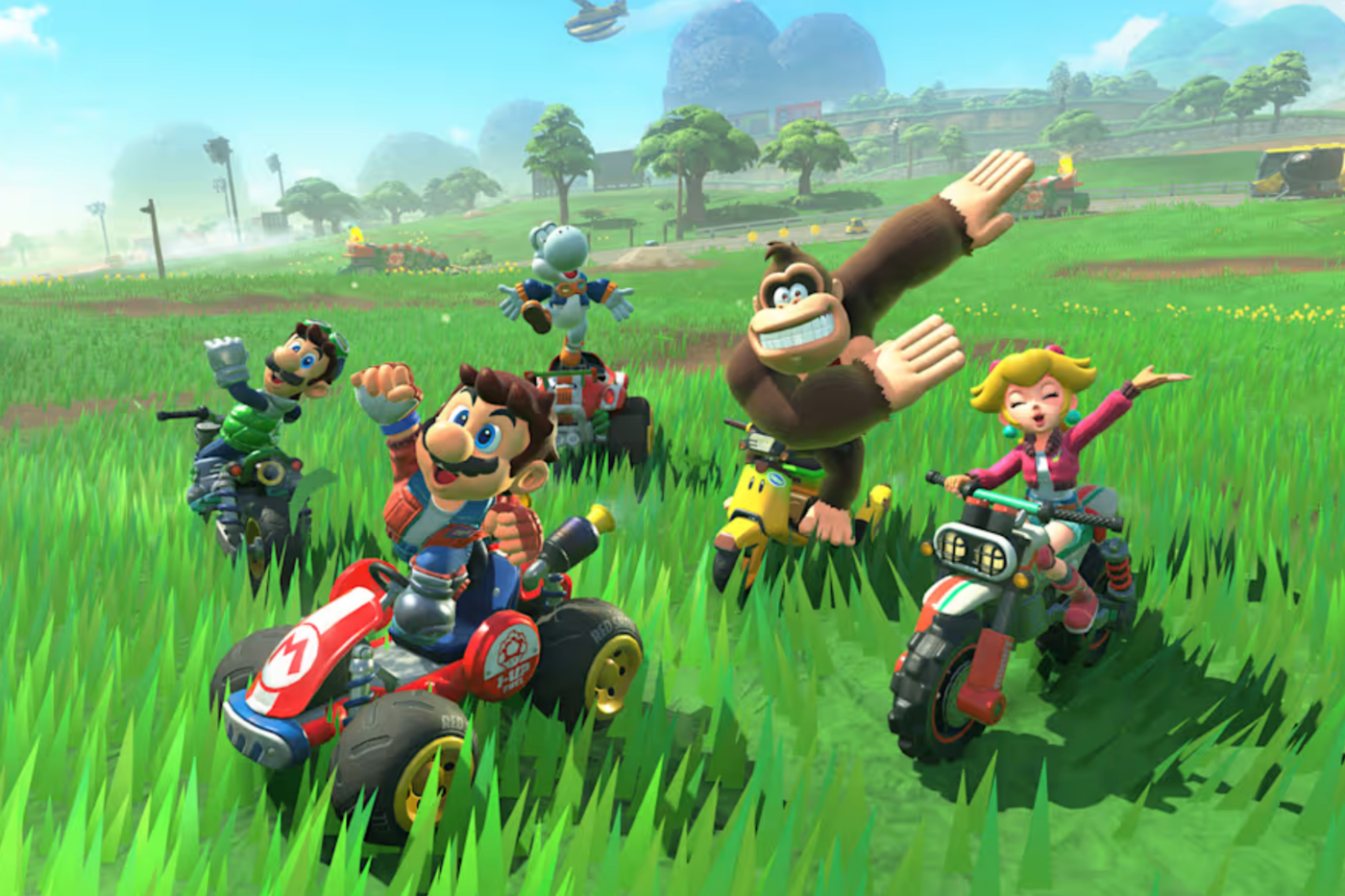
Photo: Nintendo
The first few times you pick up Mario Kart World, you may find yourself asking, “What’s all the fuss about?” It looks and plays a lot like its 2017 predecessor, i.e., a candy-colored blur of drifts and power-ups starring a brilliantly camp cartoon cast. But dig a little deeper, and there’s a raft of gameplay tweaks that push the latest installment of the world’s most beloved kart racer into stratospheric greatness. Chief among them is the ability to wall-ride, which transforms the geometry of these ingeniously designed tracks. You’re also able to grind rails and chain together tricks, as if you’re playing a Tony Hawk’s Pro Skater game. Throw in the open-world mode filled with a plethora of compulsive challenges, and you have quite the crowd-pleaser to kick off the Nintendo Switch 2. But the cherry on top of this veritable ice cream sundae of a game? You get to play as a charming, utterly adorable cow. Just look at this bovine icon!
(PC, PlayStation 5, Xbox Series S/X)
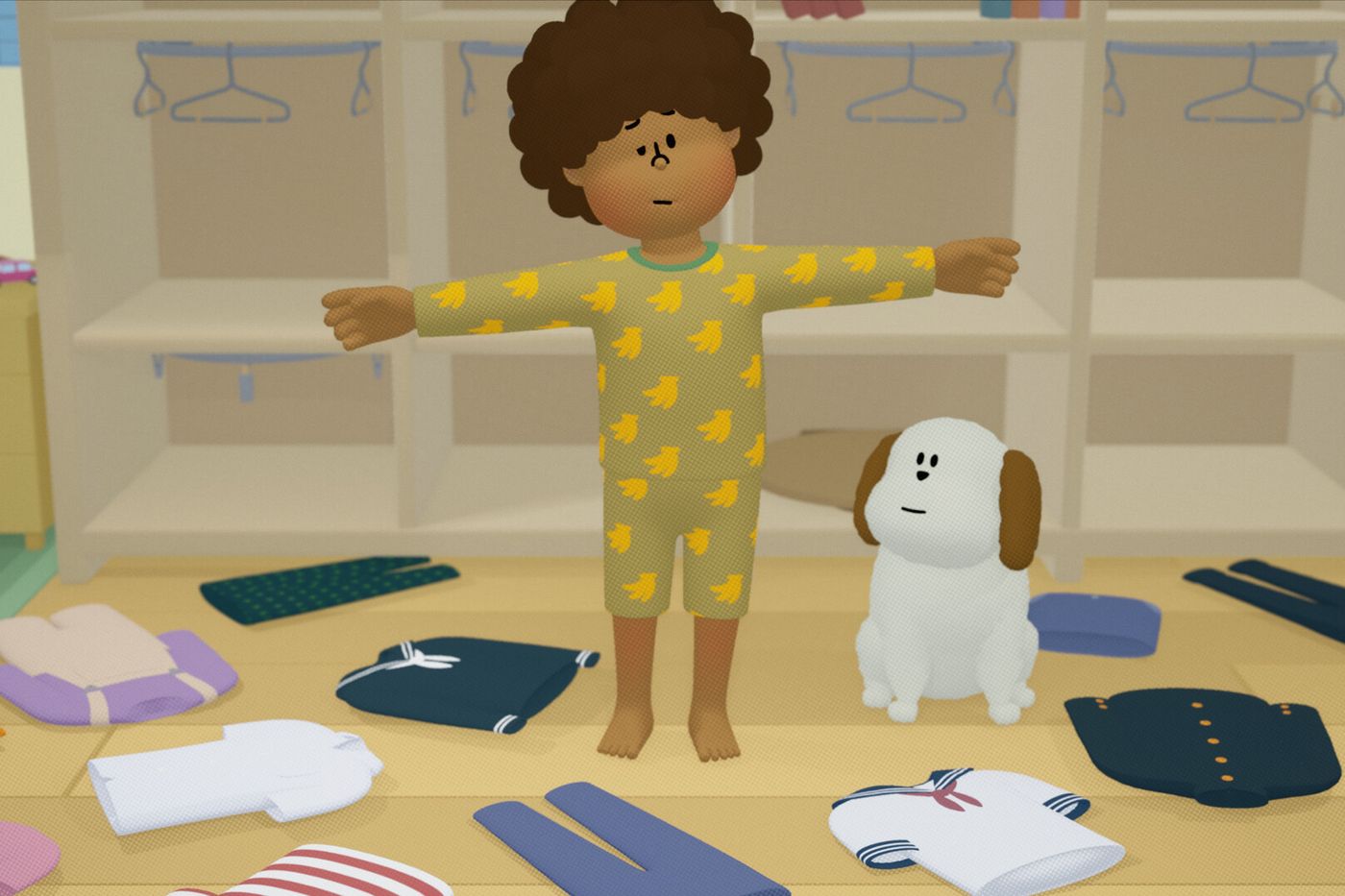
Photo: uvula LLC
Thank God for Keita Takahashi. The veteran designer made his name in 2004 with the brilliantly offbeat Katamari Damacy, a game that saw you rolling up — snowball-style — increasingly large objects, including tiny pins and gigantic mountains, to form a star. Twenty-one years later, the designer continues to operate in his own whimsical playing field, but the style has evolved. There is added earnestness in To a T, a sweet, silly coming-of-age tale about a gender-fluid teenager stuck in a permanent T-pose (meaning their arms are locked horizontally). Many odd physics-based mini-games follow: chowing down on extra-long sandwiches (the perfect shape for our limb-challenged protagonist); brushing teeth with an extra-long toothbrush (you see where this is going); taking sips of water from a beautifully elongated faucet. The message is simple yet timely (a celebration of differences; a refusal of conformity!) while the execution is breezy and charming. By its end, To a T lands like the gentlest of gut punches.
(PC)
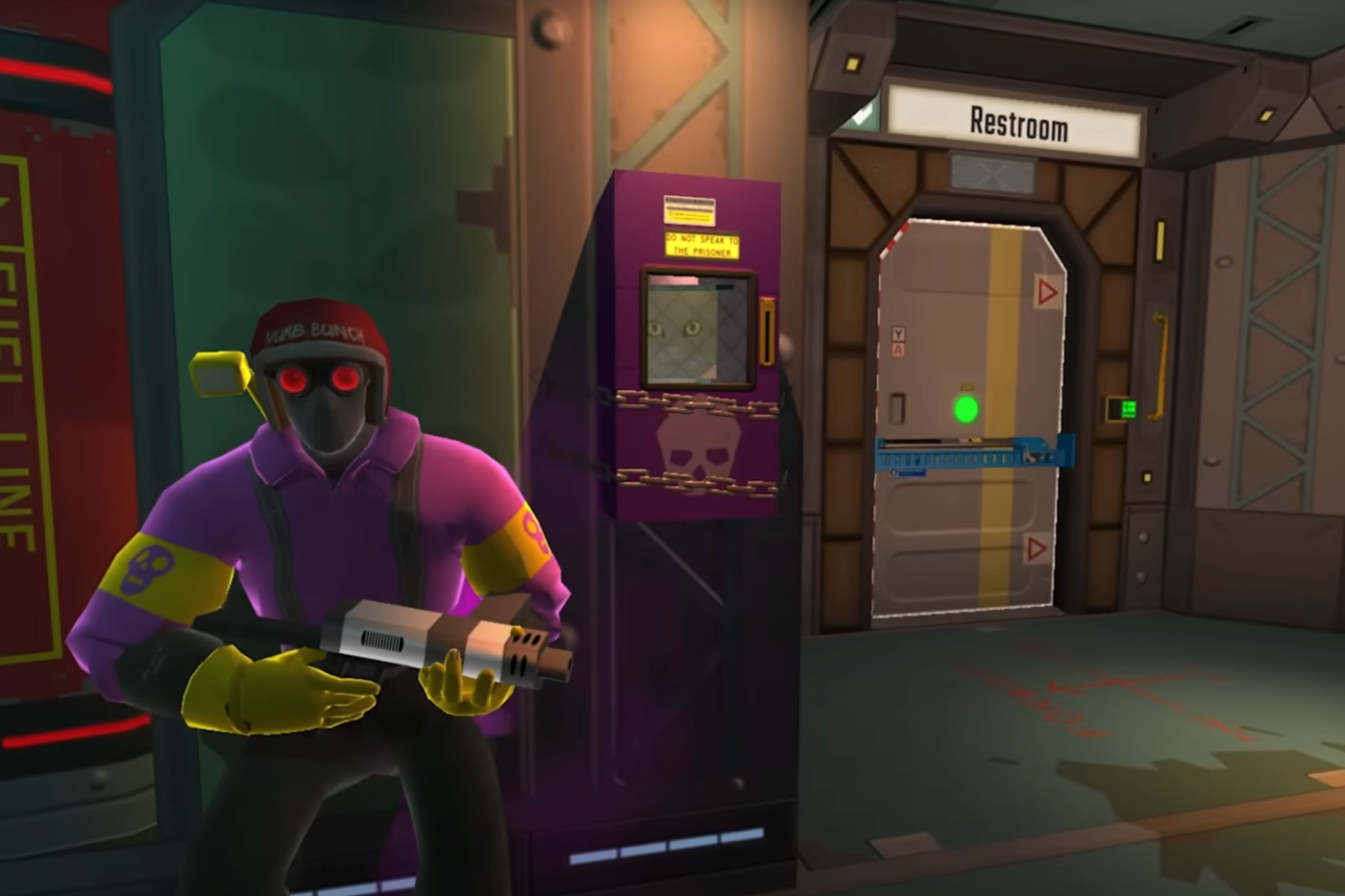
Photo: Annapurna Interactive/Youtube
Skin Deep is sticky, a first-person stealth-action game filled with all-manner of gooey substances which is also nearly impossible to put down. You step into the shoes of Nina Passedena, a secret operative for an intergalactic insurance company. Her job? To save cube-headed cats from a group of marauding space pirates. That’s right: Skin Deep is also riotously silly, packed with eccentric story beats and more innovative design ideas than some franchises manage in their entire history. Smashed glass is liable to get stuck in your feet; crawl through vents and you may end up sneezing. Soap, meanwhile, will cause your foes to slip on their ass, giving you the perfect opportunity to knock them out and pop off their heads (because of a bizarre disembodying technology dubbed “Skull Saver”). In the blink of an eye, it’s 3 a.m., and the past six hours have flown by like an action-cartoon fever dream.
(PC, PlayStation 5, Xbox Series S/X)
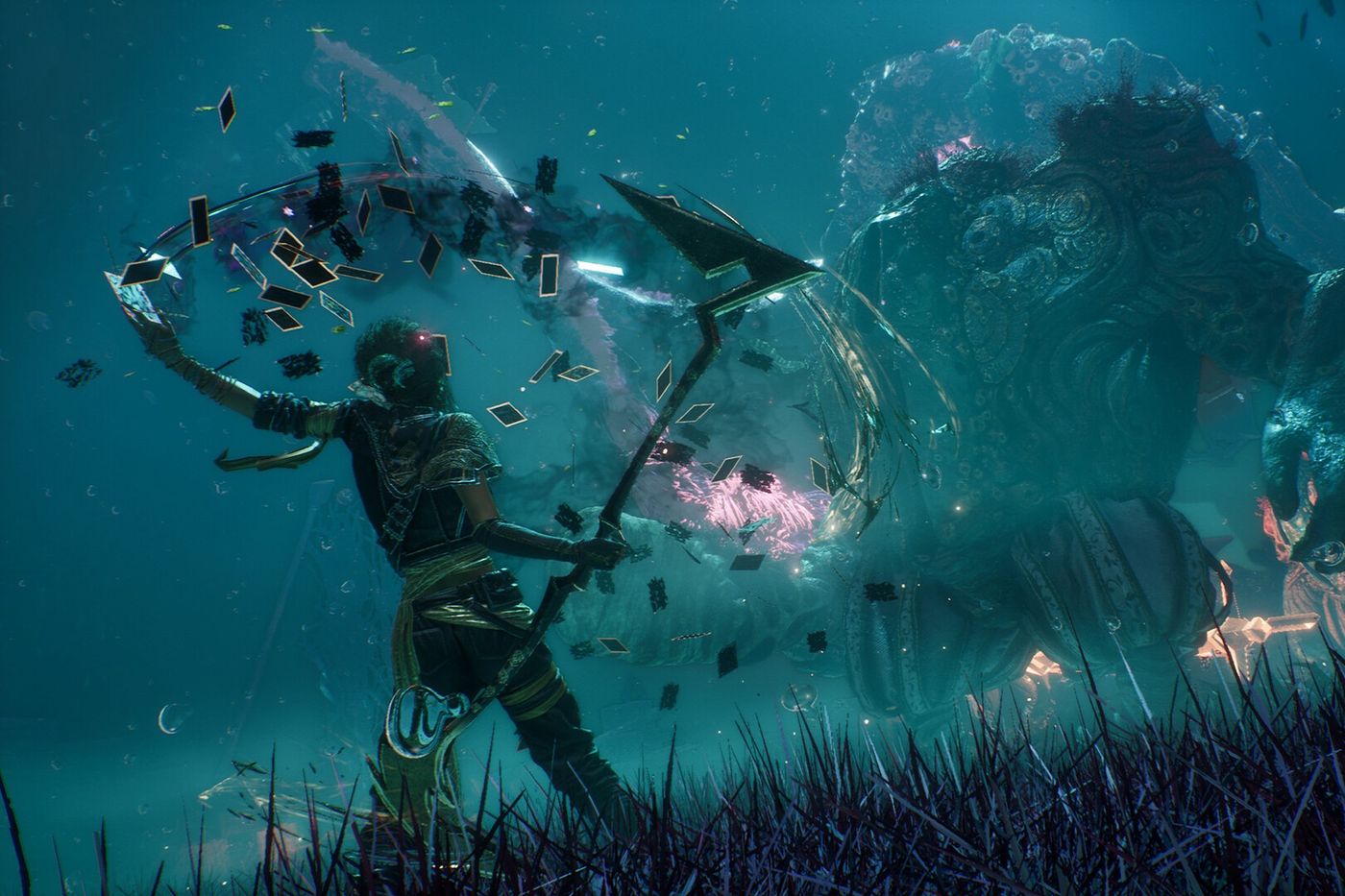
Photo: Sandfall Interactive
Much ink has already been spilled over why Clair Obscur: Expedition 33 — the debut game from French indie studio Sandfall Interactive — has become such a gigantic hit (3 million copies and counting). Is it the fact the game respects your time, clocking in at a little over 30 hours? The pulse-quickening turn-based battles that incorporate real-time blocks and parries? Simply the massive French vibes? Clair Obscur also succeeds because it is a rare video game that feels strikingly in tune with the current moment. It stars a bunch of sad-sack millennials (the titular Expedition 33) who must descend into a fantastical realm in a bid to save their own twisted version of Belle Époque Paris. Why? Because a mysterious godlike entity called the Paintress appears once a year to paint a descending number in the sky, sentencing anyone older than that number to die immediately. Thus, with those over the age of 33 consigned to ashy nothingness, and everyone else expecting to only live a few more years, the world of Clair Obscur is almost unbearably strange and sad, suffused with a genuinely desolate eeriness. In more ways than one, the game delivers on its premise — and then some.
(PC, PlayStation 5)
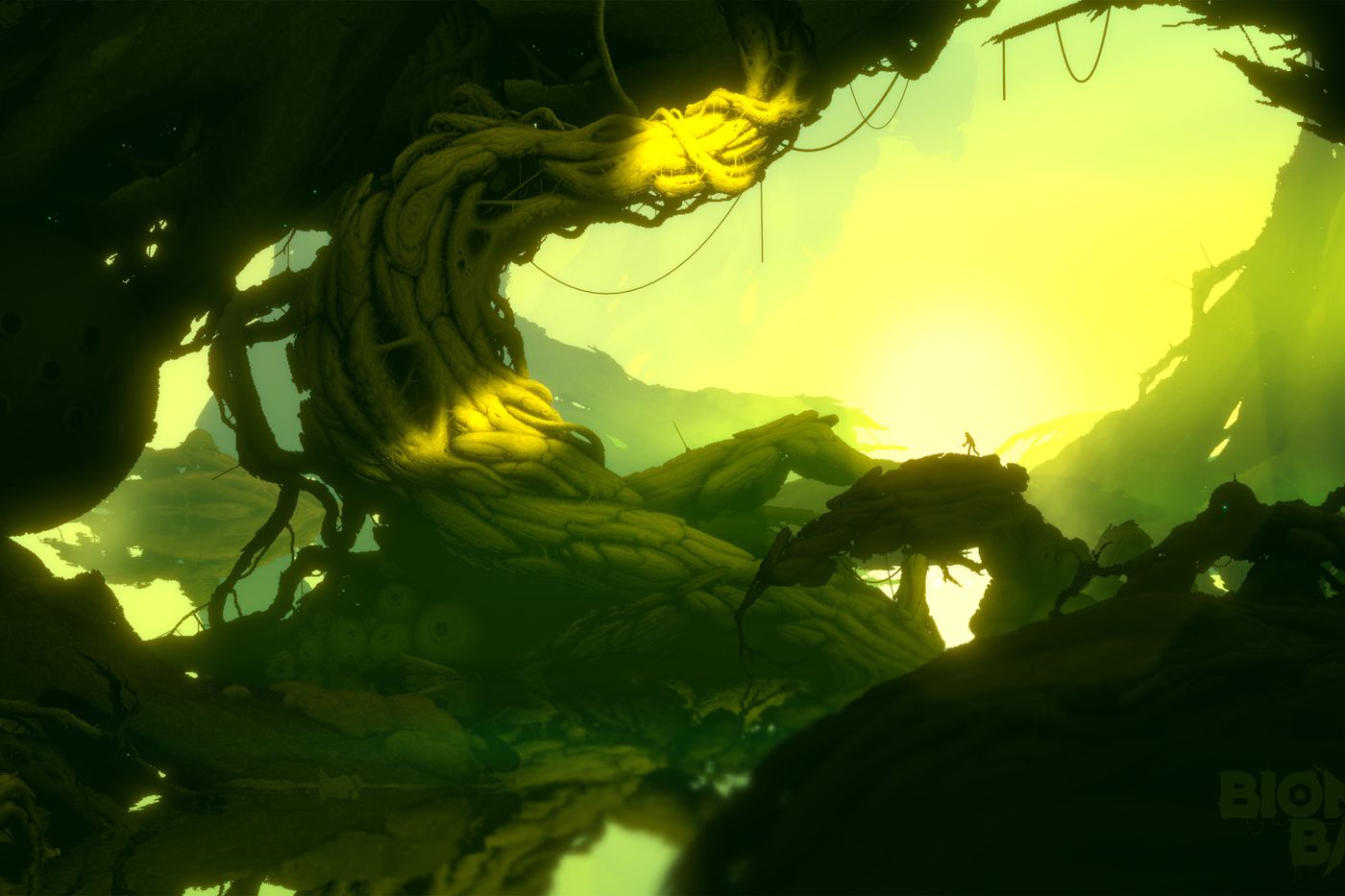
Photo: IGDB
Such a tiny download (a little over 280mb) for this mighty, gigantic-feeling game. At choice moments, the camera of Bionic Bay zooms out to demonstrate just how small your pixel-art character is set against the enormous biomechanical structures which you’re navigating. But this is no wistful indie meditation on loneliness but a hard-as-nails 2-D physics-platformer in which timing and momentum are key. Within the first hour or so, you’ll be jumping on the back of a fast-moving rocket in order to bypass killer lasers; from there, it only gets more demanding. Still, because the checkpoints are so generous, it means that there is rarely much punishment for failure. The reward, beyond satisfaction or relief (depending on how long you get stuck), are those views: dread and wonder at an impossible, unearthly scale.
(PC, PlayStation 5,Xbox Series S/X)
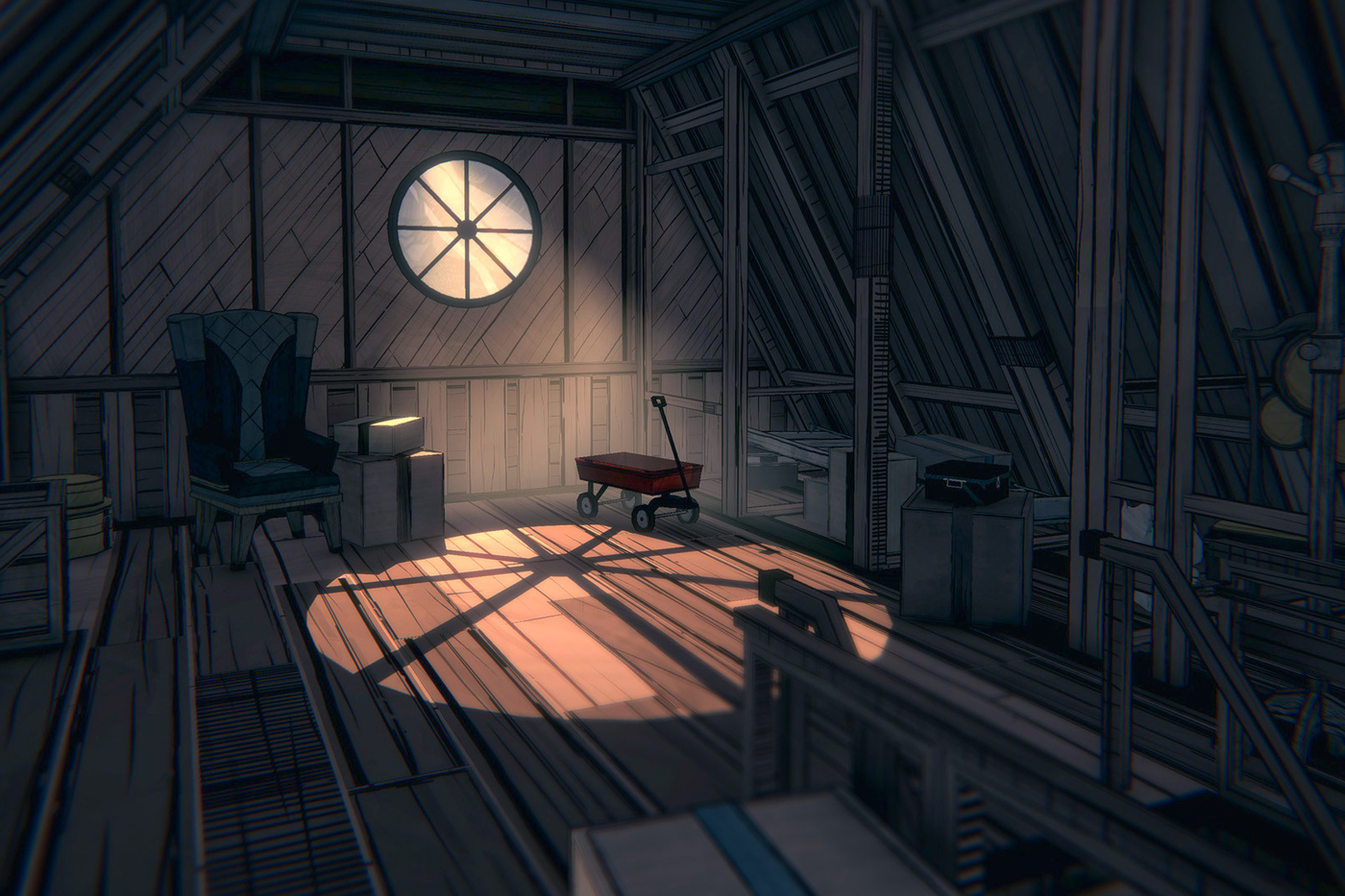
Photo: Raw Fury
Depending on your own compulsion for puzzle solving, rolling credits on Blue Prince may actually arrive closer to the start of your journey than the end. The game’s length is a masterful trick of obfuscation in a game that trusts you to figure out things for yourself. You play as teenager Simon, heir apparent to a freaky mansion whose floor plan resets each evening. The following morning, you must construct the mansion from scratch, given, at any one time, a choice of three rooms containing objects useful to your ultimate goal: reaching the elusive antechamber. This is both a game of dumb luck (rolling rooms evokes the base thrill of slot machines) and bookish smarts (make sure you have a notepad ready). It may sound dizzying and, honestly, a little (okay, a lot) esoteric on paper, yet Blue Prince plays seamlessly. Following 2024’s Animal Well and Lorelei and the Laser Eyes, it’s the latest title to propel the puzzle genre to all-new — and weird — heights.
(PC, PlayStation 4, PlayStation 5, Xbox One, Xbox Series S/X)
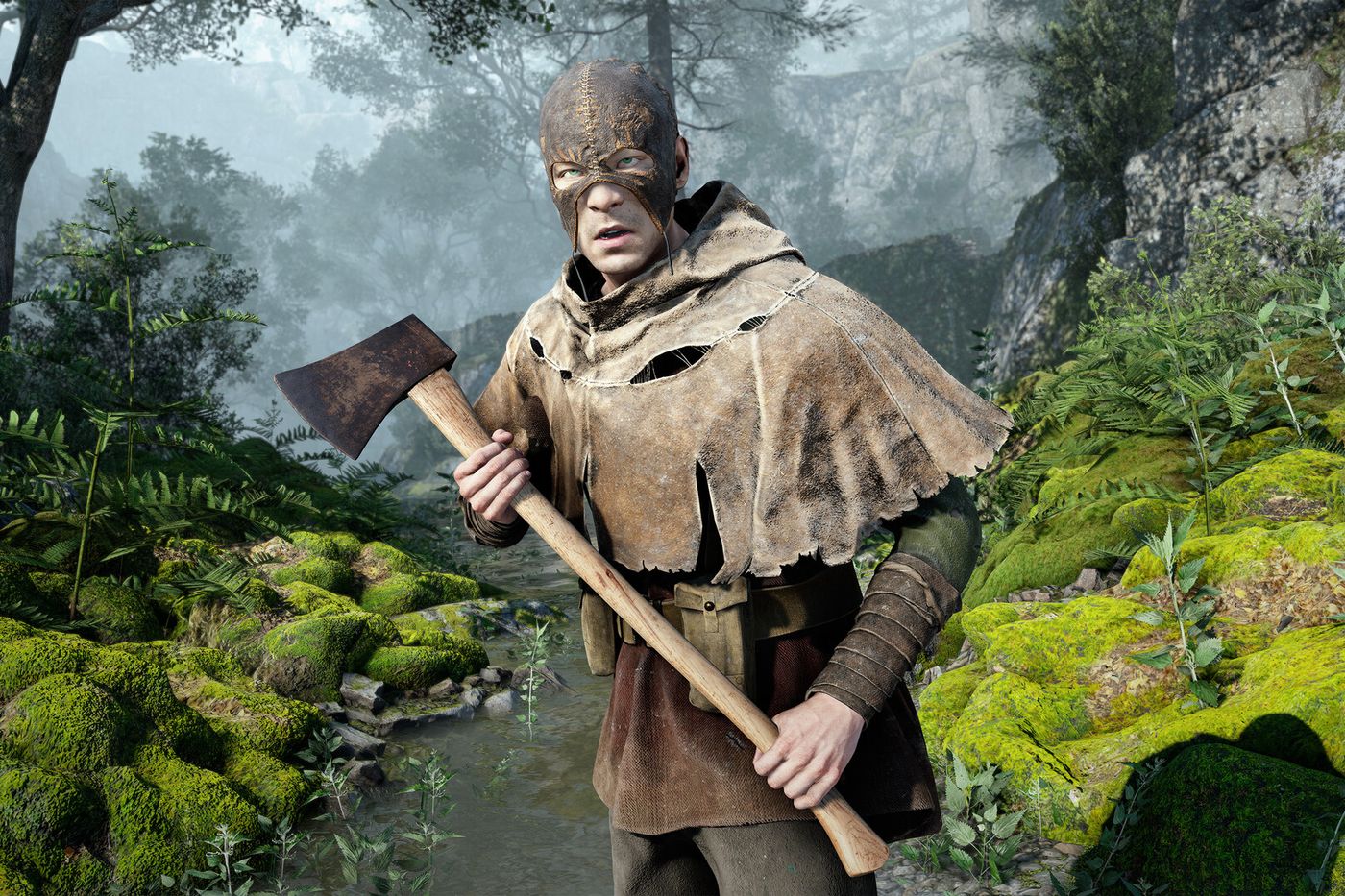
Photo: Rebellion
Atomfall delivers a very British postapocalypse. Here, societal breakdown is framed by winding hedgerows and ancient dry stone walls, the color of verdant sheep-chowed grass. The year is 1962, five years on from the real-world Windscale atomic-reactor fire (the worst nuclear disaster the U.K. has ever experienced). In this alt-history fiction, that event turned out to be even more strange and severe; it is up to you to find out what happened by tracking down every last lead across evocatively named locales such as Slatten Dale and Skethermoor. As a mystery, this is absorbing stuff; as a stealth-survival adventure, it is merely middling. Atomfall doesn’t get everything right, but by George, it gets England right. Here is a rich, crisis-laden microcosm of the green and pleasant land.
(PC)
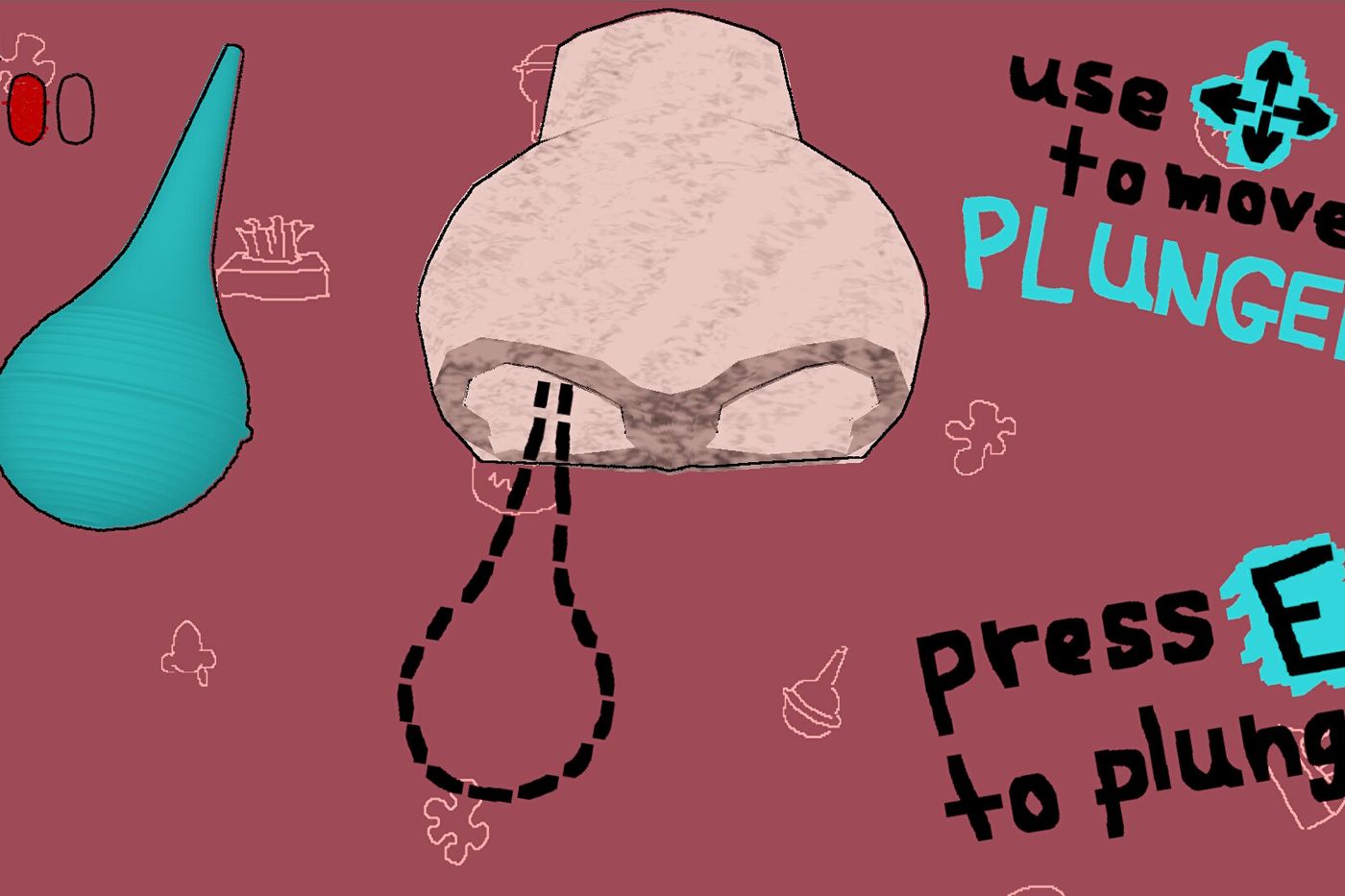
Photo: Essay Games
There is no shortage of gruff, macho dads in video games trying to do right by their kids: Joel in The Last of Us, demigod Kratos in God of War Ragnarök. But neither feel so real as the father you play in Bundle of Joy who wakes up at 4 a.m. with blood-shot eyes and blearily splodges cream over his baby’s atomic-red butt. What follows is no grand adventure but a series of repeating days, filled with repeating tasks, delivered via lo-fi and hilarious WarioWare-esque mini-games. Fasten snaps on babygrows! Wipe down mucky high chairs! Try to get a pair of tiny socks on the baby’s feet! The action takes place to chintzy, cheerful music that only exacerbates feelings of blood-boiling frustration. Yet for all the stress, Bundle of Joy makes room for joy, sadness, and connection, covering more emotional ground in one hour than most blockbusters manage in 50.
(PC, PlayStation 5, Xbox Series S/X)
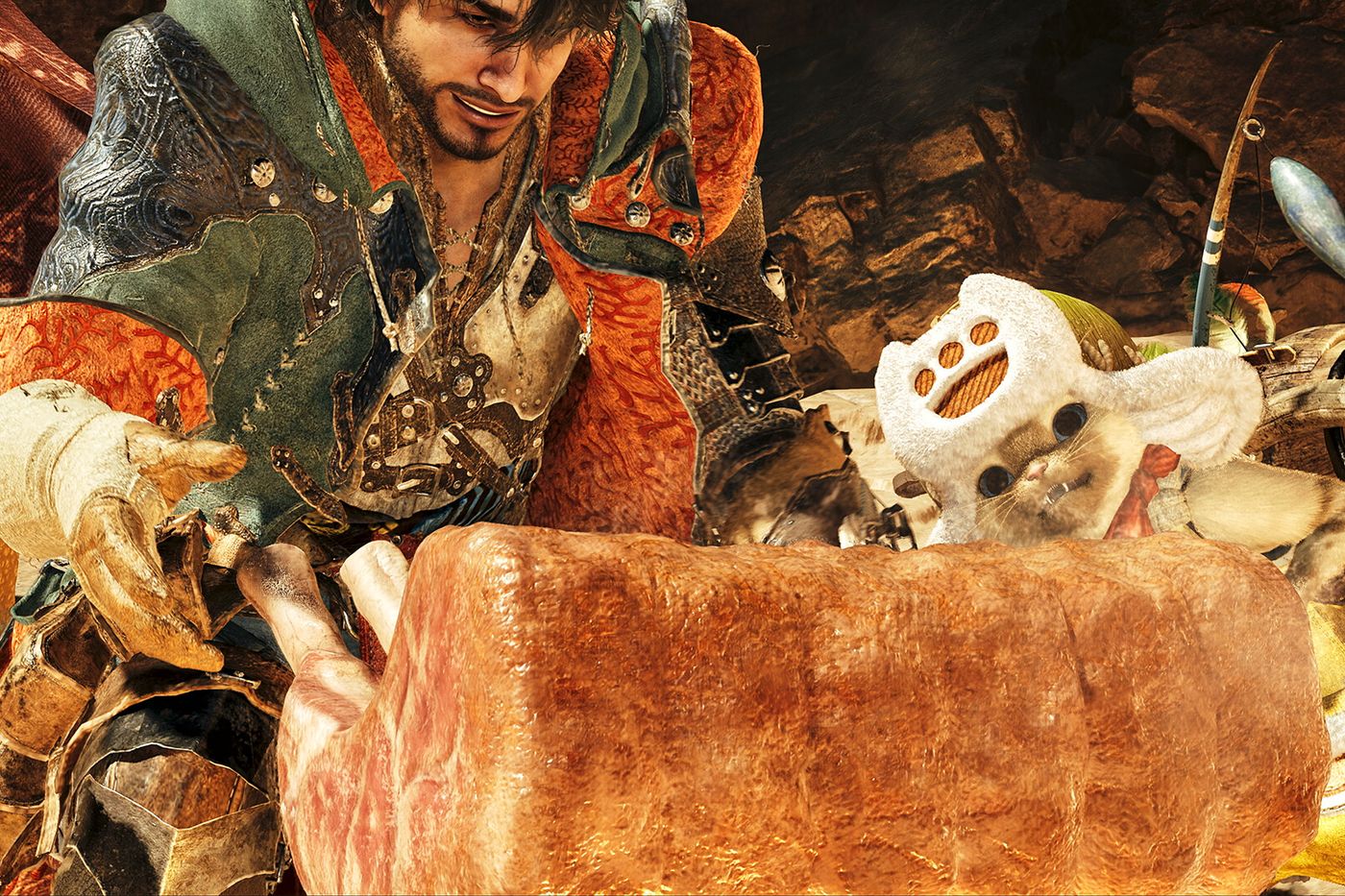
Photo: Capcom
Scuttling insects, blooming plants, sporing mushrooms, and the biggest apex predators a video game has ever thrown at you. Monster Hunter Wilds is part Mesozoic-ecosystem simulation, part big-game hunting romp. The showdowns with its signature behemoths, including a lightning dragon named Rey Dau, are dynamic, desperate, and thrilling. Then, at the end of each fight, you carve up the fallen foe’s cadaver, plying the resources back into monster-festooned gear. More so than any game in the franchise since it began in 2004, the dissonant elements of Wilds harmonize: Your role as the dutiful protector of teeming environments is emphasized; you’re encouraged to understand ecological ebbs and flows. The resulting game evokes the bombast of Japanese kaiju movies, the wonder of prestige nature documentaries, and sometimes even the brutality of factory farming, all while remaining its own undeniably majestic beast.
(PC, PlayStation 5, Xbox Series S/X)
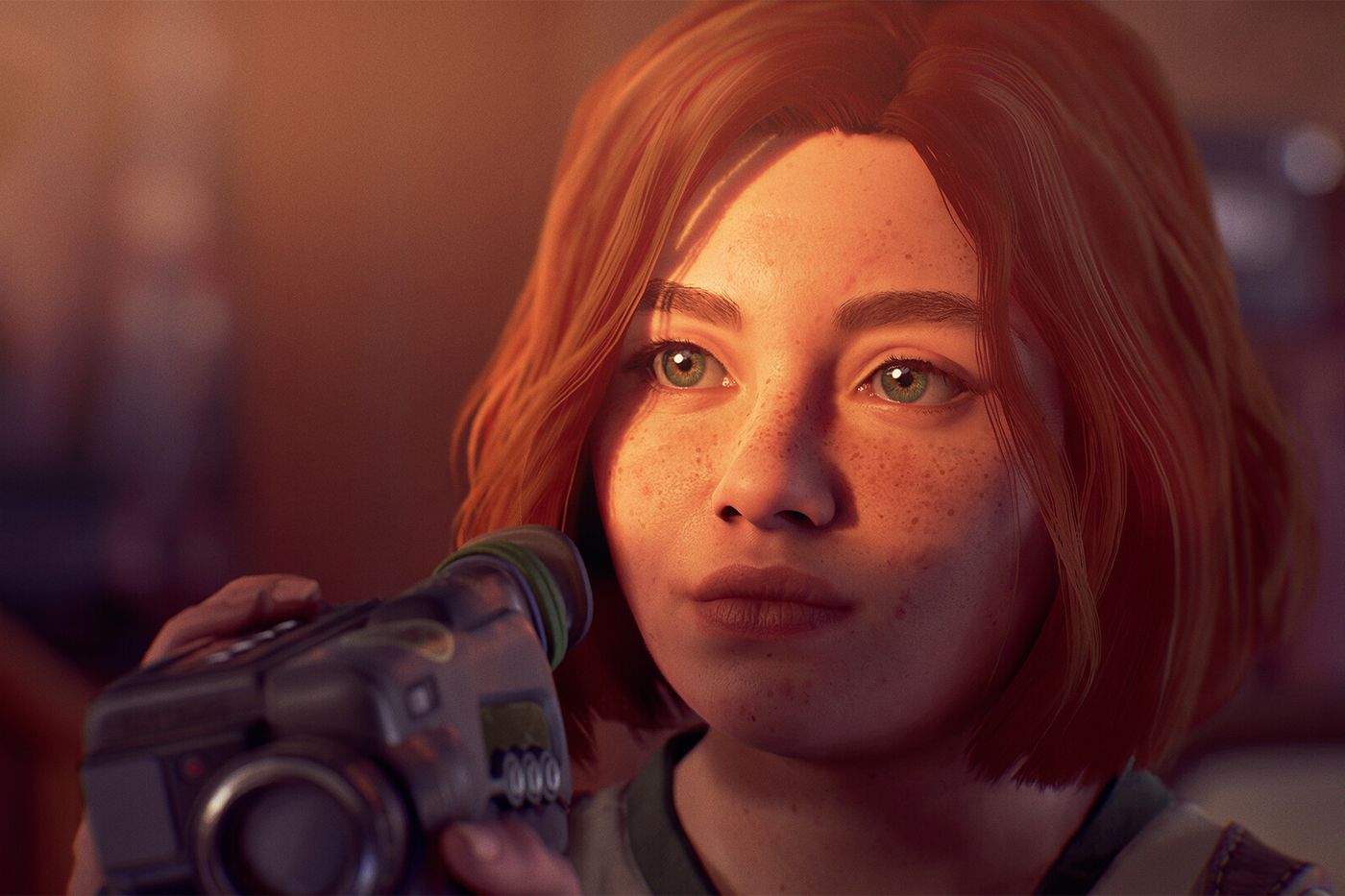
Photo: DON’T NOD
Sleater-Kinney, Bikini Kill, and the Cocteau Twins — the references in Lost Records: Bloom & Rage may ooze ’90s underground cool, but this narrative-adventure game is not aloof; it is strikingly sweet and earnest. There are shades of coming-of-age greats like Richard Linklater’s movies and Stand by Me in the small-town, summertime adventure that unfolds. But Lost Records’s strength lies in letting the player subtly shape the narrative, choosing what kind of person the awkward, amateur moviemaker Swann comes to be through dialogue choices, actions, and, crucially, what she chooses to film with her camera. Like a TikTok account presenting a vision of a woodsy Americana past, the beautifully textured world here is inviting. But it’s not sanitized: The ’90s was hardly an idyllic era, especially for teenage girls. Lost Records: Bloom & Rage has the emotional maturity to be honest about what it so clearly loves.
(PC)
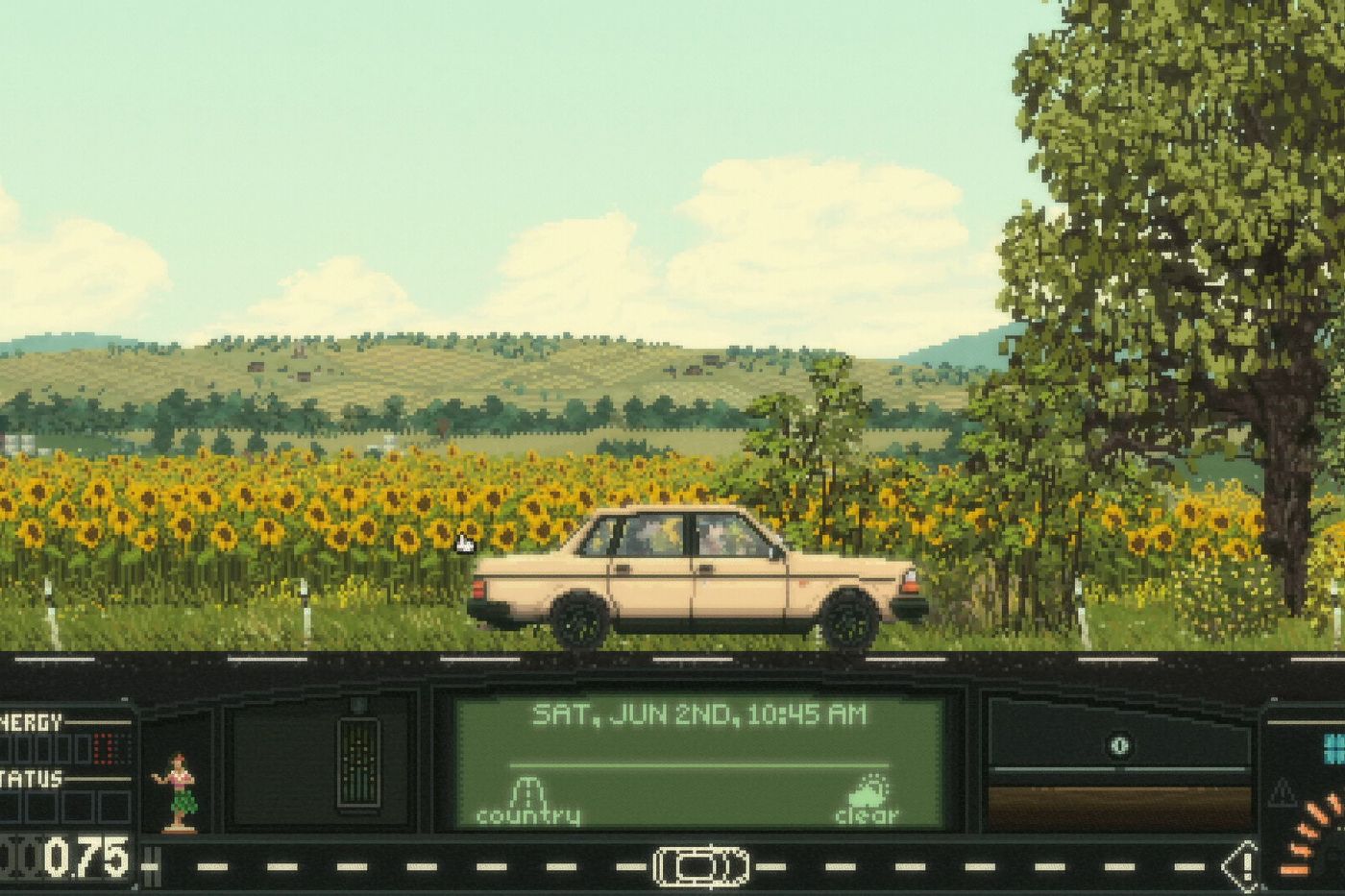
Photo: YCJY Games
The essence of the road trip is more than a sense of unfettered freedom on miles of asphalt. It is the small rituals that accumulate into something more profound: conversations that veer between banal and cosmic, sustenance on sugary snacks and scalding cups of coffee, pulling into a gas station and filling up not a cent more than your bank balance allows. Keep Driving, which bills itself as a “management RPG,” understands all of this, conjuring a quintessential road-tripping experience from small decisions rather than actual driving (which is nearly all automated). Which hitchhikers will you pick up? What will you play on the car stereo? Crucially, will you call Mom or Dad to bail you out of a sticky situation? Above all, time seems to function differently while chugging through these scrolling parallax landscapes. That’s what this gently poetic game offers even more than money: the time and space to figure things out.
(PC, PlayStation 5, Nintendo Switch, Xbox Series S/X)
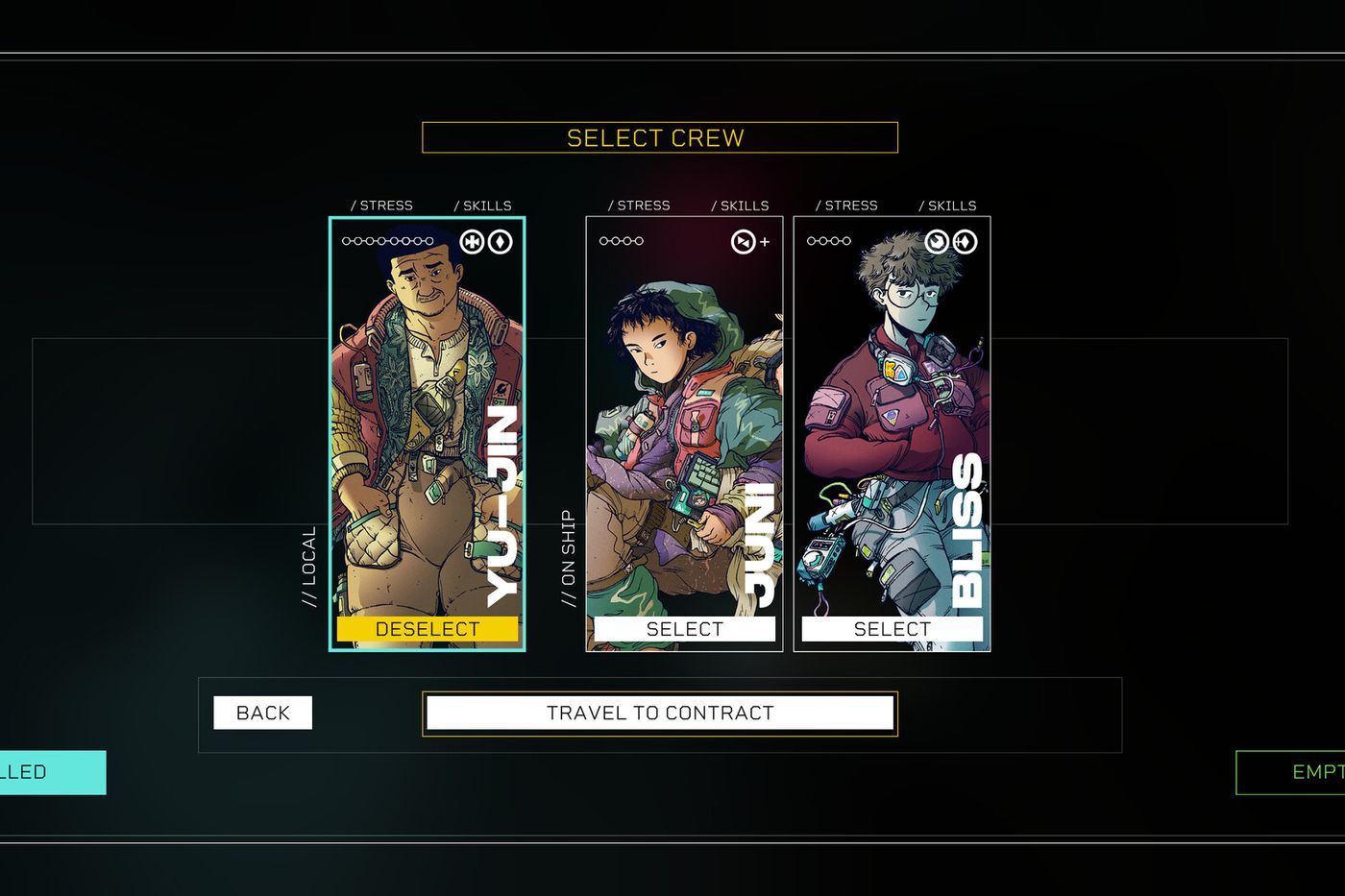
Photo: Jump Over the Age
Amid the twinkling stars of a far-distant galaxy, life grinds on. This sequel to a 2022 indie darling casts you as a Sleeper, a robot worker fleeing their gang-boss captor. It has the look and feel of a tabletop board game, shuttling you about locations on a galactic map where there are cyborg misfits to talk to and freelance gigs to pick up. But this is not a staid game; it bristles with life through achingly pretty prose and mechanics that drive home the precarious existence of its itinerant protagonist. With every heart-in-mouth die roll, and only a certain number of turns to play with until your pursuer finds you, this is a brilliantly tense sci-fi RPG. Yet failure of a particular task or major story beat does not spell game over but thrusts you into what could be an even more stressful situation. Out of the frying pan and into the cosmic abyss.
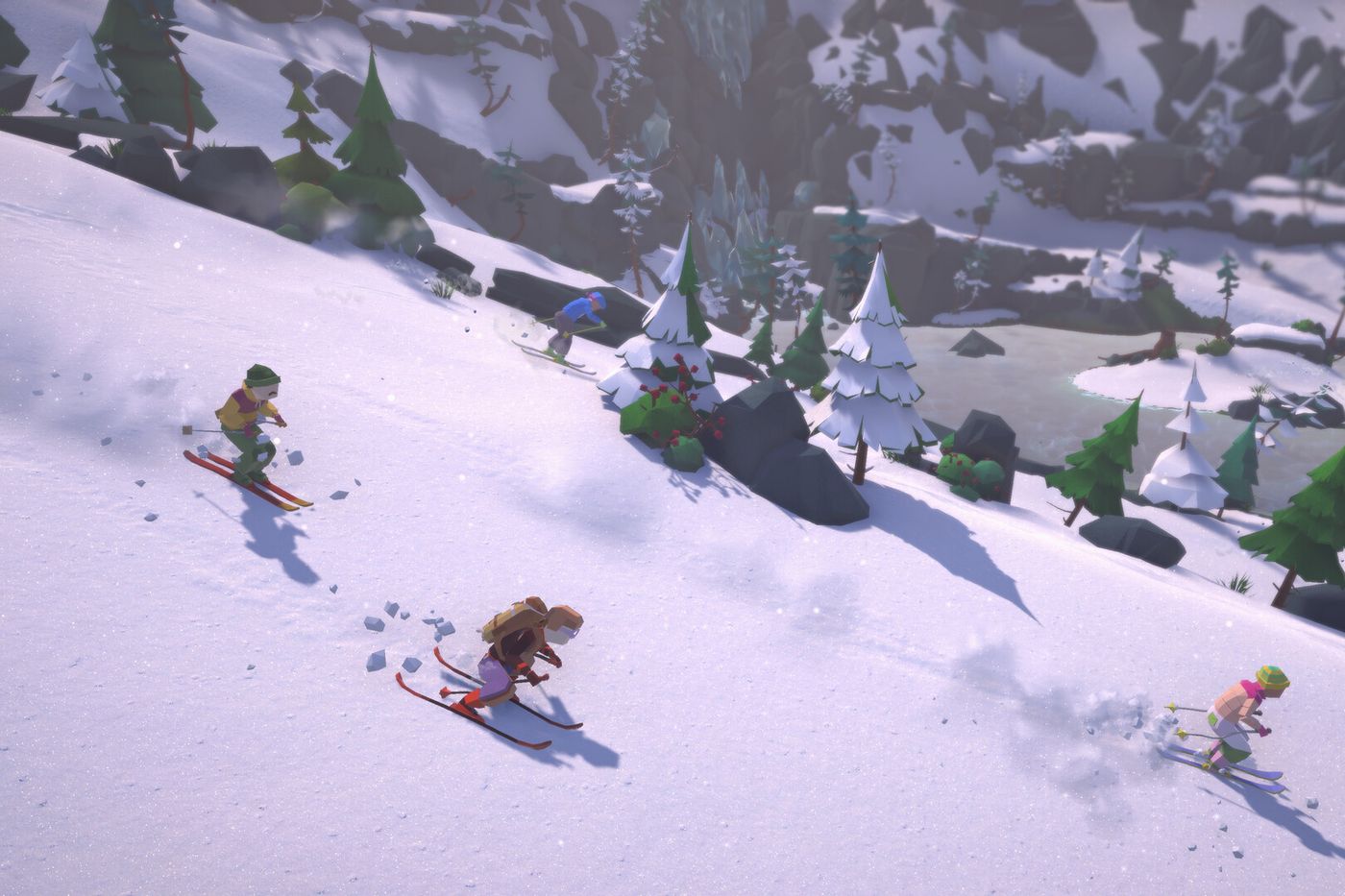
Photo: Megagon Industries
Screenshots don’t do Lonely Mountains: Snow Riders justice. You have to see this skiing game in motion to understand its wondrous summoning of alpine landscapes: light that shifts subtly as the sun moves behind clouds, the vision-obstructing swirl of a heavy blizzard, the way your skis cut deeply into freshly fallen snow. Perhaps surprisingly, this stunningly rendered scenery is the site of a most conventional sports game, one of time trials, gear-unlocks, and bone-breaking crashes. But what might have been a brash extreme-sports experience in the hands of another developer is one of almost zenlike serenity in the hands of Berlin studio Megagon Industries. It is just you, the mountain, and whistling, icy wind.