
SCIENTISTS ARE NOW GROWING HUMAN BRAIN TISSUE IN LABS. THE ETHICAL NIGHTMARE HAS BEGUN.
In secretive labs, scientists are growing clusters of human brain cells that LIVE for YEARS. These “brain organoids” are being used in experiments that sound like science fiction, including transplanting them into the brains of RATS. The goal? To study autism and schizophrenia. The cost? Our very humanity.
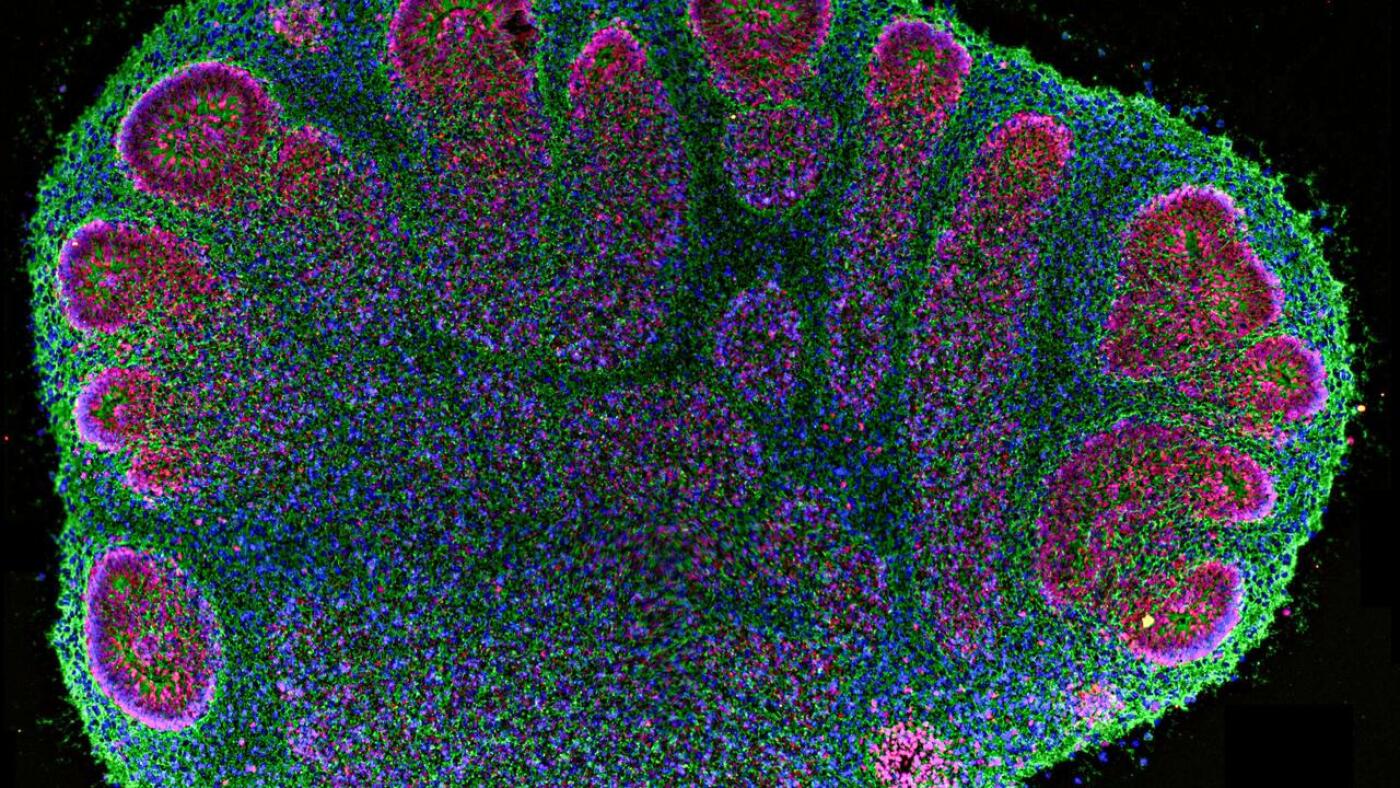
“WE ARE TALKING ABOUT AN ORGAN THAT IS AT THE SEAT OF HUMAN CONSCIOUSNESS,” warns bioethicist Insoo Hyun. Yet, researchers like Stanford’s Dr. Sergiu Pașca are pushing forward, creating networks of these organoids that model human pain pathways. A shocking image from the Institut Pasteur and NASA shows the eerie, fluorescent reality of a two-month-old cerebral organoid—a tiny, lab-grown piece of a human brain.
Who is asking the hard questions? While scientists and patient advocates at a recent closed-door meeting in California talked about cures, the media is being blamed for causing “public perception problems” by calling them “mini-brains.” But the public’s fear is justified. Ethicists admit the line is blurring fast, especially as scientists link organoids into more complex “assembloids.” The same ethical firestorm from stem cell research two decades ago is BACK, and this time the human cells are THRIVING inside animals.
The scientists themselves admit guidelines are needed “to ensure that organoid research doesn’t harm, or horrify, people.” They met at the historic Asilomar conference center—the same place that set rules for genetic engineering 50 years ago—hoping to get ahead of the disaster.
They are building the components of a human mind in a dish, and the only thing stopping them is a conversation they don’t want you to hear.

Author: Kayitsi.com