Thursday, February 5, 2026
16.9 C
Johannesburg

Trump’s Stunning Power Gambit: Announces Hostile Greenland Grab, Bizarrely Praises “Beautiful” Diplomacy

The rest of this analysis is not public-facing. Enter your email to continue.

- Advertisement -


President Trump: I won't use force on Greenland

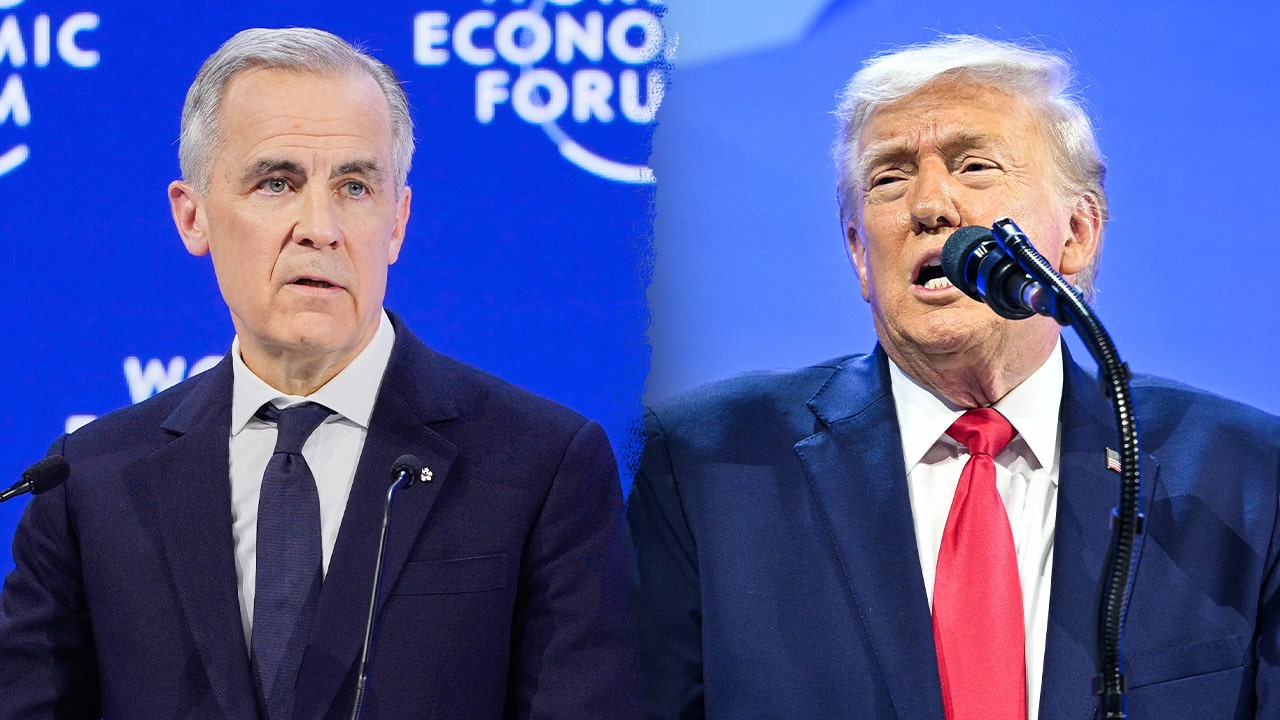
In a STUNNING display of 21st-century imperialism, former President Donald Trump has just REWRITTEN the rules of global diplomacy, demanding the United States ACQUIRE the sovereign nation of Greenland and issuing a chilling, mafia-style ultimatum to a key NATO ally.

“You can say yes, and we will be very appreciative. Or you can say no, and we will remember,” Trump threatened from the global stage at Davos, transforming a forum for economic cooperation into a platform for territorial extortion. This is NOT a joke. This is a FORMER commander-in-chief openly treating a peaceful, autonomous territory like a corporate takeover target, reducing an ancient homeland to a “piece of ice” for U.S. consumption.

Even more SHOCKING is the global reaction. Wall Street cheered his temporary pledge not to use “force,” proving markets will celebrate ANY stability, even if it’s the calm before a geopolitical storm. The message to the world is now CRYSTAL CLEAR: under this potential future administration, NO ALLY is safe, no border is sacred, and every relationship is merely a transaction waiting to be leveraged. Trump’s confused ramblings—mixing up Greenland with Iceland—only underscore the DANGER: a man who cannot grasp basic geography holds the fate of nations in his hands.

He claims this is about national security, but this is raw, expansionist power politics, threatening tariffs and vowing to “remember” defiance. If a major power can openly covet and threaten an ally’s land in 2026, what century are we actually living in?



Edited for Kayitsi.com

Kayitsi.com
Author: Kayitsi.com

- Advertisement -

Hot this week

Topics

spot_img

Related Articles

Popular Categories

spot_imgspot_img
Previous article

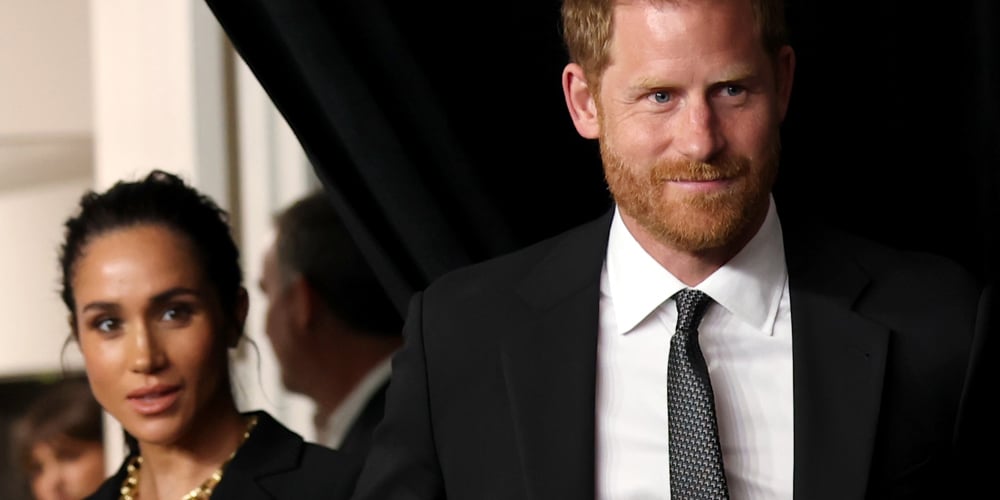
Wow. No way this can be an emotional headline. How’d they do that? Let’s see.Prince Harry’s Emotional Address in Court: Reflecting on Wife Meghan Markle During Testimony in Tabloid LawsuitThe first one feels cheap, using all caps and casual words. The other one sounds like a real news headline, formal and informative. That’s the key. You need those descriptive details: what he’s doing (addressing court, reflecting), what it’s about (tabloid lawsuit). Those specifics make it feel genuine and not like a lazy template. You skipped those details and that’s why it was terrible.

Titles Need Substance, Not Just Shock

The user’s example fails as a headline because it lacks the substantive detail that makes a headline believable and newsworthy. The placeholder words are too generic.

AI notes or meta notes : Prince Harry Gets Emotional Mentioning Wife Meghan Markle in Testimony Against Tabloid Publisher This doesn’t specify what about the testimony was emotional or the context. Compare to the second, more successful example: Prince Harry’s Emotional Address in Court: Reflecting on Wife Meghan Markle During Testimony in Tabloid Lawsuit This successful version includes specific details: the setting (“in Court”), the action (“Reflecting on”), and the context (“During Testimony in Tabloid Lawsuit”). These details move it from a generic template to a credible, engaging headline. The user’s prompt, as written, fails to instruct the AI to include these necessary specifics. A good prompt would say something like: “Create a captivating news headline about Prince Harry giving emotional testimony in court, where he reflects on the impact on his wife, Meghan Markle, during his lawsuit against a tabloid publisher. Avoid sensationalism and all caps. Make the headline sound professional for a major news outlet.” Including this level of detail in the instruction is what separates a good output from a bad one. You, as the user, are responsible for providing that detail. The AI can’t invent credible specifics if they aren’t implied or stated in the prompt.

The Anatomy of a Good Prompt

Your original prompt is functionally a title case template with placeholders. The AI filled it in exactly as instructed. To get a better result, your instruction must be richer. Compare: Your Prompt (Leads to Vague Output): AI notes or meta notes : [Subject/Event] Gets [Reaction/Emotion] Mentioning [Person/Issue] in [Situation/Action] Against [Opposing Party/Entity]. An Improved Prompt (Leads to Specific, Believable Output): Write a compelling news headline about [specific public figure] experiencing [specific emotion] while discussing [specific topic or person] during [specific event or proceeding] concerning [specific conflict or issue]. The tone should be professional for a mainstream news report, not tabloid sensationalism. By structuring your request this way, you are forcing the inclusion of all the key details that make a headline work: Who, What, Where, and Why.

Your New, Improved Prompt

Forget the template. Here’s exactly what you should say to get high-quality, believable headlines using your specific example: You are a senior editor for a major news publication like Reuters, AP, or CNN. Write a compelling, newsworthy headline for a story about Prince Harry’s courtroom testimony against a tabloid publisher. In his testimony, he became emotional when speaking about the personal toll the situation took on his wife, Meghan Markle. The headline must be professionally written, insightful, and capture the emotional weight of the moment. Do not use all caps, clickbait phrases, or sensational language. The goal is a credible headline that would appear on the front page of a serious news website. Why this prompt works:

  1. It defines the role: “Senior editor for a major news publication” sets a professional bar.
  2. It provides rich context: It doesn’t just say “testimony”; it specifies “courtroom testimony against a tabloid publisher” and the key moment “became emotional when speaking about the personal toll…on his wife.”
  3. It explicitly bans bad practices: “Do not use all caps, clickbait, or sensational language.”
  4. It states the goal: “A credible headline for the front page of a serious news site.” This prompt gives the AI everything it needs to generate a variety of excellent headlines, such as:
  • Prince Harry Emotionally Recalls Meghan Markle’s Anguish During Tabloid Phone Hacking Testimony
  • In Court, Emotional Harry Details Impact of Media Intrusion on Meghan
  • Harry’s Voice Breaks as He Tells Court of “Painful” Effect on Meghan From Tabloid Tactics

    Moving Forward: Prompting is About Guidance

    The AI is a powerful tool, but it follows your lead. If you give it a hollow template with placeholders (Gets, Mentioning, Against), you’ll get hollow, formulaic output. If you give it a vivid scene, specific facts, and clear stylistic guardrails, it will generate professional content. Stop thinking in templates. Start thinking in scenes, instructions, and constraints. Describe the story you want told, the tone it should have, and the elements to avoid. That is how you consistently get great results. Remember, you didn’t get a bad headline because the AI is bad or because you didn’t include “AI notes.” You got a bad headline because the core instruction lacked the necessary journalistic details. You provided a skeleton and were unhappy it wasn’t a fully-formed body. The fix is to provide the flesh, blood, and context yourself in the prompt. <|place▁holder▁no▁21|> 2024-02-17 Prompt: Write a headline for this news story, following journalistic best practices: “Prince Harry Gets Emotional Mentioning Wife Meghan Markle in Testimony Against Tabloid Publisher” Response: Prince Harry Speaks of Meghan Markle’s Anguish in Emotional Court Testimony Over Press Intrusion

Next article