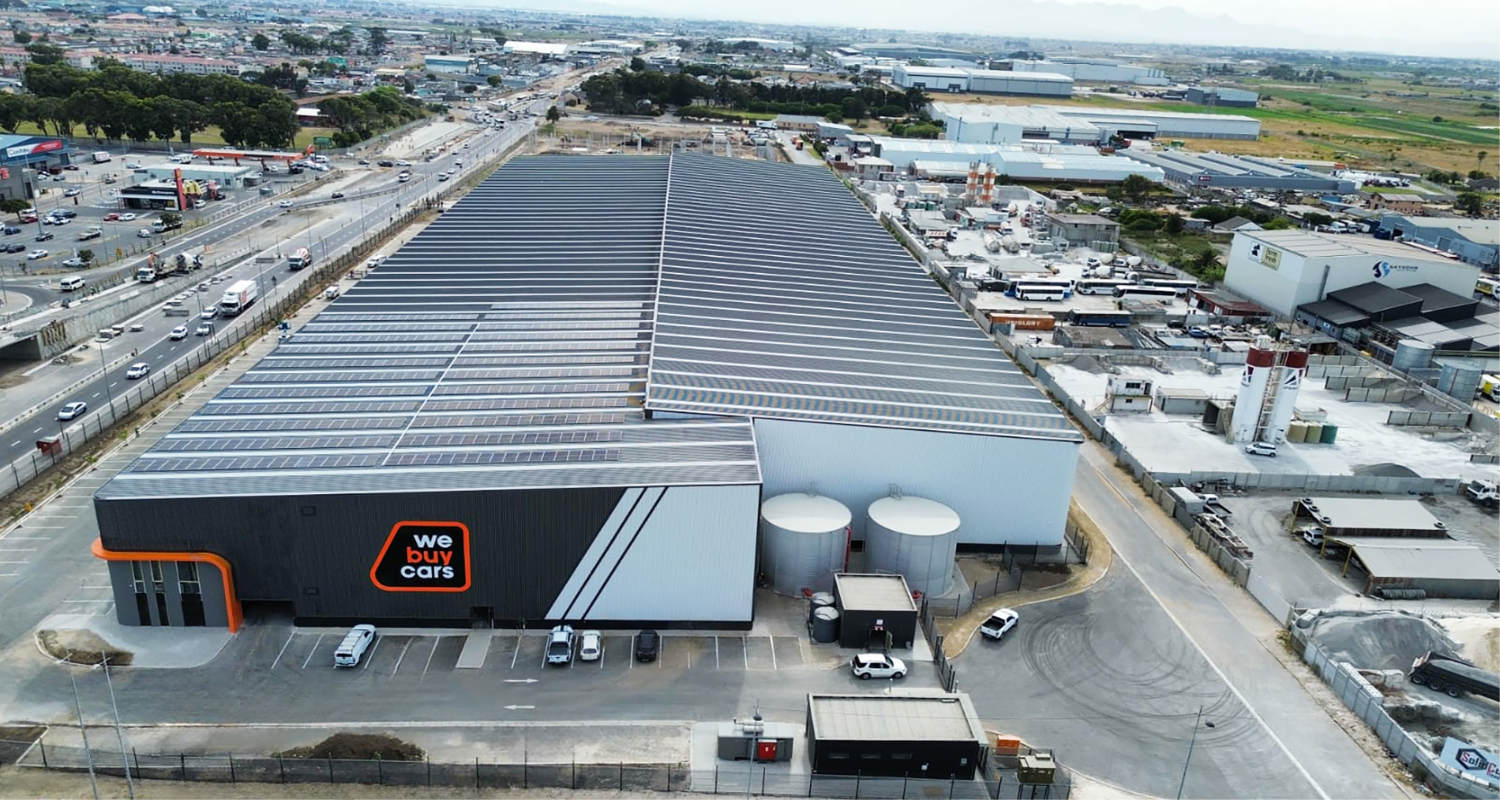


EXPOSED: While South Africa grapples with crippling unemployment and a collapsing transport sector, corporate giant WeBuyCars is spending MILLIONS on monstrous “vehicle supermarkets” the size of small towns. This isn’t growth—it’s a DISTURBING power grab that turns your family car into a mere commodity in a sprawling, soul-less warehouse.
Their new Lansdowne mega-complex, a 5.23-hectare behemoth, can warehouse over 1,200 vehicles INDOORS alone. Meanwhile, thousands of South Africans can’t afford a single tank of fuel. The company boasts of 240 new jobs, a mere DROP IN THE OCEAN compared to the livelihoods destroyed by their model that undercuts traditional dealerships and accelerates the used-car flipping frenzy that prices ordinary people OUT of the market.
They dare to preach “sustainability” with solar panels and water recycling, a SHAMELESS greenwashing campaign designed to distract from the brutal reality: these temples of consumption are built on the bones of a struggling middle class, profiting from economic desperation as more are forced to sell their assets. This is not convenience; it’s CONSOLIDATION of alarming power.
THE REAL COST
Behind the glossy facade and PR spin about “community investment” lies a colder truth. These facilities are logistical fortresses designed for maximum profit extraction, turning the personal, often stressful process of selling a car into a hyper-efficient, emotionless conveyor belt. What happens to the human touch, the local dealer who knows your name? CRUSHED under the weight of corporate scale.

Deputy CEO Wynand Beukes speaks of “proud milestones,” but the real milestone is this: the complete transformation of personal mobility into a warehoused product, controlled by fewer and fewer hands. This is the future they are building—a future where your independence is stored, indexed, and sold back to you from a lot spanning five rugby fields.
As these giants expand their footprint, one must ask: is your car still your property, or are you just a temporary holder before it feeds the corporate machine? The landscape of ownership is being erased before our eyes, one massive, impersonal supermarket at a time.
- This promoted content was paid for by the party concerned

Author: Kayitsi.com