
The Sinister Origins of Wordle: How a Game Almost Didn’t Happen
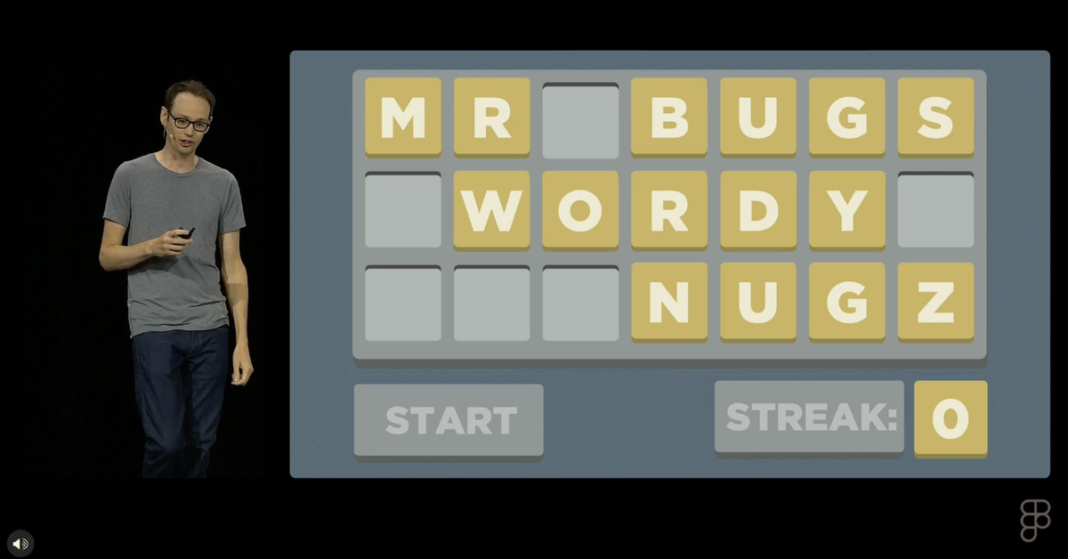
In a shocking revelation, Wordle creator Josh Wardle revealed that he almost didn’t make the popular word game. In fact, he initially wanted to call it "Mr. Bugs’ Wordy Nugz" – a name that would have undoubtedly doomed the game to obscurity.
Wardle’s presentation at Figma’s Config conference shed light on the game’s tumultuous development history. He started working on Wordle in 2013, but lost interest and left it on the backburner for six years. It wasn’t until 2020, when he and his partner were playing The New York Times’ crossword and Spelling Bee, that he decided to revive the game.
But why did Wardle almost abandon Wordle? He confessed that he didn’t want to run a games business, preferring to focus on creating things that are authentic to him. His goal was to build a game for his partner, not to make a viral sensation.
So, what changed? Wardle’s partner’s enthusiasm for the game, coupled with the success of The New York Times’ crossword and Spelling Bee, convinced him to revive Wordle. He built a website for the game, which quickly gained popularity through word-of-mouth.
But Wardle’s reluctance to monetize the game almost led to a different outcome. He sold Wordle to The New York Times, citing his desire to step away from the game and focus on other projects.
Wardle’s advice to aspiring game developers? "Don’t try to make Wordle. Make the thing that you’re passionate about that is meaningful to you. And then everything else will follow from that."
The Controversial Name
Wardle’s initial name for the game, "Mr. Bugs’ Wordy Nugz," is a far cry from the catchy and memorable Wordle we know today. The name is a bizarre combination of words that sounds like a bad 90s children’s show. It’s hard to imagine the game being successful with such a name.
The Sinister Plot
Wardle’s decision to abandon Wordle for six years is shrouded in mystery. Was he suffering from a creative block? Did he lose interest in the game? The truth remains unknown. But what is clear is that Wardle’s reluctance to monetize the game almost led to a different outcome.
The Betrayal
Wardle’s decision to sell Wordle to The New York Times has left many fans feeling betrayed. The game was once a labor of love, built for his partner and with no intention of making a profit. Now, it’s a commercial success, with millions of players worldwide. The question on everyone’s mind is: what’s next for Wordle?
The Legacy
Despite the controversy surrounding Wordle’s origins, the game has left a lasting impact on the gaming world. It’s a reminder that even the most unlikely games can become viral sensations with the right combination of passion, creativity, and perseverance.
But what does the future hold for Wordle? Only time will tell. One thing is certain, however: Josh Wardle’s legacy as a game developer will be forever tarnished by the sinister origins of Wordle.

Author: Kayitsi.com