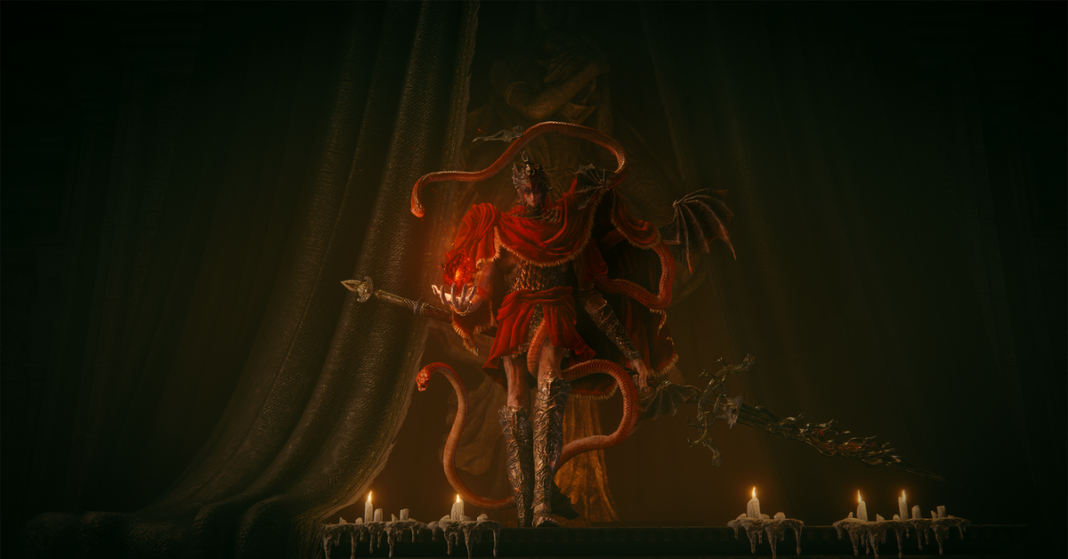

The Sinister Genius of FromSoftware’s Shadow of the Erdtree
As I delved deeper into the twisted world of Shadow of the Erdtree, the latest DLC for Elden Ring, I couldn’t help but feel that director Hidetaka Miyazaki was trolling me, the player, with an insidious intent. The game’s design was a masterclass in psychological warfare, expertly crafted to toy with my emotions and push me to the brink of insanity.
Miyazaki’s justification for the DLC’s difficulty was not only a thinly veiled attempt to justify the game’s sadistic streak but also a testament to his team’s dedication to creating an experience that defies convention. "We really pushed the envelope in terms of what we think can be withstood by the player," he said, his words dripping with menace.
But is this really justifiable? Is it worth sacrificing player enjoyment for the sake of proving a point? The answer lies in the game’s design, which rewards perseverance and cunning over brute strength. The difficulty curve is no accident; it’s a deliberate design choice meant to test the player’s skills and mental fortitude.
And so, I found myself stumbling through the game, dying again and again in creative and often hilarious ways. I was burned, bludgeoned, and exsanguinated, my character’s fate determined by the whims of the game’s sadistic AI. It was exhilarating, maddening, and completely addictive.
But is this truly what Miyazaki intended? Does he genuinely believe that players will find joy in this kind of suffering? "We tried to make that the foundation of the boss encounters of the DLC, so hopefully players will find it much more engaging and fun," he said, his tone dripping with sincerity.
Or was this just a clever ruse, a way to justify the game’s inhumane treatment of players? Is Miyazaki truly sorry for the suffering he inflicts upon us, or is this just a necessary evil in the pursuit of creating something truly unique and memorable?
One thing is certain: Shadow of the Erdtree is a game that will not appeal to everyone. It’s a game that demands patience, perseverance, and a healthy dose of masochism. But for those willing to take the leap, it’s an experience that will be both exhilarating and hellish, a true test of player endurance and willpower.
In the end, Miyazaki’s intent is clear: to create a game that is both a work of art and a form of psychological torture. And on that level, he has succeeded.

Author: Kayitsi.com