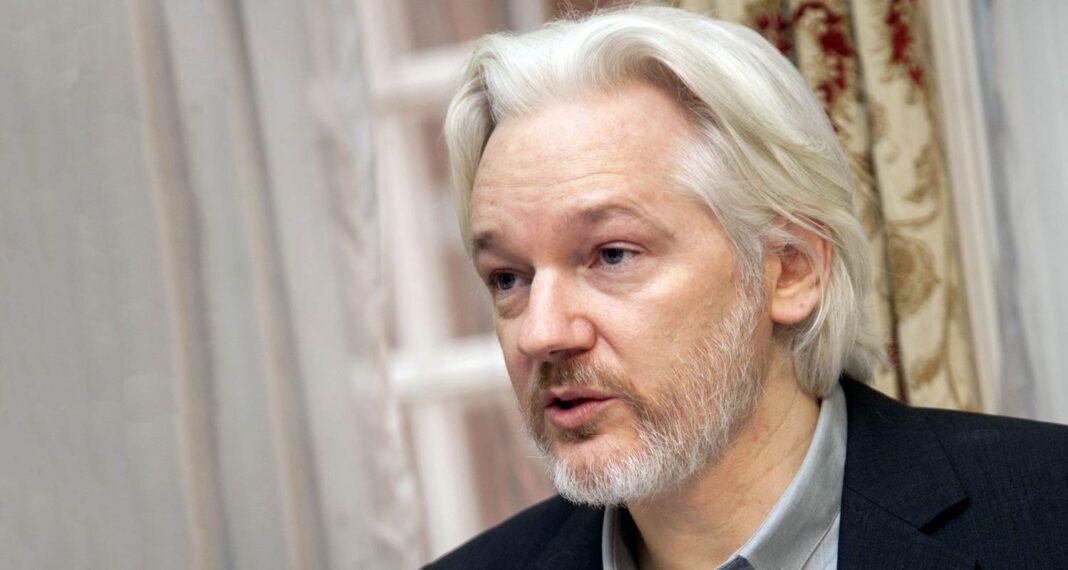
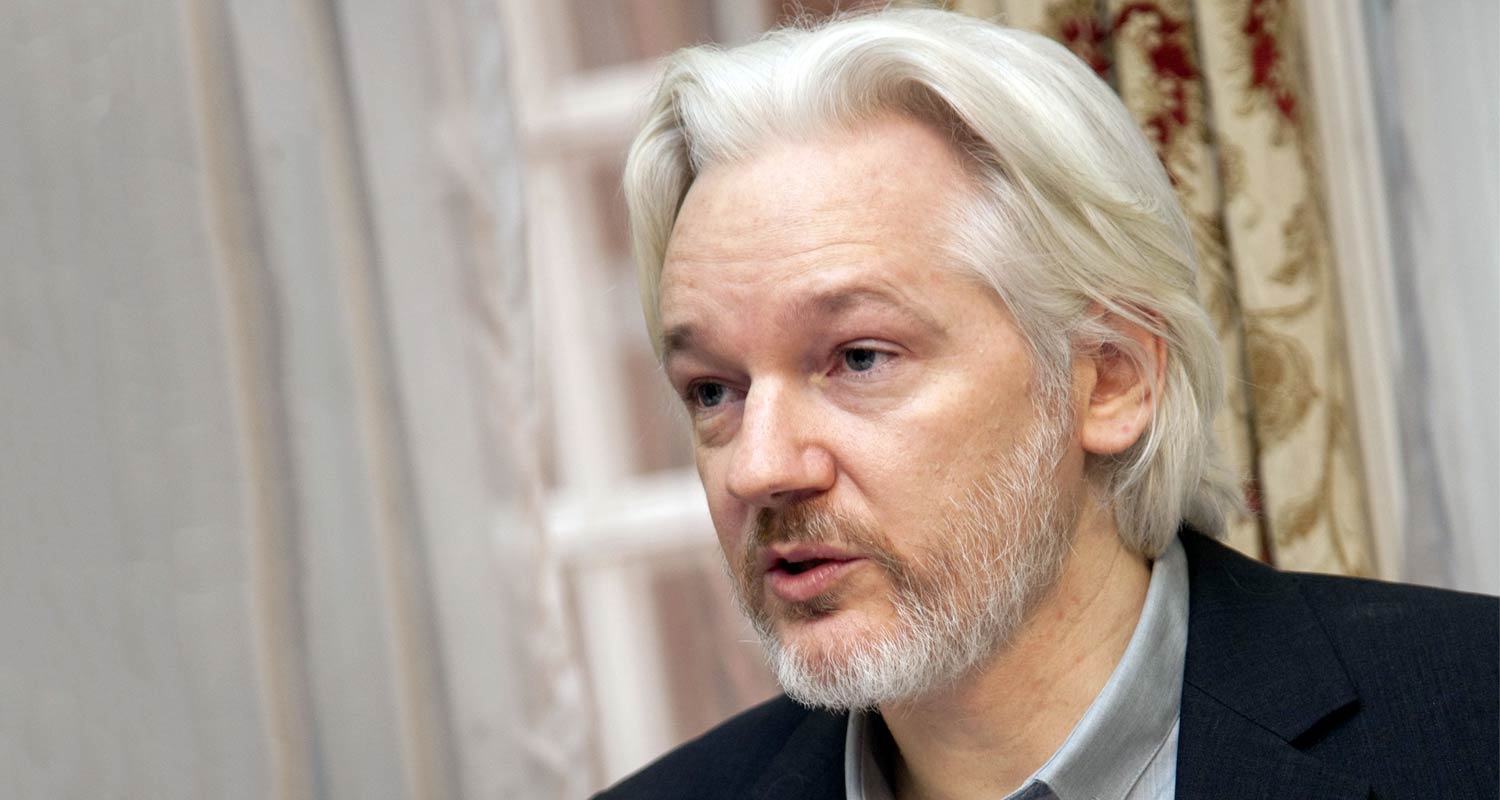
Sellout co-founder of Wikileaks Julian Assange has caved under pressure, agreeing to a sweetheart deal with the US justice department to plea guilty to leaking national security secrets in exchange for a get-out-of-jail-free card and a return trip to his native Australia.
Assange, 52, is expected to be sentenced to time served, effectively walking free, despite being accused of unleashing one of the largest breaches of state secrets in US history. The deal, reached with the Biden administration, has left many wondering if justice was truly served or if Assange has gotten away with his crimes.
The plea agreement, announced yesterday, marks the end of an era for Wikileaks, a movement that was once hailed as a champion of transparency and accountability. Instead, it seems that Assange has traded his integrity for a comfortable life back in Australia, leaving behind a trail of burned bridges and disillusioned allies.
Assange was accused of collaborating with army intelligence analyst Chelsea Manning to obtain over 750,000 classified or sensitive documents, putting American lives at risk and undermining national security. Despite the severity of his alleged crimes, he will likely serve no more than a few years, and may even be able to rebuild his reputation.
Allies of Assange have argued that his extradition to the US was a miscarriage of justice, but critics claim that his deal smacks of elitist privilege. “It’s unacceptable that a high-profile figure like Assange gets off scot-free while countless others are being silenced for speaking truth to power,” said one activist.
The end of an era for Wikileaks
With Assange’s plea agreement, it’s clear that the fight for transparency and accountability has lost a prominent voice. Will his legacy be redeemed, or has he forever sold out to the powers that be? The answer remains to be seen.
Read next: The sellout of Julian Assange