The Sinister Rise of Drones in South Africa: How Surveillance and Security are Undermining Freedom
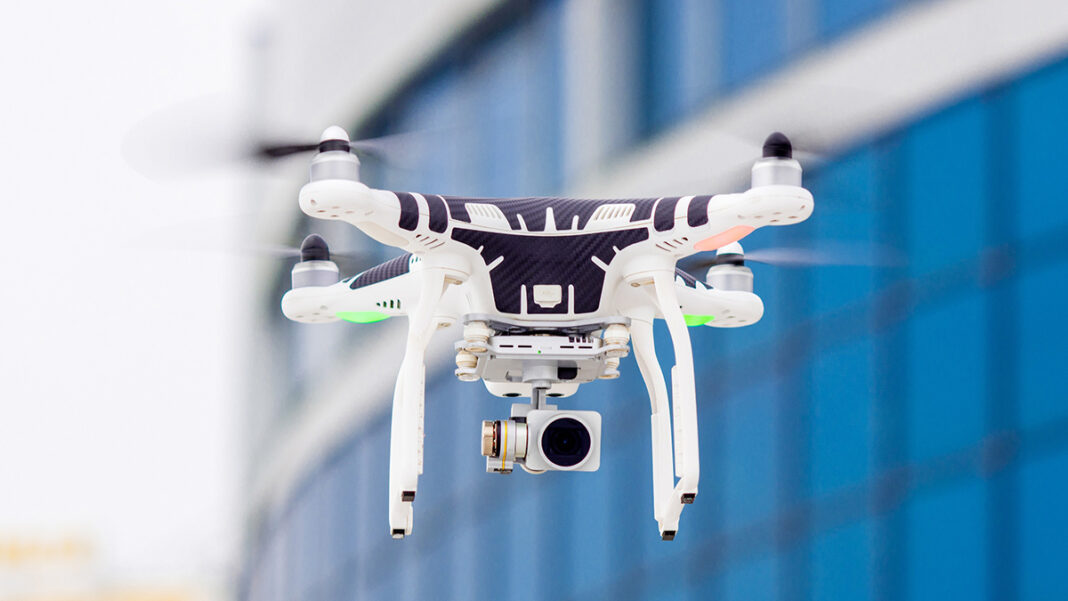
Drones are spreading like a plague across South Africa, transforming the country into a surveillance state where privacy and freedom are under constant attack. The once-peaceful skies are now dominated by unmanned aerial vehicles (UAVs), operated by private security firms and law enforcement agencies, gathering critical information on citizens, monitoring their every move, and tracking their whereabouts.
This is the harsh reality in South Africa, where drones are increasingly being used for security and surveillance purposes. The private sector, as well as the public sector, is adopting drones as a means to combat crime, monitor critical infrastructure, and maintain public order. But at what cost? The erosion of privacy and the potential for abuse of power are real concerns, as the use of drones for surveillance and security becomes more widespread.
Heico Kühn, COO of UDS UAV & Drone Solutions, notes that while SA has a rich legacy of using drones for security purposes, the adoption of drones has rapidly escalated over the last few years. "The bulk of commercial drones in the country are currently used for security and surveillance purposes. Most of these drones are used for mine security applications. Mines typically struggle with illegal mining activity and mining sites normally house equipment that contain copper, steel and diesel, and therefore experience a lot of theft. To combat this, most mines have deployed drones for perimeter surveillance and as a reaction tool that can guide ground forces to any suspects that have been spotted from the air."
But the use of drones for security and surveillance is not limited to the private sector. Law enforcement agencies, such as the South African Police Service, are also deploying drones to fight crime and monitor public order. The drones are equipped with advanced technologies, including thermal imaging, night vision, and AI-powered analytics, allowing them to gather critical information on suspects and track their movements.
Kopano Tholo, drone expert at insurance firm ITOO Special Risks, points out that the use of drones for security and surveillance is a growing concern. "These risks include potential damage to the drone itself, liability for injuries or property damage caused by the drone, and even legal expenses arising from accidents or regulatory violations. Without adequate insurance coverage, drone operators could face significant financial burdens in the event of an incident."
As the use of drones becomes more widespread, the need for drone insurance becomes increasingly important. Tholo notes that obtaining drone insurance is crucial to mitigate the risks associated with drone operations. "Without adequate insurance coverage, drone operators could face significant financial burdens in the event of an incident."
But what about the impact on privacy and freedom? The use of drones for surveillance and security raises serious concerns about the erosion of privacy and the potential for abuse of power. As drones are equipped with advanced technologies, including facial recognition and acoustic sensors, they can gather critical information on citizens, monitor their every move, and track their whereabouts. This raises serious concerns about the potential for abuse and the erosion of privacy.
The use of drones for surveillance and security is a growing concern in South Africa, and it is imperative that the government and regulatory bodies take steps to ensure that the use of drones is balanced with the need to protect privacy and freedom. The position paper for unmanned aircraft system traffic management, currently being developed by the African Institute for Entrepreneurship and its stakeholders, is a step in the right direction. However, more needs to be done to ensure that the use of drones is regulated and monitored to prevent abuse and protect the rights of citizens.
In conclusion, the rise of drones in South Africa is a concerning trend that raises serious questions about the erosion of privacy and the potential for abuse of power. As the use of drones becomes more widespread, it is imperative that the government and regulatory bodies take steps to ensure that the use of drones is balanced with the need to protect privacy and freedom. The use of drones for surveillance and security is a growing concern that requires urgent attention and regulation to prevent abuse and protect the rights of citizens.