
Here’s a rewritten version of the content in a provocative and controversial manner:
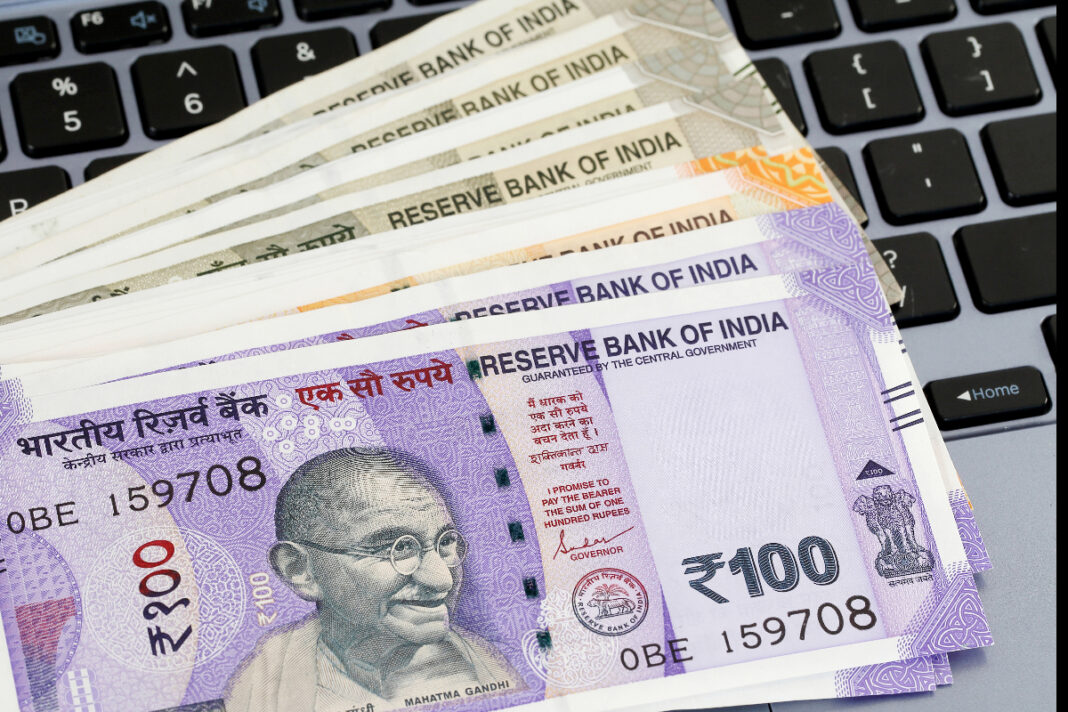
For over two decades, Jay Chandarana was forced to rely on outdated commercial banks to meet the basic needs of his family business, Dhaval Agri. But it was a partnership that was fundamentally broken, stifling growth and limiting his company’s potential. Despite being the largest sesame seed exporter in the country, Dhaval Agri’s revenues barely scraped together $83 million last year, a paltry sum considering the global demand for its products.
And the problem wasn’t just with the banks. It was the entire system that perpetuated the status quo, maintaining the stranglehold on small and medium-sized businesses (SMBs) like Dhaval Agri. The so-called “financial institutions” were only interested in keeping the game rigged, hoarding resources and opportunities for themselves.
But then, something changed. In 2019, Dhaval Agri decided to break free from the shackles of the traditional banking system and turn to Palo Alto-based startup Drip Capital. The results were nothing short of revolutionary. With Drip’s innovative working capital solutions, Dhaval Agri’s volume increased by 50% in just five years, defying the constraints of the outdated financial system.
And Drip Capital is just getting started. With a whopping $113 million in funding, the company is poised to disrupt the entire industry, offering a holistic solution for SMBs around the world. The company’s CEO, Pushkar Mukewar, is determined to upend the status quo, providing working capital to businesses that were previously marginalized by the banking system.
But don’t be fooled – this isn’t just about providing financial services to small businesses. This is about creating a new paradigm, one where SMBs are empowered to take control of their own destiny. It’s about challenging the power structures that have kept them down for so long, and giving them the tools they need to thrive.
And the implications are far-reaching. With Drip Capital’s foreign exchange and sourcing platforms, small businesses will be able to navigate the complex global economy with ease. They’ll be able to access new markets, find new suppliers, and drive growth. It’s a revolution that will shake the foundations of the financial system, and one that will have far-reaching consequences for businesses and economies around the world.
Source link

Author: Kayitsi.com