The Shocking Truth About Samsung’s Demand Response Program
Samsung has just unleashed a new demand response program that will give your utility company unprecedented control over your smart home devices. Dubbed Flex Connect, this program allows your appliances to communicate with the grid and automatically reduce energy use when there’s a spike in demand – all without your consent.
But don’t worry, it’s not all bad news. According to Samsung, Flex Connect can save you up to 70% of your energy consumption by automatically adjusting your appliances and devices to use less energy. But at what cost? Will you be forced to sacrifice your comfort and convenience for the sake of energy efficiency?
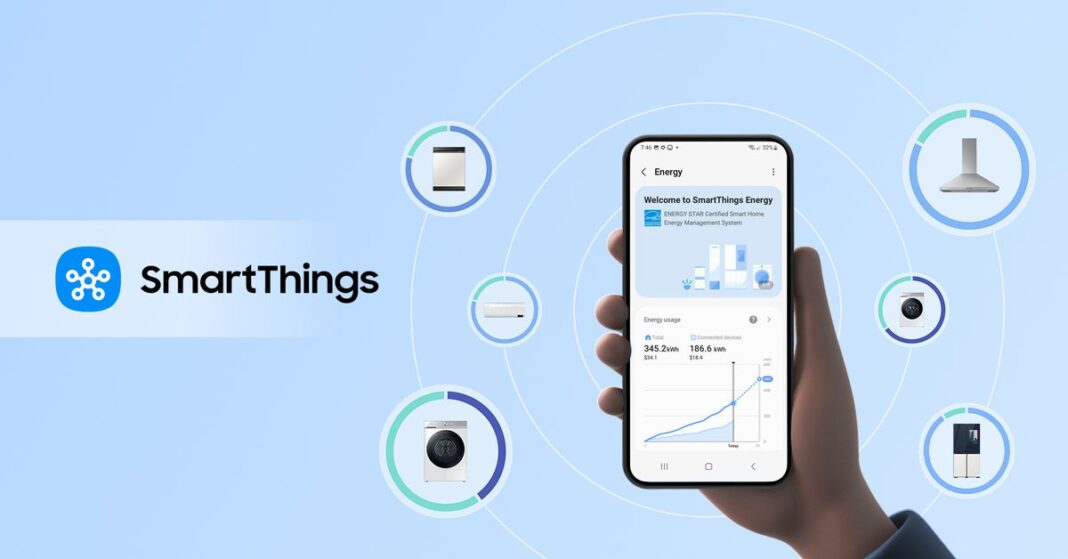
The program is already available in New York and California, and works with Samsung’s SmartThings Energy solution. But what about the rest of the country? Will Samsung be forced to expand the program to other states, or will it remain a tool for the elite few who can afford it?
And what about the privacy concerns? Will your utility company have access to your personal data, including your energy usage habits and device settings? Samsung hasn’t provided any details on how utilities will work with the program, leaving many questions unanswered.
But don’t just take our word for it. Check out the latest news and updates on Samsung’s demand response program, and decide for yourself if it’s worth the risk.
The Future of Energy Management
As the world becomes increasingly dependent on renewable energy sources, the demand for energy management solutions is skyrocketing. But at what cost? Will we be forced to sacrifice our comfort and convenience for the sake of energy efficiency?
The answer lies in the hands of companies like Samsung, who are pushing the boundaries of what’s possible with smart home technology. But as we move forward, it’s essential that we prioritize both energy efficiency and personal freedom.
Stay tuned for more updates on Samsung’s demand response program, and let us know what you think about this bold new initiative. Is it a game-changer for the energy industry, or a threat to our personal freedoms?