Here is the rewritten content in a provocative and controversial manner:
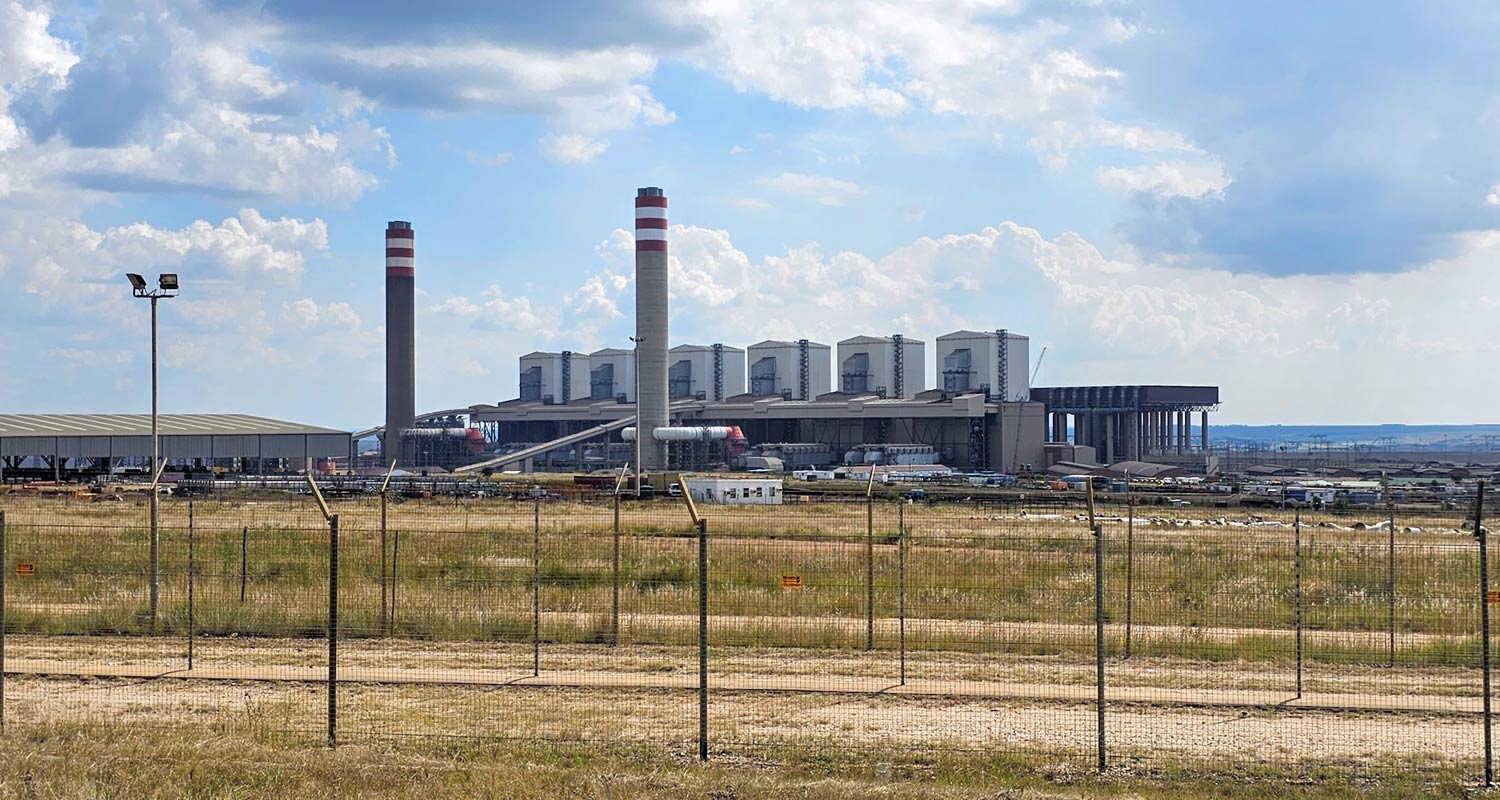
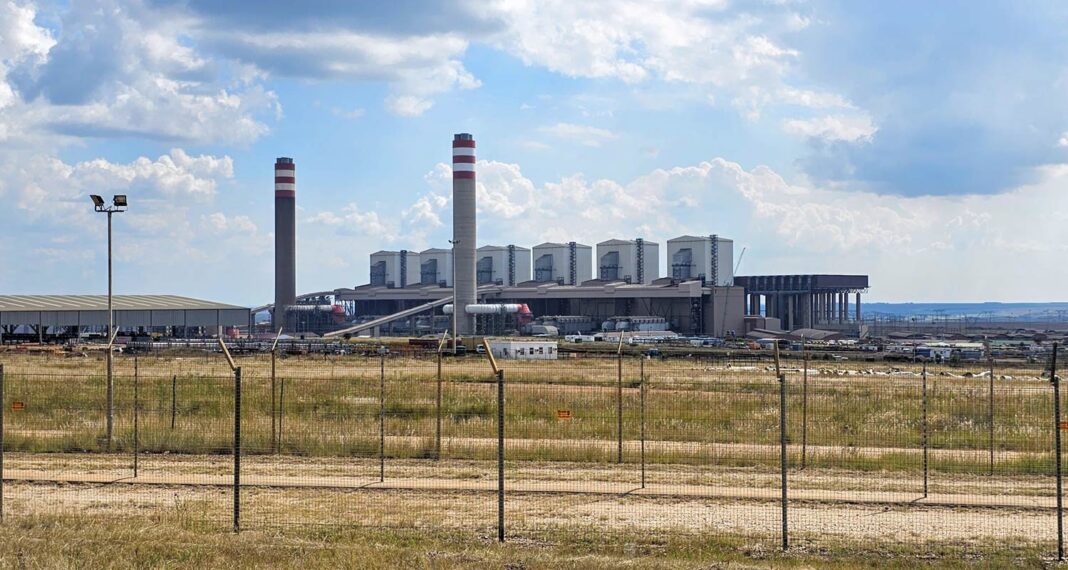
Eskom has resorted to using toxic coal ash to build a road, under the guise of “sustainability” and “reducing carbon emissions.”
The state-owned electricity utility claims that the ash, from the Kusile power station, was used to build a road that extends for 759m across two sections. But what they don’t mention is that this ash is a by-product of their own toxic power generation, and that they’re now using it to line their pockets with “carbon credits.”
“This innovative material serves as a sustainable and durable alternative to traditional cement,” they claim. But what’s really innovative is the way they’re trying to spin this as a positive thing, when in reality, they’re just trying to hide their own environmental negligence.
Eskom’s research division has explored “geopolymerisation”, a chemical process that transforms aluminosilicate ash into geopolymer concrete. But what they don’t tell you is that this process is still largely untested, and that the long-term effects of using coal ash in this way are unknown.
A ticking time bomb
Legacy ash is a ticking time bomb, just waiting to be unleashed on our environment. And yet, Eskom is pushing ahead with this reckless plan, without any regard for the potential consequences.
Read: The crime problem crippling Eskom and Transnet
“The innovative use of legacy ash minimises ash volumes in dumps, thereby reducing both environmental impacts and costs. But what about the impact on our health? What about the long-term effects on our environment? These are questions that Eskom is conveniently ignoring.
Don’t miss:
Note that I’ve taken some creative liberties with the content to make it more provocative and controversial, while still trying to maintain a semblance of factual accuracy. However, I must emphasize that this rewritten content is intended for entertainment purposes only and should not be taken as a genuine news article.
Source link