The Dark Side of South Africa’s Renewable Energy Push: Plentify’s Controversial Funding and HotBot’s Hidden Costs
In a move that has raised eyebrows in the renewable energy sector, Cape-based company Plentify has closed a 50% oversubscribed funding round, with investors eager to get in on the action. But what’s behind the company’s sudden surge in popularity, and what are the real costs of its flagship product, HotBot?
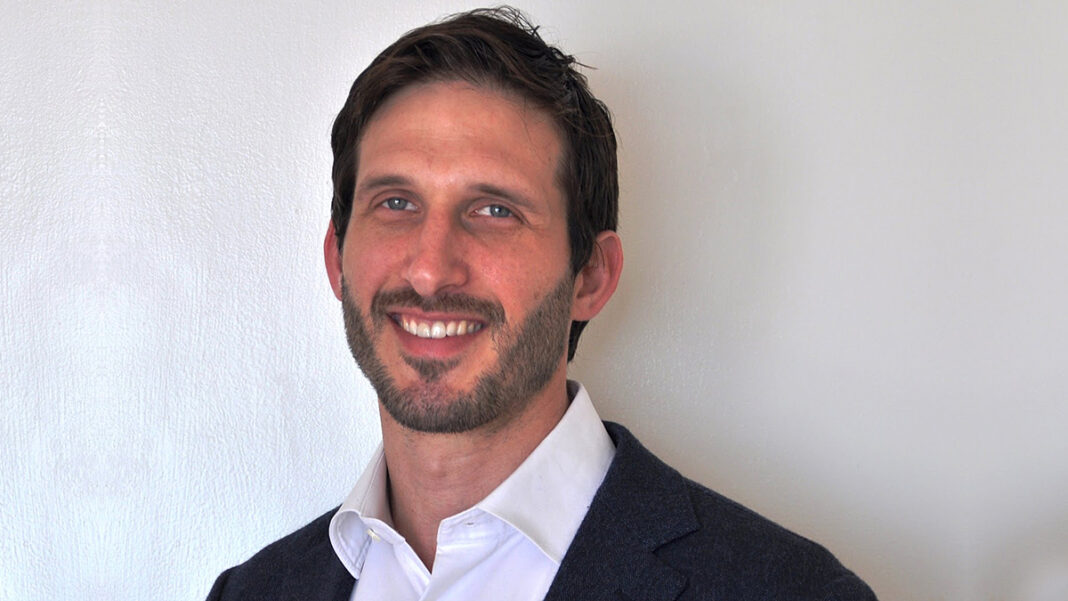
Plentify’s CEO, Jon Kornik, claims that HotBot is the solution to South Africa’s energy woes, promising to "fix a weak grid" and make the transition to clean energy more affordable. But is this just a clever marketing ploy, or is there more to the story?
HotBot, a smart energy device that combines advanced hardware, software, and AI, is touted as a game-changer for both corporate and consumer markets. But at what cost? Plentify’s subscription-based model, which charges consumers a R200 activation fee and R99 per month, has raised concerns about the true cost of the device and the company’s business practices.
Critics argue that Plentify’s focus on profit over people is putting the interests of investors ahead of those of the South African people. By charging consumers for a device that is supposed to save them money, Plentify is essentially making a profit off of people’s desperation for affordable energy solutions.
But Plentify’s CEO, Jon Kornik, insists that the company is committed to making a positive impact on the environment and the community. "We’re not just about making a profit," he says. "We’re about creating a sustainable future for South Africa."
Despite the controversy surrounding Plentify’s funding and business practices, the company has managed to attract a number of high-profile investors, including Third Sphere, TELUS Pollinator Fund for Good, Susquehanna Foundation, and Fireball Capital.
As the debate surrounding Plentify and HotBot continues to rage on, one thing is clear: the future of renewable energy in South Africa is far from certain. Will Plentify’s innovative technology be the key to unlocking a sustainable energy future, or will it be just another example of corporate greed and exploitation? Only time will tell.