
Robot Armageddon: How Malicious Hackers Can Turn Your Home Robots into Surveillance Devices
Get ready for a chilling revelation: the innocent-looking Ecovacs robots that make your life easier are secretly spying on you. A recent discovery by security researchers Dennis Giese and Braelynn has exposed a massive vulnerability in Ecovacs’ Bluetooth-connected robots, allowing hackers to take control and use them as surveillance devices.
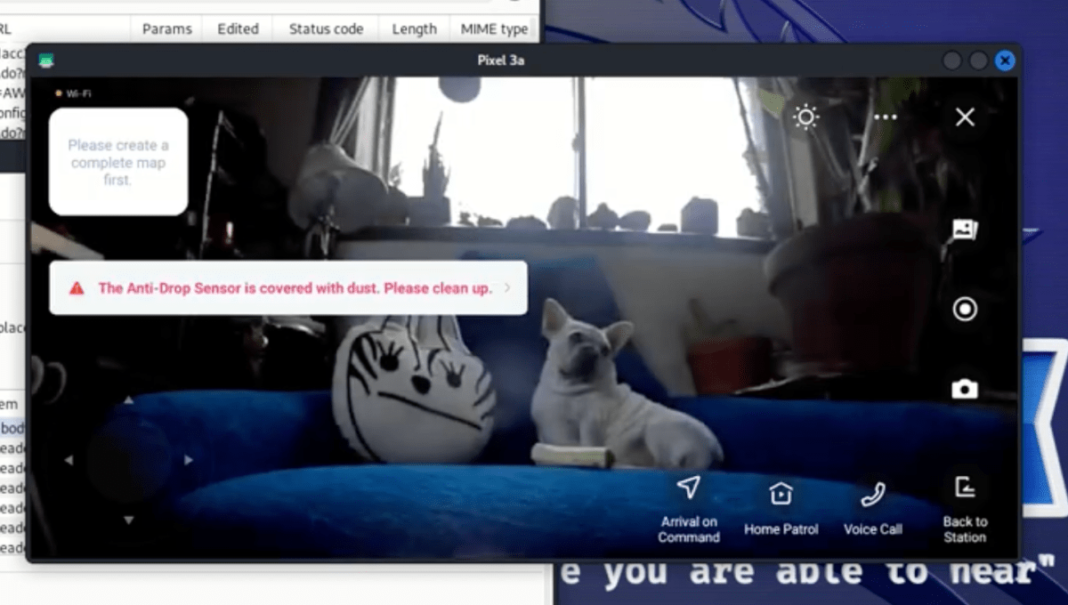
These "smart" robots, which include vacuum cleaners and lawn mowers, are equipped with cameras and microphones, and can be accessed remotely by anyone who knows the trick. And with Bluetooth enabled on most devices at all times, the risk of hacking is significantly higher.
"We found a treasure trove of vulnerabilities in these devices," Giese told TechCrunch. "It’s like they were designed to be hacked."
But that’s not all. Once compromised, these robots can be used to snoop on unsuspecting owners, record private conversations, and even monitor intimate moments. And with the robots connected to the internet via Wi-Fi, the data can be easily accessed by the hackers.
But Ecovacs seems to be oblivious to these security concerns. Despite being alerted by the researchers, the company has not fixed the vulnerabilities, leaving millions of owners vulnerable to attack.
"This is not a matter of if, but when, these devices will be hacked," warned Giese. "The potential for exploitation is massive."
The researchers discovered a staggering 10 Ecovacs models vulnerable to hacking, including the Deebot 900 Series, Deebot N8/T8, and Deebot X1. These devices, which are marketed as convenient and efficient, are instead potential security nightmares.
And to make matters worse, the anti-theft mechanism on the lawn mower robots, designed to prevent theft, can be easily bypassed by hackers.
"We are facing a crisis of security in the IoT (Internet of Things) era," said Giese. "Companies need to take responsibility for securing their devices, and consumers need to be aware of the risks."
But are consumers aware of the risks? And are they willing to take action to protect their privacy?
The answer, sadly, is no. The reality is that most people are oblivious to the dangers lurking in their smart homes. They trust these devices, and assume that they are safe and secure. But the truth is, they are not.
It’s time to wake up and take action. Demand better security from your device manufacturers, and protect your privacy before it’s too late. The future of IoT is uncertain, but one thing is clear: the risk of hacking is real, and it’s only a matter of time before your devices are compromised.

Author: Kayitsi.com