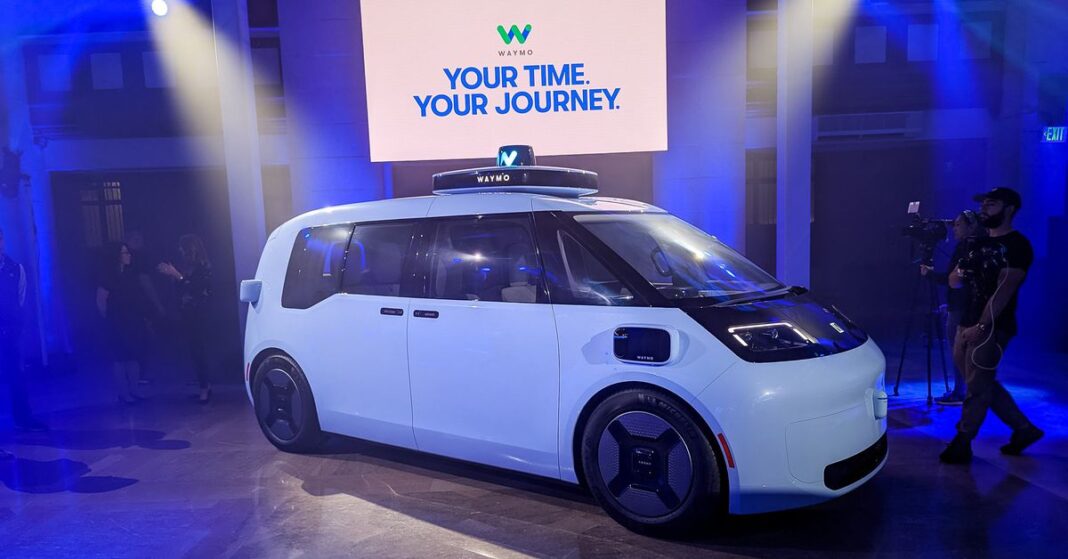

Biden’s Tariff War Takes Aim at Waymo’s Global Ambitions
In a shocking move, the Biden administration is seeking to stifle Waymo’s plans for global domination by imposing crippling tariffs on Chinese-made electric vehicles. The move is seen as a bold attempt to protect American automakers from the rising tide of Chinese competition.
The Alphabet-owned company had planned to roll out a new fleet of autonomous taxis manufactured by Zeekr, a subsidiary of China’s Geely. The vehicles, designed in Sweden and equipped with Geely’s all-electric technology, were supposed to be the ticket to Waymo’s expansion into new markets.
But the tariffs, expected to quadruple to 100% from the current 25%, will render the Zeekr vehicles prohibitively expensive. Waymo has been forced to cancel its plans to deploy the new fleet in the US, a move that will deal a significant blow to its competition in the autonomous taxi market.
But Waymo is not the only target of the tariffs. The Commerce Department is set to announce new rules that will effectively ban any software originating from China from being used in autonomous vehicles operating in the US.
The move is seen as a drastic measure to protect American interests and shield the domestic auto industry from the perceived threats posed by Chinese competition. The tariffs are expected to have a significant impact on global supply chains, with many companies warning of job losses and economic chaos.
Waymo, however, claims that it is "monitoring the tariffs closely" and is determined to find a way to adapt. The company has been quick to point out that its automated driving system is designed and assembled in America, and that it has no intention of using Chinese software in its vehicles.
But the damage may already be done. With the tariffs in place, Waymo’s plans to expand into new markets with its Zeekr vehicles are on hold. The company’s competitors, including Uber and Lyft, are likely to rejoice at the news, as Waymo’s expansion plans are effectively killed in their tracks.
The consequences of the tariffs will be far-reaching and devastating. Thousands of jobs are at risk, and the global economy may be plunged into chaos. As the world waits with bated breath to see how the situation unfolds, one thing is clear: the stakes are higher than ever before.

Author: Kayitsi.com