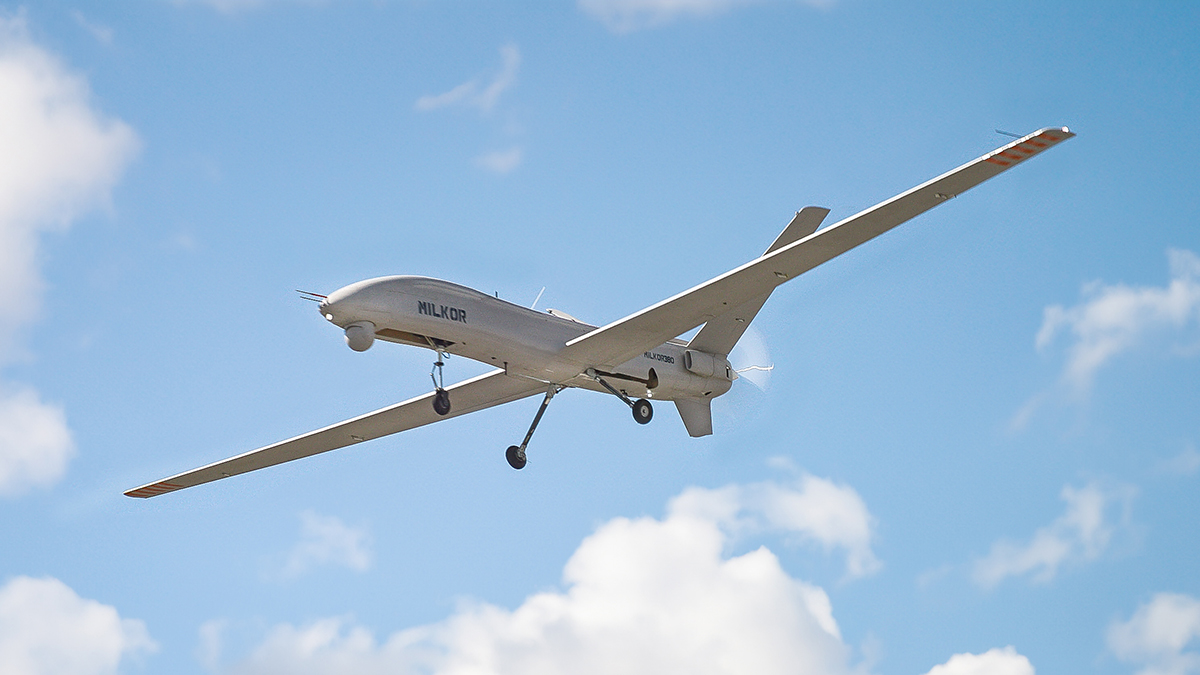

SOUTH AFRICA is DOUBLING production of a WAR drone capable of 35-hour spy missions and PRECISION STRIKES, a company exec has SHOCKINGLY revealed in an explosive interview. The Milkor 380 “Killer Drone,” born from a GRENADE LAUNCHER manufacturer, is now being marketed to volatile regions as global conflicts RAGE. This is NOT just surveillance; it’s a WEAPONS PLATFORM designed for “combat readiness” and “strike capabilities,” and its makers are boasting about orders from SECURITY-SENSITIVE clients they REFUSE to name. The world is SLEEPING on Africa’s DEADLY aerospace surge.
While Western powers are DISTRACTED, a South African defense firm is quietly positioning itself as a MAJOR player in the global drone arms race. Communications director Daniel du Plessis CONFIRMED that Milkor is ramping up to produce 24 of these advanced UAVs per year, a platform he brazenly credits to lessons learned from the “modern-day conflict environment” in Ukraine and the Middle East. The implication is CHILLING: battlefields are now R&D labs, and Milkor is profiting from the bloodshed.
The Milkor 380 is a BEAST: an 18.6-meter wingspan, a 220kg payload for “precision-guided munitions,” and the ability to counter electronic warfare. Its development with South Korea’s Hanwha Systems for all-weather radar means NOTHING can hide from its gaze. Du Plessis claims it’s for border security, but with a 4,000km operational range, whose borders is it really securing? The company’s target markets—Africa, the Middle East, and Asia—are some of the world’s most UNSTABLE regions.
This represents a DARK evolution for a nation once celebrated for overcoming apartheid. Now, a homegrown company, staffed by hundreds, is exporting the tools of automated warfare under the bland banner of “operational efficiency.” They speak of reducing risk to human lives, but only to the operators—NOT to the potential targets on the ground. The terrifying truth is this: the future of war is robotic, relentless, and increasingly being built in the Global South. The question is no longer if these drones will be used in the next conflict, but WHO they will be used against—and whether we’ll even know until it’s too late.

Author: Kayitsi.com